
Ubisoft Philippines: A Studio Ready for Bigger Things

Last week I was invited to tour Ubisoft Philippines’ Bonifacio Global City studio and was given insight into the Filipino team’s significant contributions to the recently released Assassin’s Creed: Black Flag Resynced, a game I thoroughly enjoyed revisiting through a now-modernized lens.
I knew that this team was responsible for the game’s Harpooning side activity, the forts you get to conquer with the Jackdaw, as well as recreating key locations like Kingston. I wasn’t aware of how much responsibility and ownership this team had for this project.
“Ownership” was a word that was used quite often in their presentation during the studio tour. Before they highlighted their work on Black Flag Resynced, we were given insight into the studio’s humble beginnings on the De La Salle University campus in Santa Rosa, Laguna, cramped in small spaces, simply making a mark in the Ubisoft ecosystem while trying to attract the amazing talent growing in the Philippines.
10 Years Strong
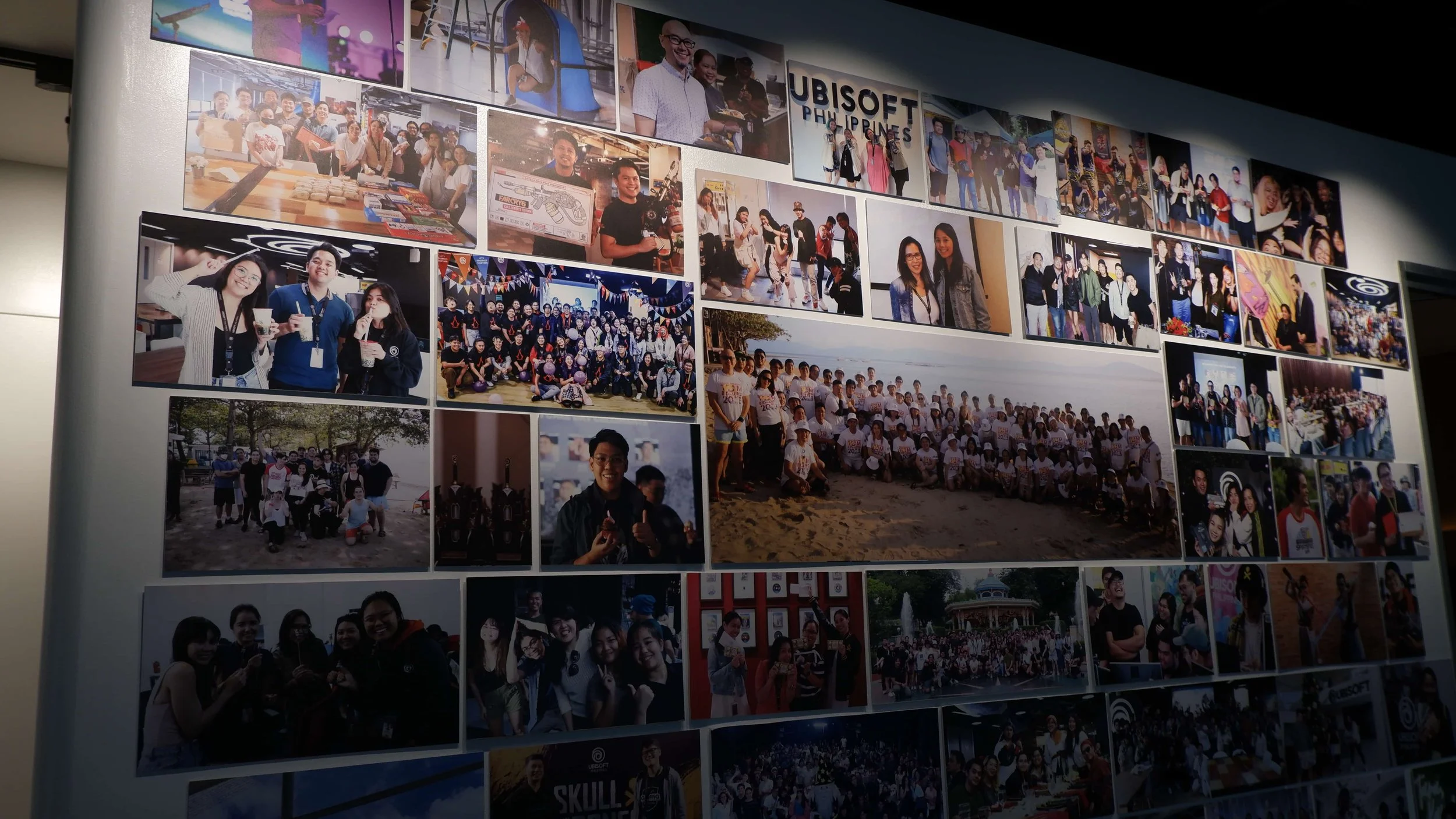
This is Ubisoft Philippines’ 10th anniversary since the studio was established, and for as long as I can remember, the studio’s main focus was all about talent acquisition and talent growth. When they made an appearance at video game conventions, featuring their games wasn’t the goal; it was to attract future employees for the company and its newly formed studio at the time.
I asked what their biggest turning point was, and Ubisoft Philippines’ Jam Gatan shared that one of the biggest indicators was seeing the growth of new hires through the years, with associate leads who came into the studio as mere interns and Lead Artists who came in as fresh graduates.
“The first five years was really about building the team; the last five years, growth has become about growing the team’s capabilities,” says Jam Gatan, Ubisoft Philippines’ HR Manager for Talent Management.
It was clear that the tour wanted to point out the emphasis on fun in their work culture, with a workspace that feels like it’s a place where future developers can thrive, which is rare in the Philippines as studios aren’t as abundant as in other countries.
When you enter the studio, you are greeted with their recent artwork and a display of the projects the studio was involved in. Further in, you see their accolades as a company, then arcade stations featuring various video games from Tekken to other titles. We then see board games displayed, a popcorn machine, and art created by their local artists giving Ubisoft the Filipino touch. They even have a hidden meeting room, which can be accessed by pulling the right object that serves as the room’s door.
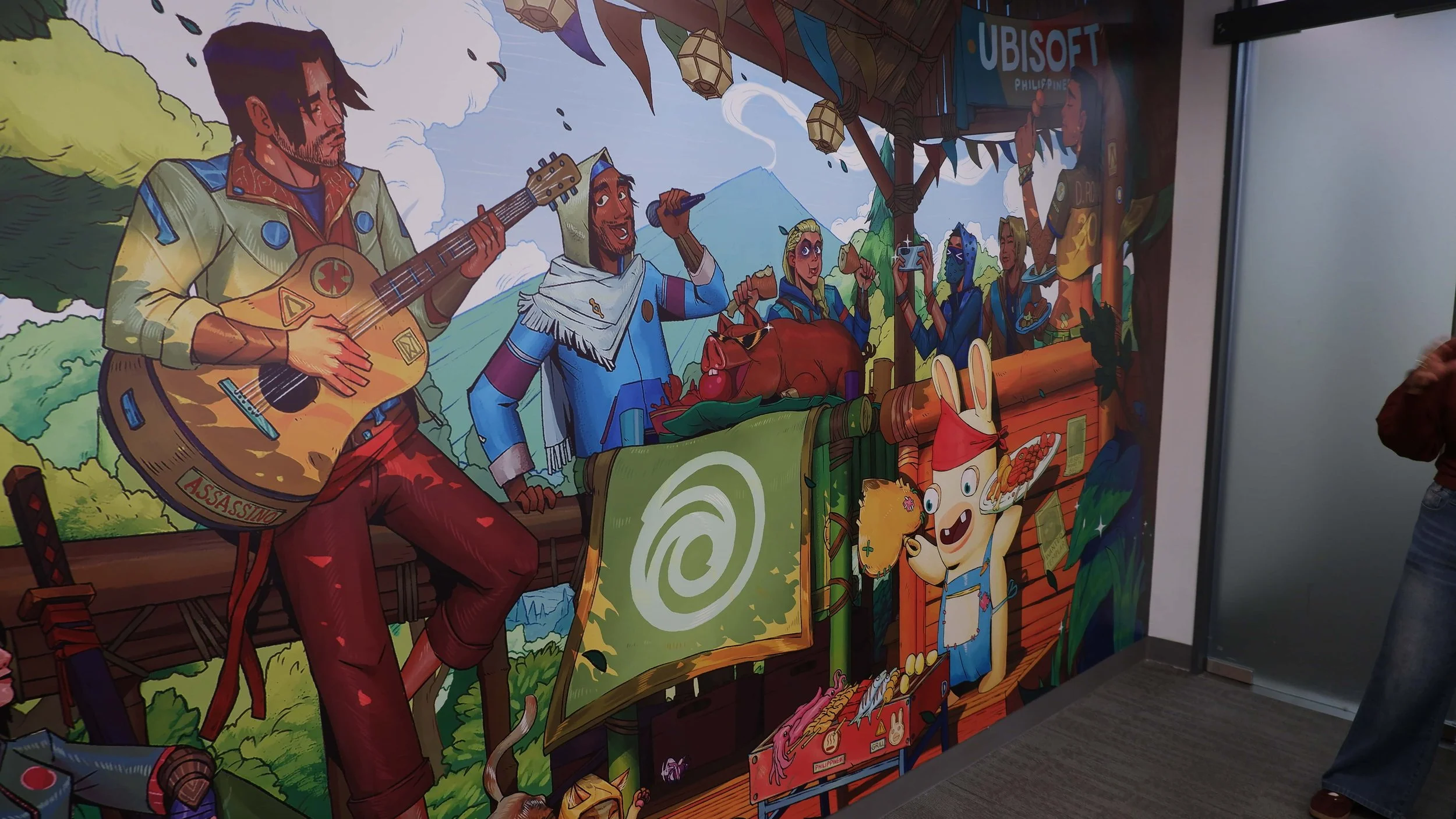
An artwork done by an artist in the team giving a Filipino touch to Ubisoft.
Welfare activities like outdoor company outings, the usual insurance offers, and leaves that allow developers to be given time to take care of themselves when needed were also highlighted. There are also opportunities such as going overseas to visit other Ubisoft studios, simply giving local talent exposure to foreign processes in game development.
With 10 years now behind them, that focus on talent acquisition has shifted naturally as the studio grew. They are always open to finding newer talent, but now they are seeing the fruits of their labor, as Ubisoft Philippines feels equipped with a team that can handle bigger tasks. Black Flag Resynced is a clear indicator of this.
The Meaning of Ownership
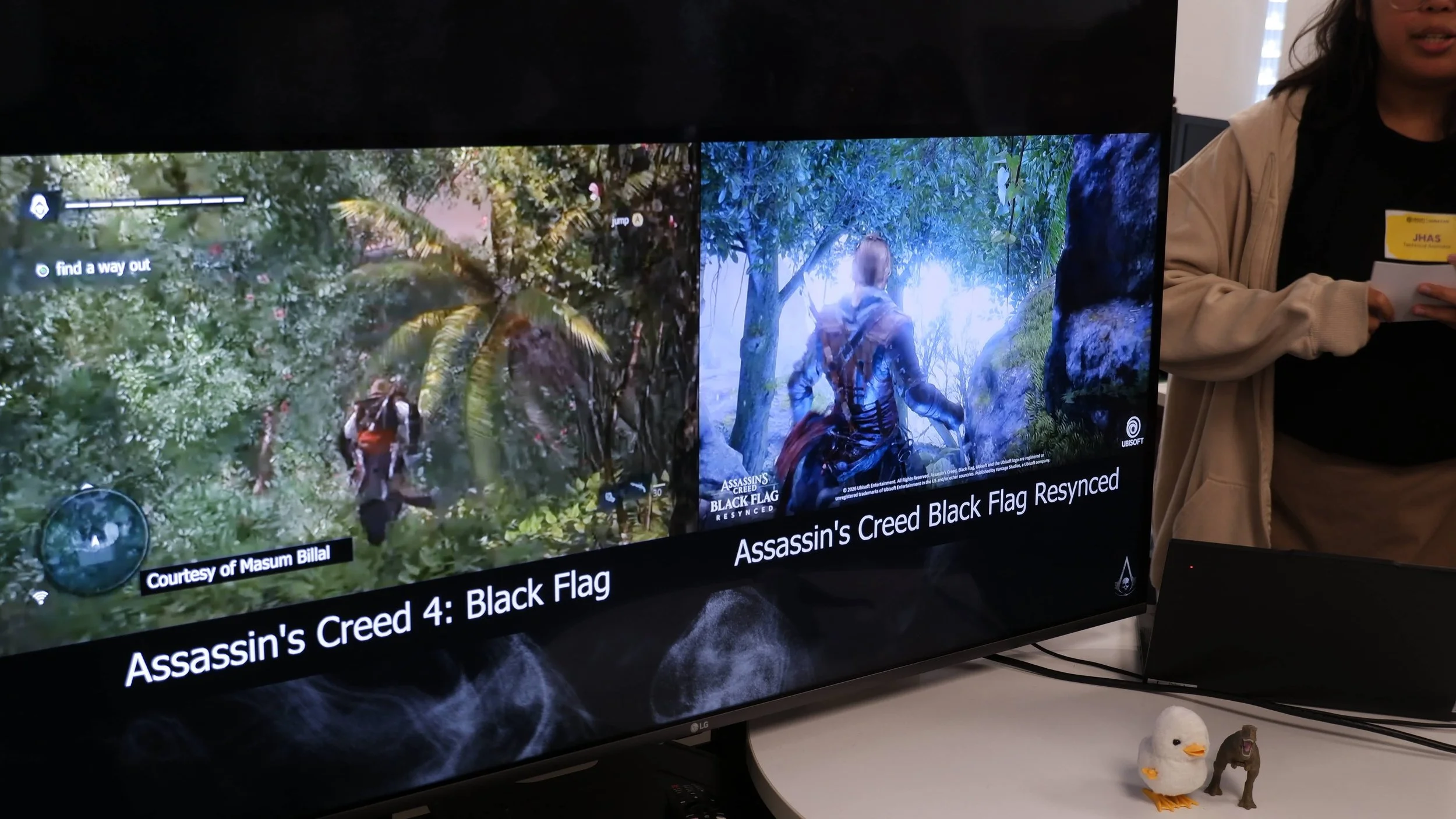
Black Flag Resynced is the studio’s 13th project, but this one is extra special as they had significant creative ownership over multiple features. While the broad strokes are universally agreed upon by each of the teams involved, Ubisoft Philippines was encouraged to share ideas and suggest ways to improve its assigned areas. It’s not just asset creation and implementation; the team was involved in pretty much all aspects of the particular parts of the game they were responsible for.
Kingston, a major city in Black Flag, was modernized by the Filipino team. And it wasn’t just the look and feel, as the team worked on mission quests, enemy pathing, and all manner of object placement to make parkour as smooth as the rest of the game. One developer even joked about how he played the same mission hundreds of times during development. Even applying the look of each NPC in the game to the guns Edward uses was handcrafted in the Philippines.
The studio’s audio team also contributed to the game’s sound, like gunshots. The team shared with us a video showing Ubisoft Philippines and Ubisoft Singapore, the lead studio on Black Flag Resynced, collaborating in Cebu, Philippines, to record gunshots for the remake.
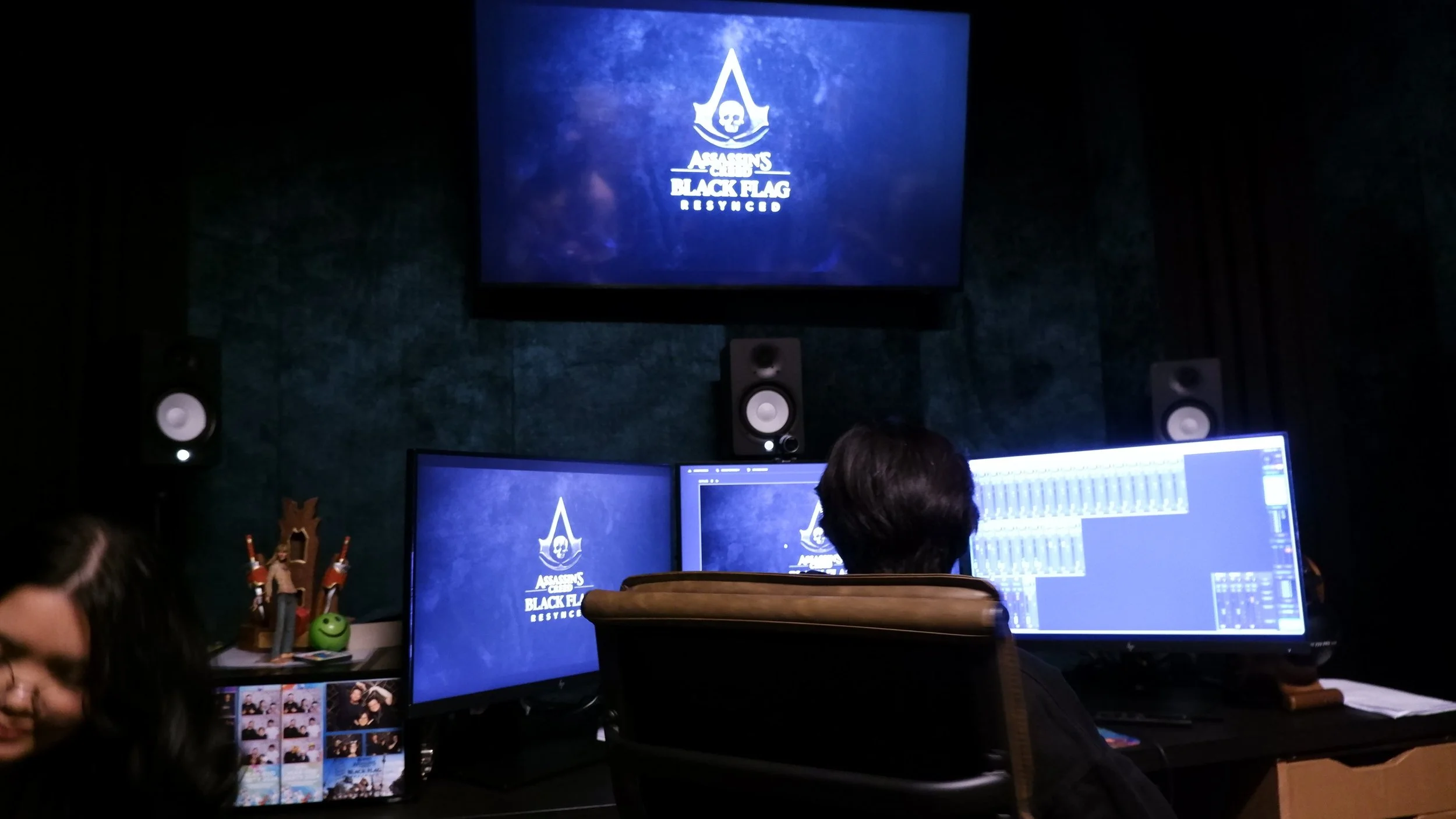
Ubisoft Philippines’ audio room
Triple-A titles from Ubisoft like Black Flag Resynced were always a multi-studio effort. With Ubisoft studios found in different parts of the world, it’s no secret that different teams collaborate to develop a game. I just wasn’t aware that, in this particular project, entire sections could be handled by one studio, which felt daunting from a managerial perspective. With a process like this, it feels like consistency is key to success, and based on what I played in Black Flag, inconsistency wasn’t felt during my time with the remake.
But it felt like the team was given room to be creative. With a multi-studio project, a blueprint is likely set in place: a vision for how the remake was going to be built. Within their assigned sections, Ubisoft Philippines was able to contribute ideas on how to approach specific tasks and develop certain aspects of the game.
The section of the tour where they explained the changes made to the Harpoon side activity showed that their role was beyond modernizing the feature. The team went into detail on how the animals would react when speared by Edward, how the boat would move, and so on.
This was also true with how they tackled the forts in the game, applying a bit of detail and touch by allowing Edward’s men to be part of the raiding party, and even expanding the fort battles to go beyond what was originally present in the original game. The animation team also showed how they were responsible for certain animation sequences, showing us a behind-the-scenes video of local developers acting out a certain choreographed attack, then using that as a reference point when modernizing one of Black Flag’s major boss encounters.
It didn’t feel like Ubisoft Philippines was simply brought in to support the vision of the remake; they were given the opportunity to be part of the creative conversation.
“We Want to Carve a Niche for Ourselves”
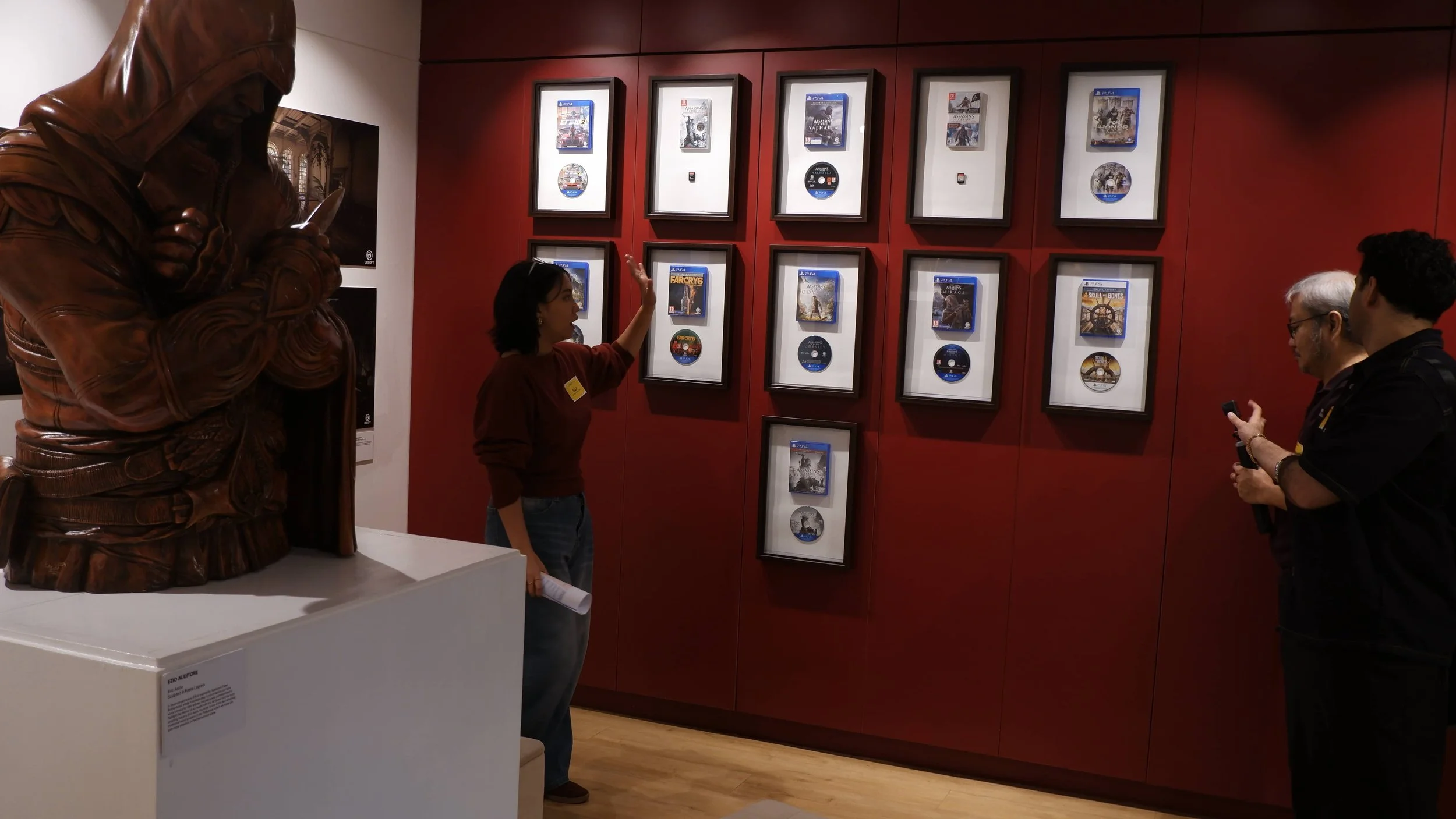
I asked what they hoped to achieve in the next 10 years, and studio manager Sashi Menon answered by saying they want to carve their own niche. I was joking about whether the ambition in the future is to lead a project, but their answer felt more reasonable: to find the studio’s specialty and own it. Each studio within the Ubisoft ecosystem has its own set of specialties, and finding that niche for the 10-year-old studio feels like a reachable target in their current position. With Black Flag Resynced, it feels like another major step for this studio to find that niche, as they were thrown into new territory and succeeded in delivering what was expected with such a project.
I asked some developers what they were working on today and was given a safe answer that didn’t result in much besides a small chuckle between me and those present. That reply was expected, as I wanted to throw a curveball during the interview. As I roamed the studio floor, I didn’t see actual development going on during my visit, which makes sense, as you don’t want foreign eyes looking at their current work.
But growth was clearly presented during the tour. Just like Black Flag Resynced, the Ubisoft Philippines local development team was built from scratch and nurtured into what feels like a respectable studio that could earn further responsibilities and ownership in projects in the coming years. It has always been clear as day that talent in the Philippines for any form of video game development work is present; Filipinos just need the opportunity to thrive in this vicious industry, and Ubisoft Philippines is doing just that.
About the Author - Carlos Hernandez
Carlos Hernandez is the founder and Editor-in-Chief of Too Much Gaming, where he writes about video games, reviews, and industry news. A lifelong gamer, he would do anything to experience Final Fantasy Tactics for the first time again and has a love/hate relationship with games that require hunting for new gear to improve your character.
Marvel’s Wolverine is a solid video game, and I enjoyed my time with it, but I left wanting more from both the game and the character. It succeeds at making you feel like Wolverine, even if the game surrounding that fantasy isn't always as compelling.