
The Filipino side of Assassin’s Creed Black Flag Resynced
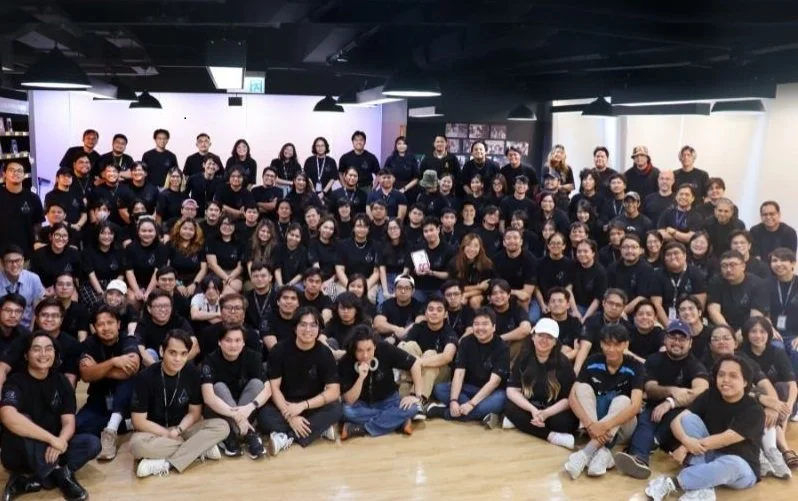
For Ubisoft Philippines based in Metro Manila, Assassin's Creed Black Flag Resynced was their chance to take full ownership of key sections of the game, and show what the team is capable of. They did just that and it's still hard to believe that parts of a game I just played recently were built in the same city I reside in.
It must have been an exciting time for the team, learning they'd have such a heavy hand in a title fans consider one of the franchise's best. When I finished the game, I was first met with the names of the Ubisoft Philippines team, quickly making me realize that they had a bigger role in this project, and based on what Ubisoft shared with us, it's true.
Led by Ubisoft Singapore, Black Flag Resynced is a remake of the classic 2013 title during the era of yearly Assassin’s Creed releases, and Black Flag is a clear fan favorite, which makes the remake an obvious choice when announced. It’s a joint effort as Ubisoft studios from Barcelona, Belgrade, Bordeaux, Bucharest, Chengdu, Da Nang, India, Kyiv, Montpellier, Montreal, Quebec, Shanghai, Sofia, and of course the Philippines.
Ubisoft Philippines contributions to the Resync
In the Philippines side, the project was led by Associate Producer Alfonse Angliongto, and has marked this as the studio’s largest undertaking for the team.
“Our fans come first. Before working on Resynced, we looked at all the fan feedback and suggestions to see what parts of the game that they liked and the parts that needed improvement. We spent a good chunk of time reading through online forums, watching game reviews and fan walkthroughs to understand what the players enjoy in Black Flag,” said JP Tan, Art Director of Ubisoft Philippines and a developer in the original title.
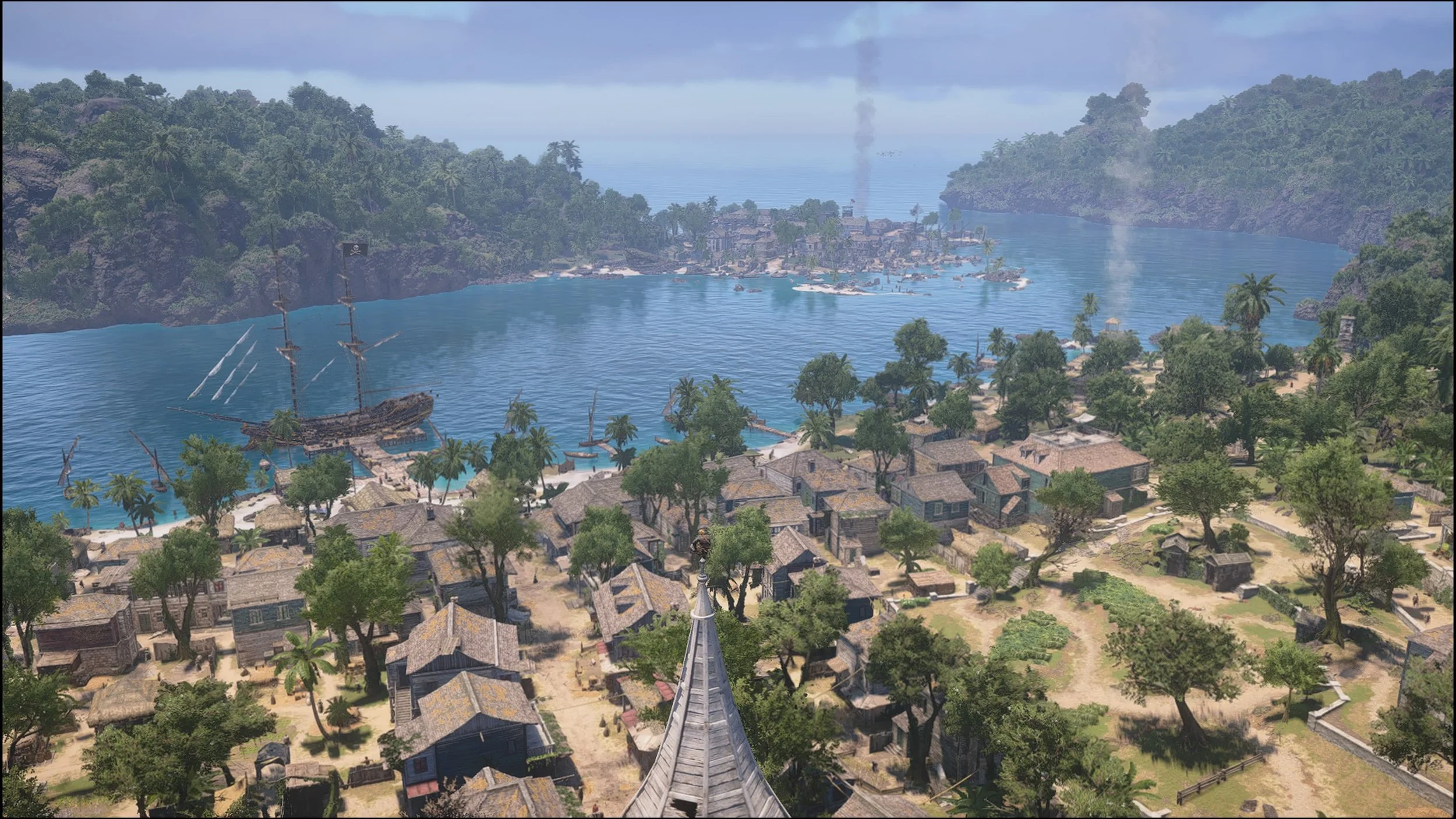
What was the focus for team Philippines? They shared their talents to help recreate key locations across the game, reimagining Kingston, Port Royale, Long Bay, and other iconic settings central to major quests.
“Looking back at the time when we worked on the original Black Flag, the art direction pillars were to introduce the vibrancy of the Caribbean and to showcase the grittier side of the pirate's life. Fast forward to today, we wanted to be faithful to those original intentions together with the modern advancements of the Anvil engine,” Tan further explained.
There were limitations the original team faced back in 2013 as certain tech wasn’t simply there yet at the time as limited hardware support and technical constraints making it difficult to implement certain features in the game’s scale.
Not in today’s world as visual fidelity and animation have greatly improved without sacrificing performance, especially when it comes to building living and believable worlds. More accurate lighting, shadows, and indirect illumination are now possible, with visual fidelity also improved and sustained even in long viewing distances. As players explore populated areas like Kingston, the team recreated the city to make it feel like those that reside are going about their daily routines while enhancing the look and feel of the environment, plus the audio that completes the immersion.
Another focus for the team are the forts scattered around the Caribbean.
“In the original, the Fort side activity ended once a fort is captured. In the remake, we enhanced player expression and the narrative aspects to give players a more satisfying conclusion for the gameplay loop. In the original, Edward easily opens the Fort's war room, and the commander raises his arms in surrender, waiting for Edward to deal the killing blow.
In the remake, we fleshed out the narrative with the Fort Commander barricading himself in the war room. Edward's crew now helps him force the war room door open, after which, the Fort Commander would hurl threats and attack Edward and his crew as a final act of defiance. After going through all this, the player will be rewarded by seeing the crew celebrating and looting. This communicates to the player that they did something that affected the world,” says Choogs Tan, Lead Game Designer for the Philippines team.
Another section the studio was responsible for was the game’s harpooning segments, where Edward and his crew go shark hunting by throwing harpoons at the creatures.
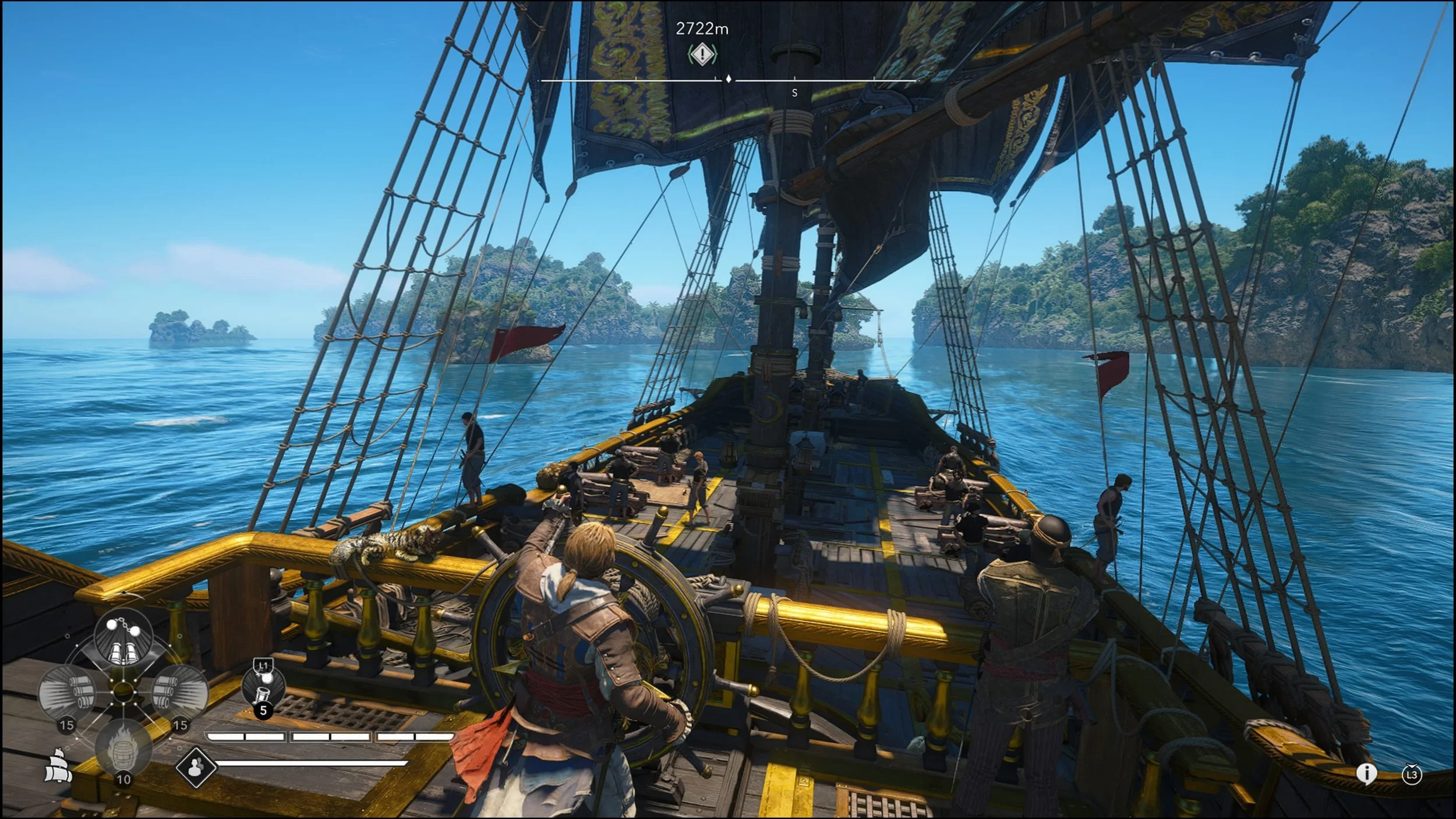
“We wanted Harpooning to be more physics driven. In the original, once the harpoon hits the target, the rope is immediately taut until you capture the animal or the rope breaks. In the remake, it responds dynamically to player input and movement: when you aim the harpoon, when it’s thrown, when it hits the target, when the boat moves closer or farther. It seems very simple, but there’s a lot of things happening to make it just right.” says Lead Programmer Dennis Li.
Quality Assurance (QA) was also another part of the development process they contributed, as the team ensured that the remake remained true to the spirit of the original Black Flag. Doing quality assurance in this project wasn’t their first experience with the franchise as the studio has contributed to the franchise as far back as Assassin’s Creed 3 Remastered.
“The most memorable moments were the bugs that became memes, and the memes that became milestone markers. Because as we laughed at the absurdity of the bugs we hunted, those moments would eventually become reminders of how far we'd come, milestone after milestone,” shared Joven Falcon, who led the QA team into setting a high bar for release quality.
The team has some expertise when it comes to assisting in the development of an Assassin’s Creed title as Black Flag Resynced marks the eighth title Ubisoft Philippines has contributed to so far.
Ubisoft Philippines is now 10 years strong
Ubisoft Philippines has contributed to 13 AAA titles since its establishment in 2016, and is currently celebrating its 10th anniversary. A fitting year for the Philippine team as they closed an important project that highlights where they are as a studio within Ubisoft’s global collaboration among their many studios.
The growth of the studio is a sight to behold. Years ago, when Ubisoft found their footing in the country, you’ll see the company make appearances on the country’s biggest local video game conventions, but their focus wasn’t to highlight the company’s most recent games, they were there to tell the community that they are looking for talent.
Cultivating and finding talent was always the focus whenever I spoke to them. Years later, it’s good to see those efforts resulted in unique opportunities for Filipinos who entered their fold, as it’s rare for Filipinos to have an opportunity of contributing to big projects like Black Flag without leaving the country, and it’s good to see that despite the ups and downs of the industry as a whole Ubisoft Philippines continues to welcome new talent to their BGC, Taguig studio.
Curious on what I thought on Assassin’s Creed Black Flag Resynced? Read on as to why I gave it a 4/5. The remake is now available on PS5, Xbox Series X|S, and PC.
About the Author - Carlos Hernandez
Carlos Hernandez is the founder and Editor-in-Chief of Too Much Gaming, where he writes about video games, reviews, and industry news. A lifelong gamer, he would do anything to experience Final Fantasy Tactics for the first time again and has a love/hate relationship with games that require hunting for new gear to improve your character.
The amount of effort seen here gives me hope for Capcom’s future attempts at reviving classic titles, as Onimusha: Way of the Sword, the latest title of the once dormant classic franchise, comes back in the best way possible as it very well might be my game of the year contender.