
The Blood of the Dawnwalker Review - A Promising Vampire RPG
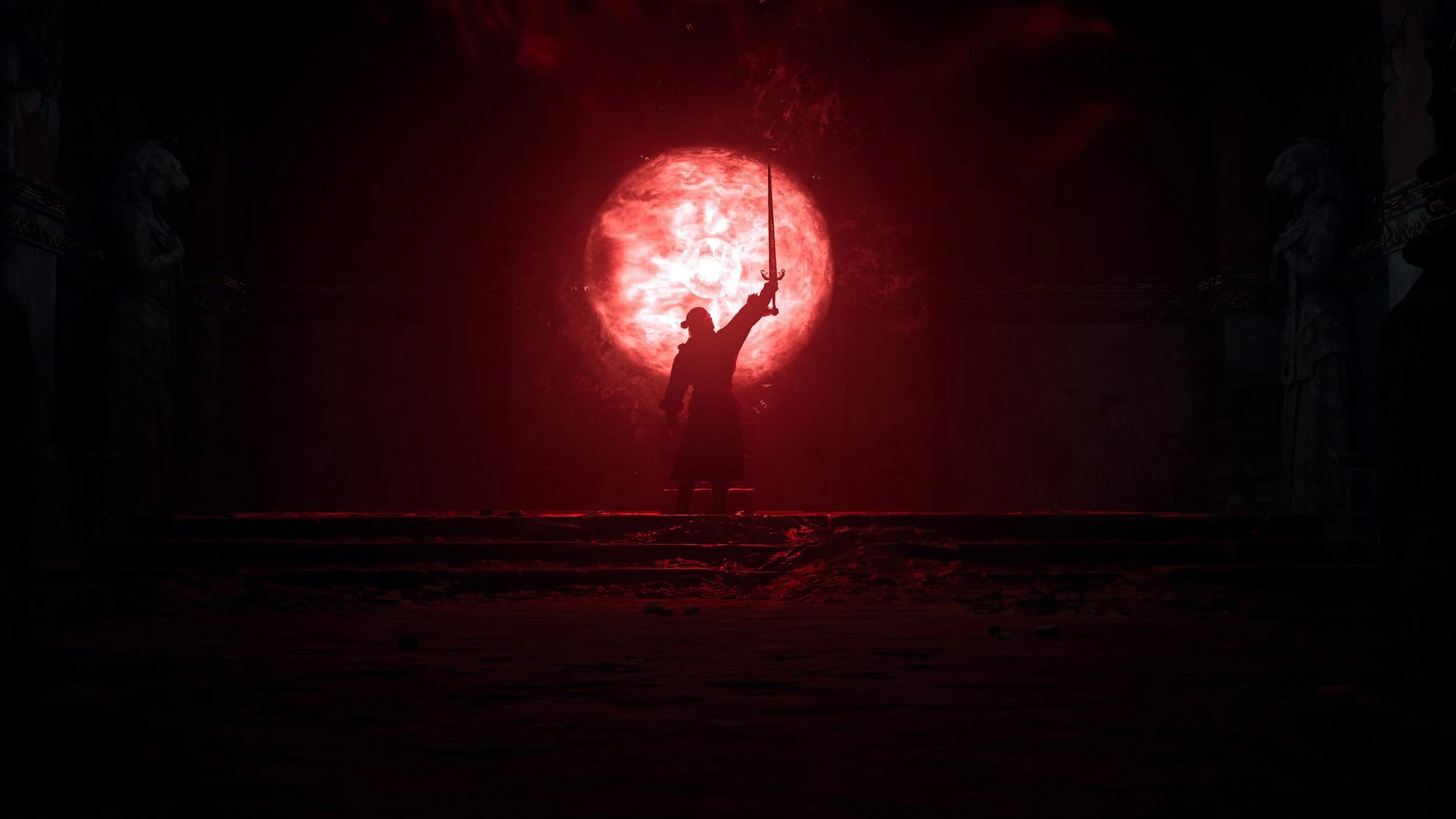
Developer Rebel Wolves is a new studio run by Witcher 3 veterans, and they have released an impressive new IP that could be the next big open-world series for years to come. With their first release, Blood of the Dawnwalker, they’ve established a familiar yet inviting dark high-fantasy world inlaid with gameplay systems that stand out among the action-RPG pack. While it does have its setbacks, the overall product was a solid first impression that left me itching for more.
You play as Coen, a young man from a big family struggling with the effects of the Black Plague sweeping the region. When one of his siblings is affected, the family is spared the usual process employed by their society to handle those afflicted with the incurable disease. The catch? Their saviors are a court of vampires that have overthrown those who rule the nearby region. Acting as the community’s “saviors”, they’re abusing their newfound position of power.
A world where Vampires Rule, and You Get to Bring it All Down
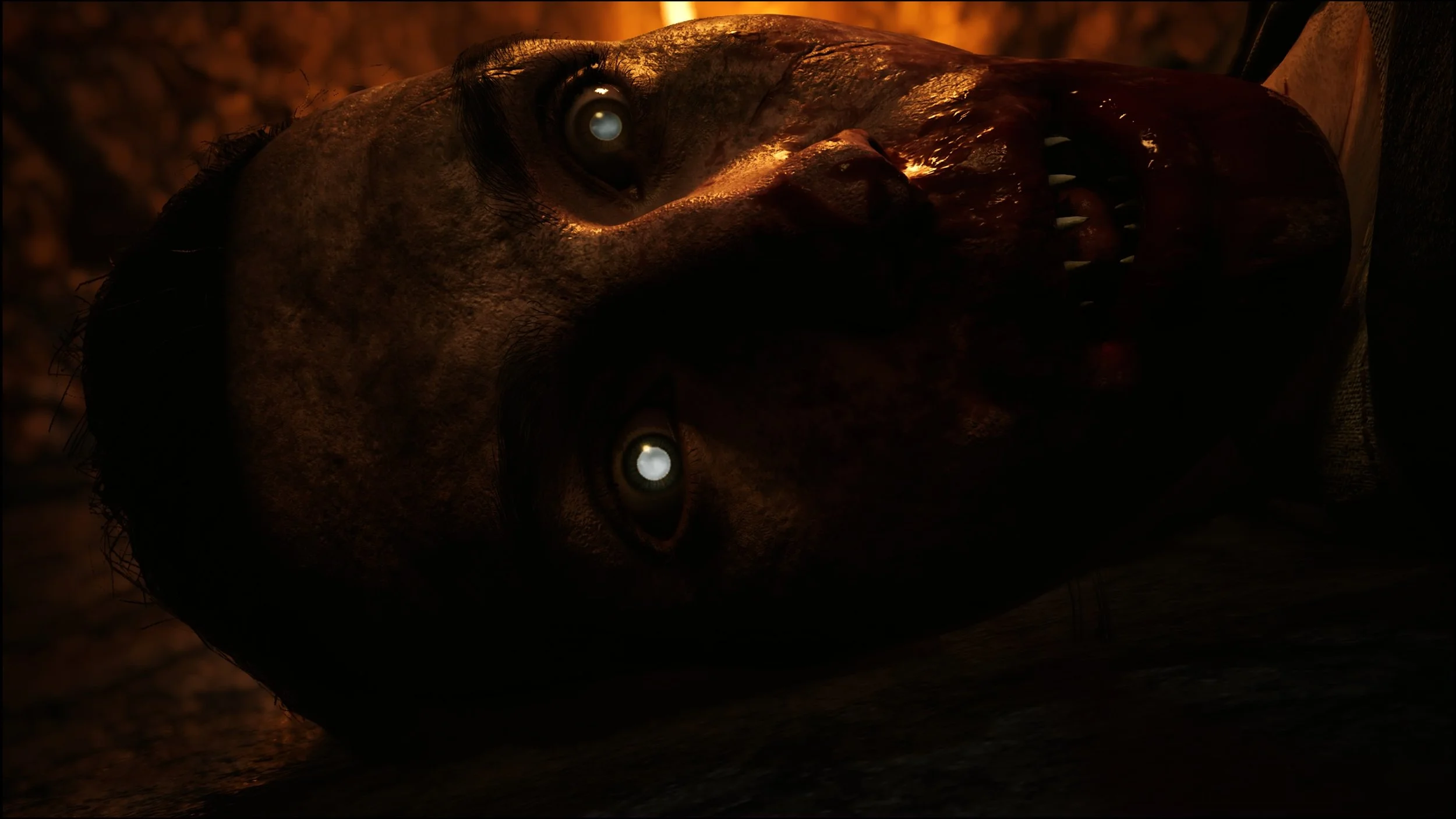
These events eventually lead to the protagonist being turned into a vampire, but not the usual kind. Instead, he becomes a dawnwalker, a vampire capable of walking in broad daylight, as his vampiric side only shows during the night.
The first hours of the game may feel drawn out, but they’re also essential as they establish the stakes and the rules of the playing field. The tension between the vampire rulers and those under them, along with their oppression of the humans living here, has built a powder keg just waiting to burst at a moment's notice. Being a dawnwalker makes you the monkey wrench in the operation run by Brancis and his loyal vampire companions, who happen to control certain sections of the region.
This is a world where vampires are known, and creatures like big poisonous lizards and supernatural beings like ghosts or wisps are something you might come across if you plan on taking a stroll through a nearby swamp. Witchcraft is practiced, communicating with the dead is possible, and you can roam the countryside at superhuman speeds through mountainous terrain and deep forests, which are unfortunately populated by thugs, soldiers, and a lot of hostile wolves and boars.
Blood of the Dawnwalker becomes an open-world game about dismantling an operation that’s been established over months, weakening the vampiric hold on the area until you're eventually strong and lethal enough to face the leader head-on. It reminded me a bit of how Ubisoft handles recent Far Cry titles, but the way the day-and-night cycle works in this game puts it on a completely different playing field.
The main objective of the game is to save your family, who have been captured by Brancis's group, and you have 30 days to do so. Coen doesn't sleep at all during the game, as each activity or questline advances in-game time by a small amount, bringing you closer to the point when Coen's family meets their unfortunate demise.
The idea of the overall game being weighed down by a time limit might sound daunting to some, and it may even be a turn-off for open-world completionists, but it genuinely enriched player choice for me during my 30-hour playthrough. Side activities can be a waste of time, while side quests can be hit or miss depending on how it resonates with the player. I've had experiences that felt like padding, while others were worth the effort. You even let time pass when spending skill points, which I found rather odd.
It wasn't that painful, as I approached the first half of the game without necessarily thinking too much about how to optimize the limited amount of time I had available. I just did what felt right, explored a cave, saved a few villagers who were being attacked, or followed a group of wisps that led me to a unique situation. I acted like it was any other open-world game.
A 30-Day Deadline That Makes Every Choice Important
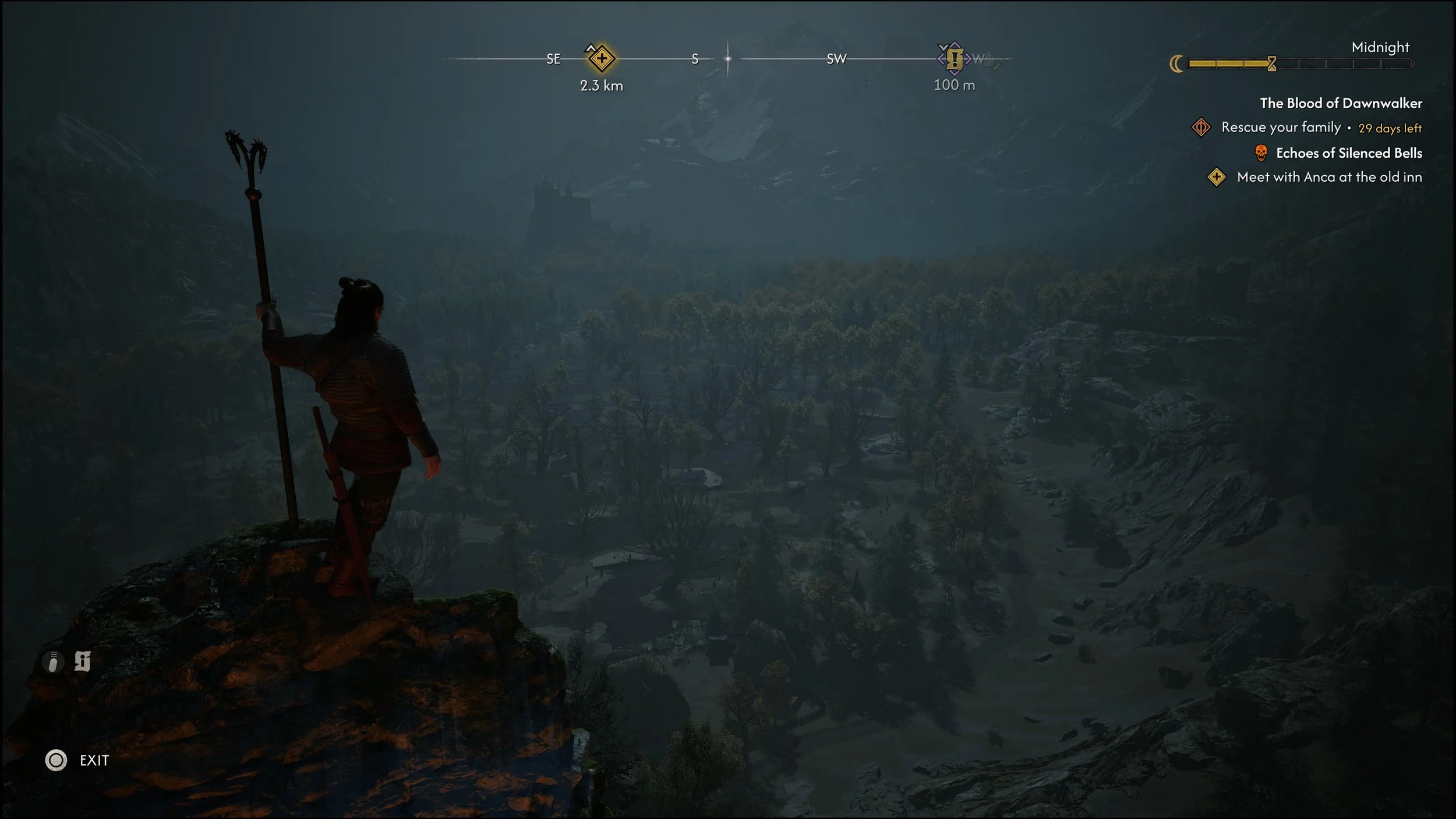
But the moment I reached the point where I had just 15 days to go, the pressure became much more noticeable. I was halfway through the 30 days, and staring down this huge map still filled with potential activities. I started to pay closer attention, literally picking my battles and planning when to do a quest, as some are only available during the night or day and require a specific amount of time to complete.
The worst thing is that as you progress and become infamous for your deeds against the vampire rulers, more guards and patrols are added to the game world. Engaging in these new activities can be beneficial for items, money, and experience, but as the days go by, time becomes an ever-more valuable and ultimately finite resource, so the additions felt like traps to waste time.
I started to appreciate the concept the closer I got to the deadline. It sucks that I couldn't do everything, but I never felt like I was missing time to do the things I cared about. When I reached the point where I had just seven days left before the deadline, I had completed most of what I considered the major questlines. These included stories focusing on key characters, such as Anica returning to where she came from to give more backstory to the character, as well as gathering pieces of a legendary sword once known to take down vampires.
I was even taking my time listening to the stories of an old blind man. Coen's dad was taking care of an old buddy of his on the side, as they had been great friends during their mercenary days. There are a good number of great side stories, and they are probably one of the game's greatest qualities. The writing and voice acting really sell my enjoyment of the world, and it was great that the looming deadline didn’t diminish them. But who knows, I might have been lucky with how I used my time. I also know that the game doesn't simply end if you fail to save Coen's family, which I was tempted to do, but it was good to know before starting the game that failing is just another path for the story to take.
These are the moments when The Blood of the Dawnwalker's story shines, rather than in its main story. The antagonists, like Brancis himself, only show how menacing they are at the beginning, when the game’s establishing its world and tone. But once Coen goes out into the world to slowly dismantle Brancis’s hold on the region, the next time you see Brancis is practically at the game’s end. That goes for the rest of the court, as the quest to confront each regional boss only shows up if you ruin their operations just enough for them to deem you a threat. This dilutes the importance of each major antagonist in the game, especially Brancis, as the final confrontation feels more like a means to an end, rather than an anticipated showdown.
The performances of most of the key characters are handled with care, and even Brancis's top generals have moments to shine. Not all of them take full advantage of the spotlight, but the good ones make it worthwhile, such as Xanthe, whose fun backstory adds weight to the major decision made during that general’s final confrontation.
Coen's voice actor, in particular, did an amazing job with both the serious and goofy moments. It's rare to have voice actors go out of their way to make it sound like they aren't just reading the script given to them. Lacra was also a great character who sadly only shows up in the latter half of the game. I would have preferred for her to be present from the beginning due to her banter with Coen.
From Witchcraft to Vampirism
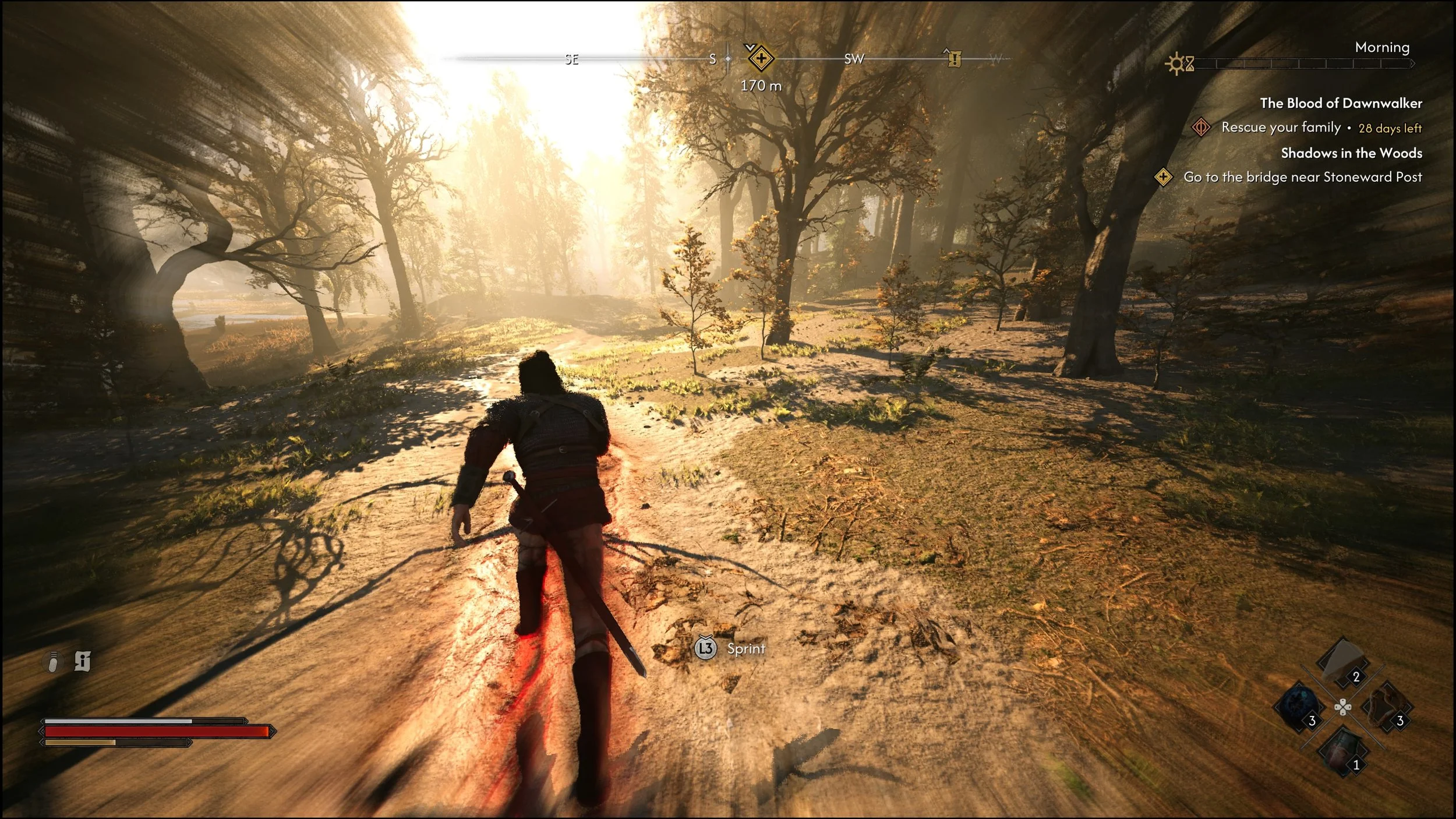
The day and night cycle affects The Blood of the Dawnwalker's storytelling and player choices, and that extends to how combat plays out. As mentioned earlier, you only have vampiric powers at night. During the day, you're a regular human who happens to have been taught how to use witchcraft. You can cast spells using your own blood, which is a nice balance, as your vampiric side has abilities that can replenish your health.
Witchcraft in this game isn't as impressive as the powers available during the night. Burning someone or putting a mark on an enemy isn't as cool as taking a bite out of a foe to heal, turning into a wolf for faster travel, blowing someone up the moment Coen closes his fist, or teleporting and walking on walls. You're relatively weaker in comparison, but witchcraft does have its moments, such as allowing you to talk to the dead to gain more insight into a specific quest.
Despite the differences, the playstyle feels relatively limiting, as Coen is only equipped to fight with a sword and nothing else. During the night, you can choose between the sword and using your vampiric claws as your main weapon, as there are upgrade paths for each one. During the day, however, you're mostly stuck with the sword, as no other weapon types are available.
This doesn't necessarily make it a negative, but it feels more like the studio understands its limitations. This unique mix of systems and mechanics is distinctive, and it felt like they needed to avoid being overly ambitious by introducing various weapon types and additional ways for combat to play out. They could have easily gone in that direction just for the sake of making the game look bigger than it actually is.
Omni Combat Takes Too Long to Find Its Footing
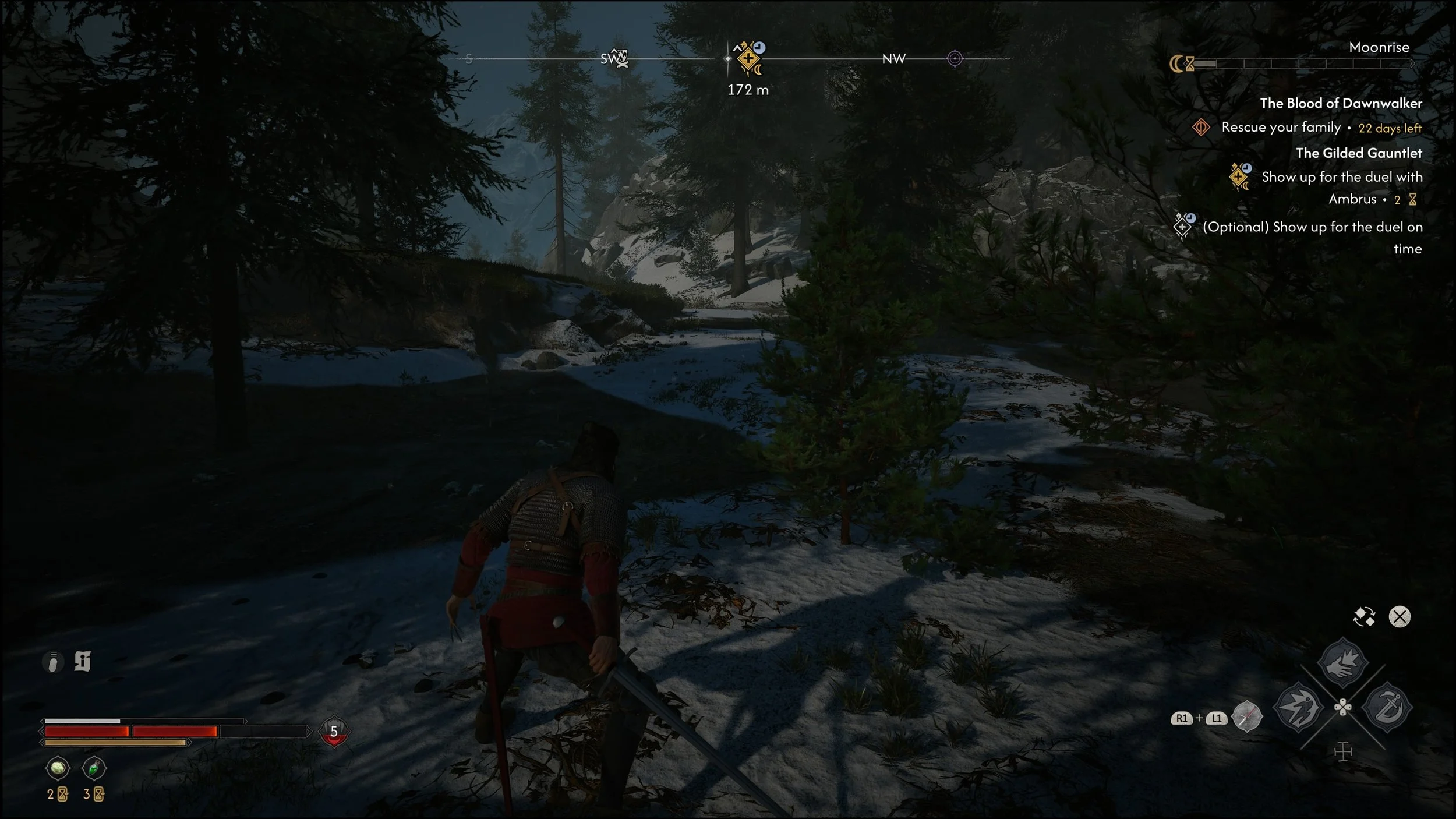
The bigger issue in combat is the missed opportunity to make better use of the game's directional combat system, called Omni Combat. It lets you choose the direction of Coen's attacks, from the left, right, overhead, or underneath. The same goes for deflecting and blocking, as players need to parry in the right direction to defend successfully.
During the first half of the game, it wasn't impactful or satisfying to perform attacks in the right direction. Doing so properly allows you to manage your stamina more efficiently, but the feedback for getting it right felt lacking in the beginning, as I would forget the purpose of attacking from certain angles in the middle of a fight.
Defense is another story. It’s clear why I need to block in the right direction, as failing simply gets you hit. Blocking in the right direction at the right time results in a perfect parry, so it has a clear payoff. It was only during the second half of the game, after unlocking a few perks, that the system felt more satisfying and worth mastering offensively. One perk increases your damage if you don't attack in the same direction twice in a row. There's also a perk that guarantees a critical strike if you attack in the indicated direction after a perfect parry.
These perks felt like they should have been part of Coen's base kit of combat abilities, as combat felt way better when they were active. Once more effects were tied to Omni Combat, I grew to appreciate it, but it's unfortunate that the system only becomes more satisfying towards the latter part of the game. It didn’t even have directional combos to entice attacking at certain directions in a certain sequence, which I feel could be as simple as how Kingdom Come Deliverance did it in their combat.
The Different Colors of Gear
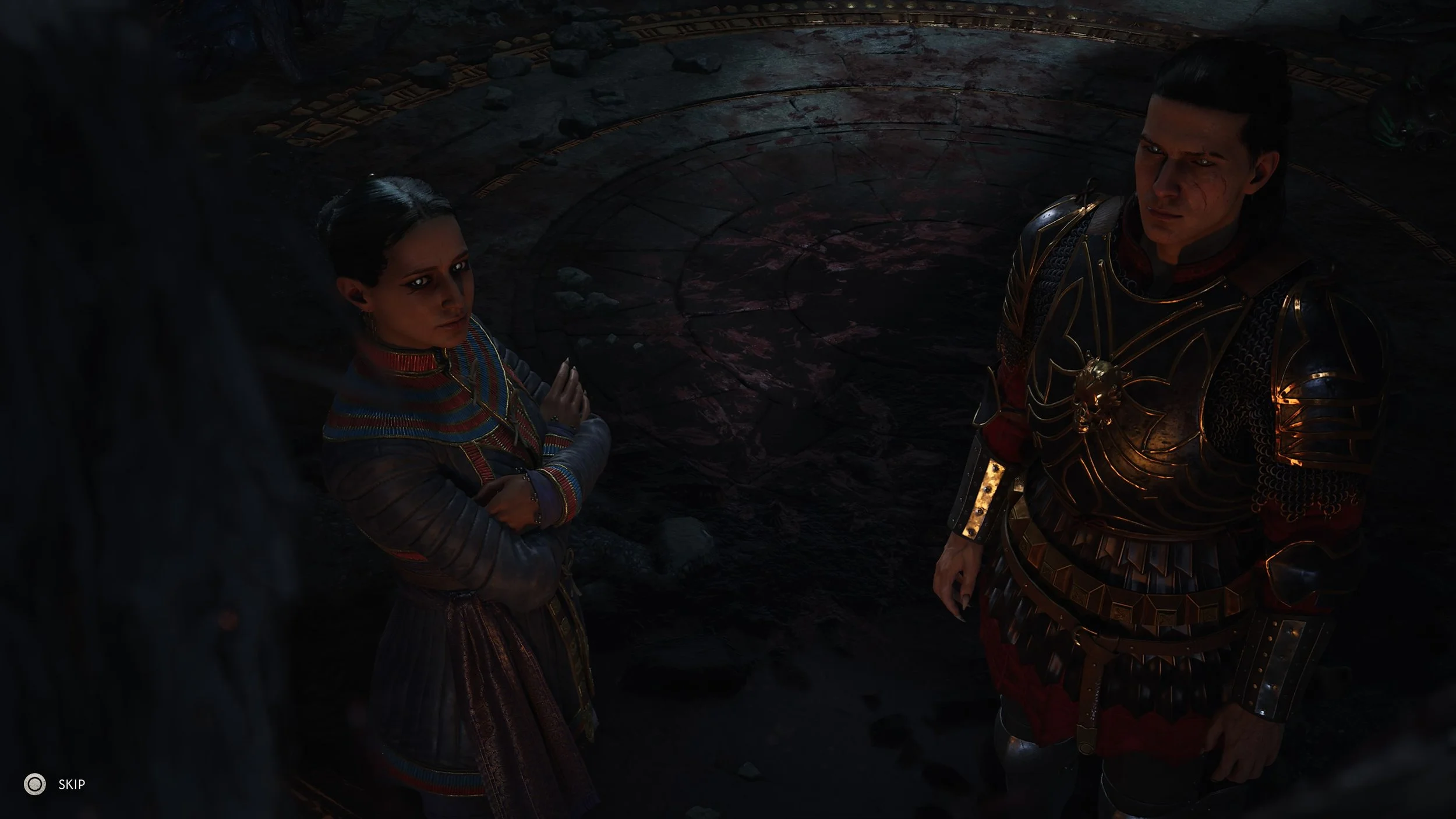
There’s nothing too exciting when it comes to Coen's gear. You have day and night gear sets, and transitioning from day to night quickly switches to the appropriate set. Certain items have stats that only benefit either Coen's vampiric or witchcraft side. The affixes are straightforward, offering increased weapon damage, reduced stamina costs for attacks, critical strikes, or exclusive bonuses like increased damage from your vampiric claws.
I tried to mix and match gear to see how much of a difference it could make, but most of the time, it was hard to really appreciate the choices. At best, I could notice the reduction in stamina consumed when blocking or performing other actions, but most of the time, I was just making sure I was wearing the gear with the higher stats.
Gear and weapon rarity are present. Between white and epic gear, the differences mostly come down to higher stats and more affixes. Legendary gear can inspire a focus in gear loadout, but there isn't enough here to stop the presses and push me to hunt for specific gear and experiment with different setups.
A Promising First Step for Rebel Wolves
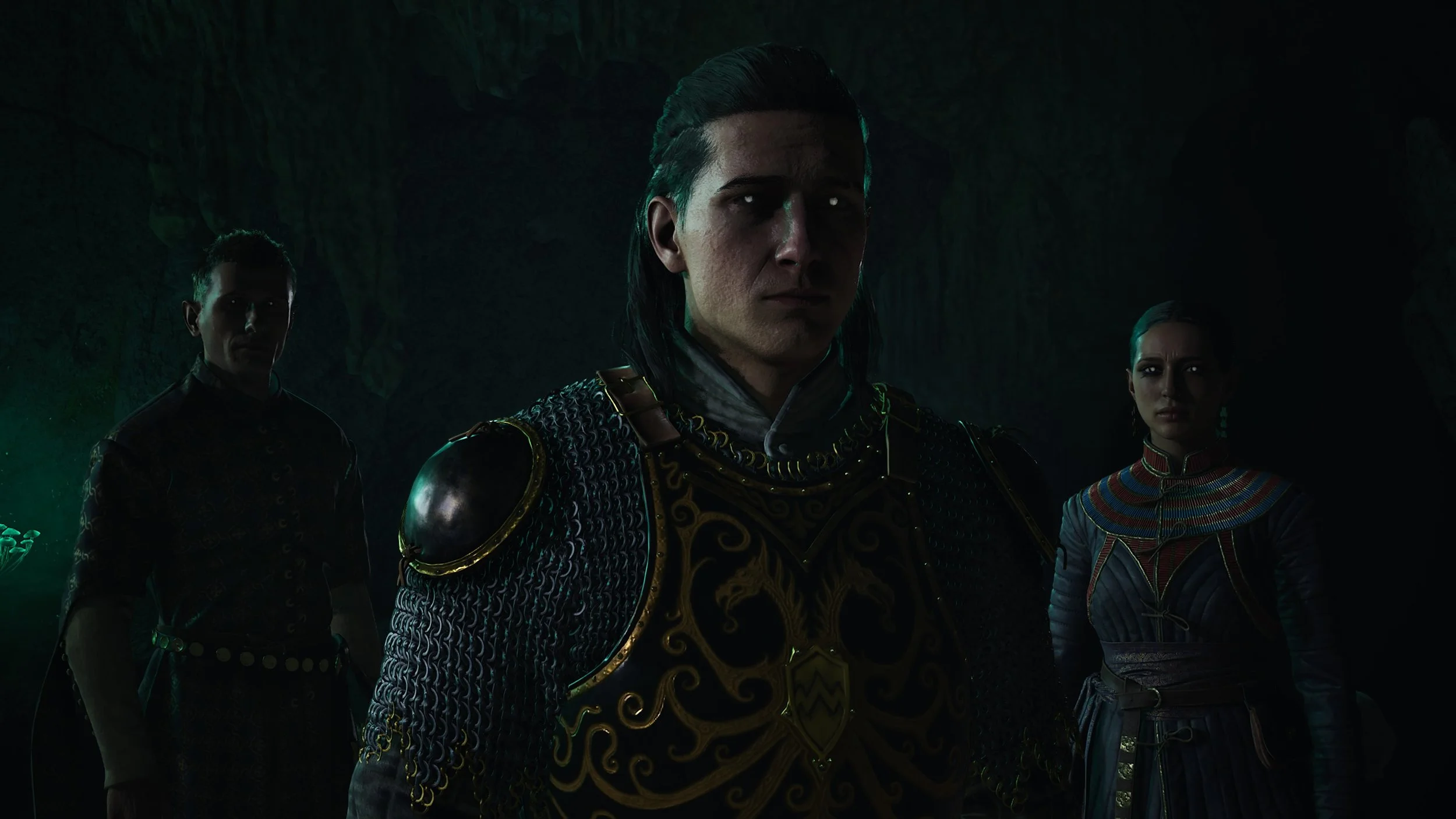
There's a lot to like about this game. The use of time as a resource was executed really well, as player choices can gradually introduce pressure and urgency in places you least expect. It's a great curveball for the open-world genre, and the game doesn't stop there, as the day-and-night cycle also does a commendable job of keeping combat and questing from getting stale.
It feels like The Blood of the Dawnwalker is ambitious, while simultaneously holding back. The developers delivered something completely different, but it felt like they were making sure to not overwhelm players coming into their new world, and in that respect, Rebel Wolves nailed it.
But I kept thinking about the missed opportunities. Traversal is exclusive to Coen's vampiric side and feels awkward at times during segments that require it. The investigative elements also feel The Witcher 3-esque, but witchcraft could have been explored a bit more beyond communicating with the undead to better match what Coen is capable of during the night.
For a game of this scale, the console version was barely problematic from a technical standpoint. I did experience a bug that put Coen in a slow-walking state whenever I started moving the character, which was fixed weeks later. I also experienced slight FPS drops and a few crashes on the PS5 version. But these weren’t consistent in the many weeks spent on the game. With a few more updates, they will likely become nonexistent for new and returning players.
Having an open-world game like The Blood of the Dawnwalker work rather well in terms of both gameplay and technical performance at launch is an accomplishment in itself. Once the credits rolled, the game teased the possibilities for the future while wrapping up certain story beats and character arcs, leaving me satisfied with how it ended but still on board for a second game. If Rebel Wolves gets the chance to make another one, it will be a sight to see. I hope the jump from this game to a possible sequel is similar to the jump from the first The Witcher game to The Witcher 2, as the foundation is now well-established, and it can only go up from here.
Verdict: 4 / 5 (Fantastic)
PROS
The 30-day deadline and the day and night gameplay differences are executed well enough to make the game stand out
Excellent side stories supported by strong writing and voice acting
A compelling dark fantasy world worth exploring
CONS
Brancis’ group practically disappears, diluting their threat
Omni Combat is great, but only fully shines later in the game
Witchcraft is underwhelming compared to Coen’s vampiric side
What I’ve Played
Finish first playthrough in 32 hours
Confronted all of Brancis’ generals before finishing the game
I was ready to end the game with 7 days remaining
Played the game on Hard difficulty
*This review is based on a PS5 review copy provided to the reviewer.
About the Author - Carlos Hernandez
Carlos Hernandez is the founder and Editor-in-Chief of Too Much Gaming, where he writes about video games, reviews, and industry news. A lifelong gamer, he would do anything to experience Final Fantasy Tactics for the first time again and has a love/hate relationship with games that require hunting for new gear to improve your character.
Our The Blood of the Dawnwalker review explores Rebel Wolves’ dark fantasy RPG, its 30-day time limit, the day and night cycle curveball, excellent side quests, and shortcomings.