
Control: Resonant Review-in-Progress: 30+ Hours of Weird Science
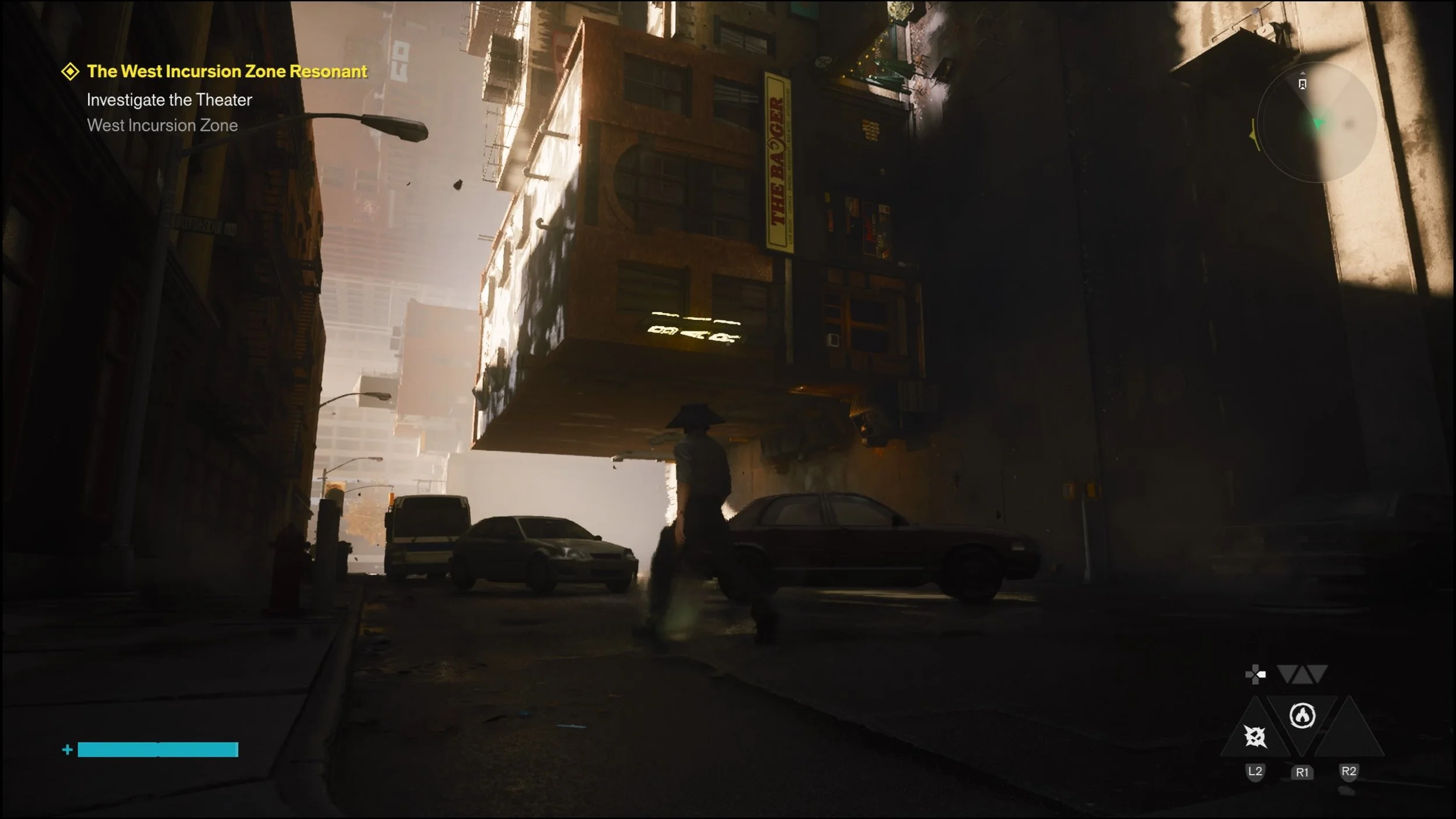
Developer Remedy Entertainment’s Control: Resonant is a mind-twister that keeps questioning what’s real and what’s possible. I’ve spent over 30 hours with the game so far and I’m pulled in by the sheer amount of weird science that has engulfed their version of Manhattan. I’ve explored every nook and cranny, have gotten lost, overwhelmed by the Hiss, and I'm loving every minute I’m playing this game , as this is easily my favorite game in Remedy’s world.
With life and other responsibilities happening last week, like my visit to Ubisoft Philippines, I couldn’t give my full attention to Control: Resonant, which is why this is a review-in-progress with no final score waiting at the end of this piece.
But I can confidently share my thoughts on the game and why I would highly recommend Remedy’s latest, as I feel like I’ve played a good amount of the game from its main story, side content, and other secrets tucked away in this sci-fi open-world adventure game. What’s left is pretty much what is waiting for me in the final section of the game, any possible content after completion, and, of course, how the game concludes, so expect a follow-up completing my full thoughts in a couple of days.
Control: Resonant Review-in-Progress Highlights
30+ hours played: I'm still enjoying Control: Resonant enough that I don't want to rush toward the ending just to meet the review embargo.
Weird science at its best: Remedy's bizarre world and unexplained phenomena remain the game's biggest draw.
Exploration is excellent: Manhattan's confusing but rewarding level design encourages you to figure things out rather than constantly following markers.
The Aberrant keeps combat fresh: Its ability to transform into different weapons, combined with Dylan's powers and artifacts, offers plenty of room for experimentation.
Combat can get chaotic: Enemy encounters can overwhelm you, while visual effects and enemy attacks can sometimes make it difficult to see what's happening.
The side content shines: Several side stories have the feeling of standalone Fringe episodes, with environmental storytelling being one of the game's strongest elements.
The visuals are a mixed bag: The environmental design and effects are excellent, although some character models and objects look dated, and I experienced occasional PS5 framerate drops.
No final score yet: I'm still working through the final portion of the game and want to experience the conclusion before giving Control: Resonant a complete verdict.
What Cannot Be Explained Must Be Contained
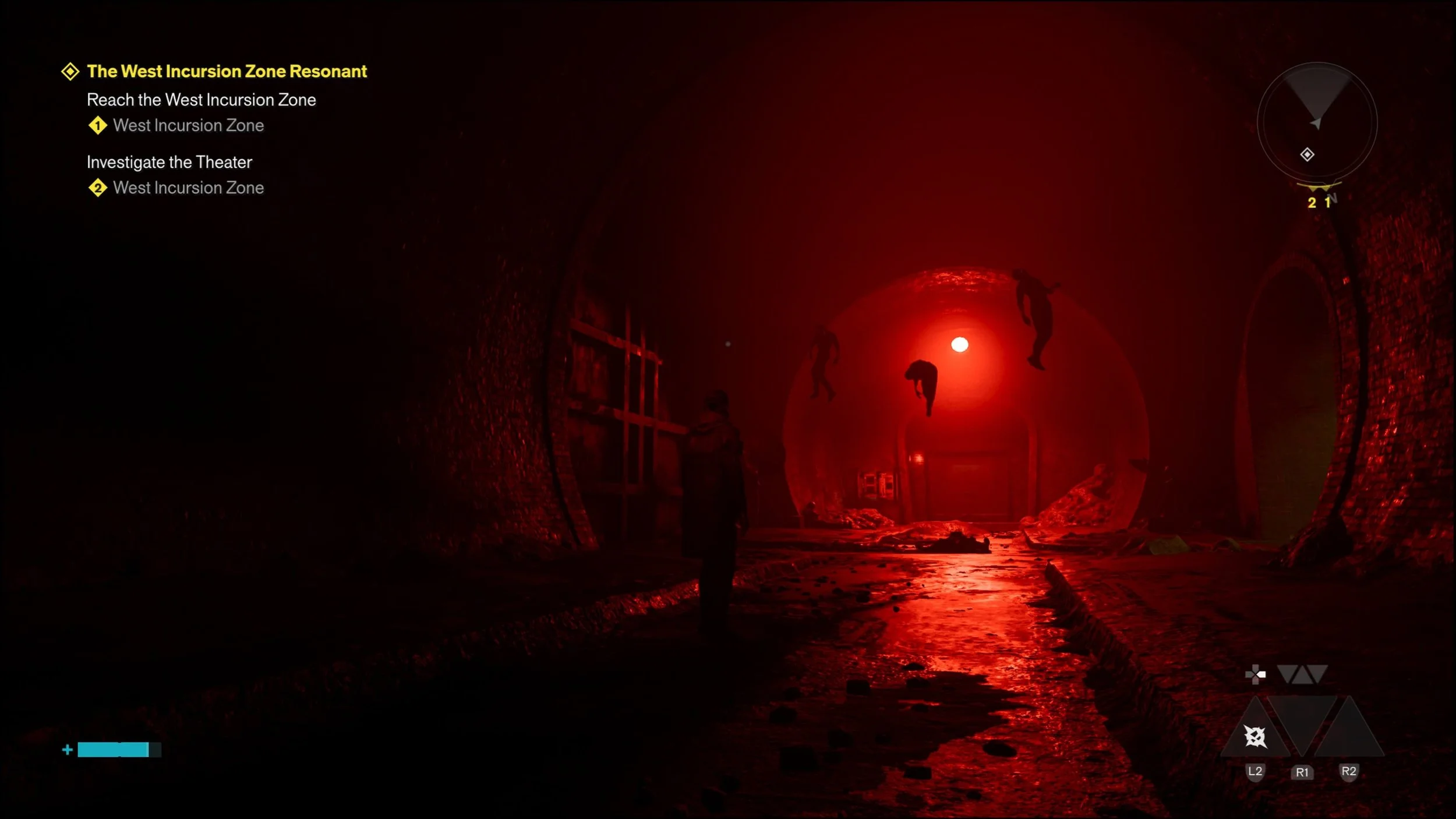
The Control series has always featured a unique modern weird science world. A game where everything is possible, and it’s okay if it doesn’t make sense. Up is down, chairs float, bodies multiply, and other questionable occurrences that science can’t explain are what Control is all about. The Federal Bureau of Control (FBC) is at the heart of all the weird as it specializes in handling and studying all that occurs. Seven years after the events in Control, Control: Resonant starts with you playing as Dylan Faden, the brother of the protagonist in the first game. The weird and crazy phenomenon contained in the Oldest House was released in Manhattan, and we now have an open world playground where everything has been altered one way or another.
Dylan was a major plot point in the first game, as the source of his abilities stems from why he was locked away, tested, and eventually hated or feared by FBC agents. Right off the bat, instead of Dylan celebrating freedom, his sole focus is to stop the Hiss, a hostile interdimensional force that the FBC has been trying to contain for years. He partners up with an FBC agent named Zoe, and together they go out to help out in containing what was unleashed into the city with the use of his unique abilities.
Dylan felt naturally timid with a mellow demeanor, but the game gives players the choice on how Dylan replies, from being annoyed or angry to being sympathetic to a situation or character. It doesn’t change the outcome in any way but I do appreciate that I can choose how Dylan should react based on what I felt about the situation. It’s a nice touch to keep the player engaged as there’s a lot of back and forth between the many characters you find in the game, especially Zoe, who is constantly in radio contact with you as Dylan is always asking questions and reporting his findings in his explorations.
The fun thing about Dylan’s personality is that this is a guy caged for seven years, so we have human moments where he just takes the time and arranges a location to be a perfect subject for a sketch. There’s not much bitterness seen in Dylan as he’s an FBC experiment attached to a terrible incident that resulted in him being locked up in the first place. He’s looking to make things right in a way, and his hatred for the Hiss is strong enough that he’s more than willing to team up with his captors.
Zoe is a more likeable character than Dylan, as she acts like the guy in the chair, a handler who hates corporate processes and protocol and relays info from one mission to the next. If something weird happens, Dylan reports it, and Zoe reacts just like anyone would react to something that can’t be explained. She acts like the missing context, as Dylan is in the same shoes as us; we don’t know what is normal, how the Patterning works, the fact that Altered items roam free in Manhattan, and that people should not eat the Mold. Dylan is thrown into a world he barely understands, and the presence of the Hiss and all the weirdness just make it more confusing. It’s a nice back-and-forth between the two core cast members, as there’s really no villain beyond the Hiss, at least based on where I am so far. One plot still remains hidden, and 30 hours in, it’s still lingering in the back, waiting to be revealed.
Fringe, the Video Game
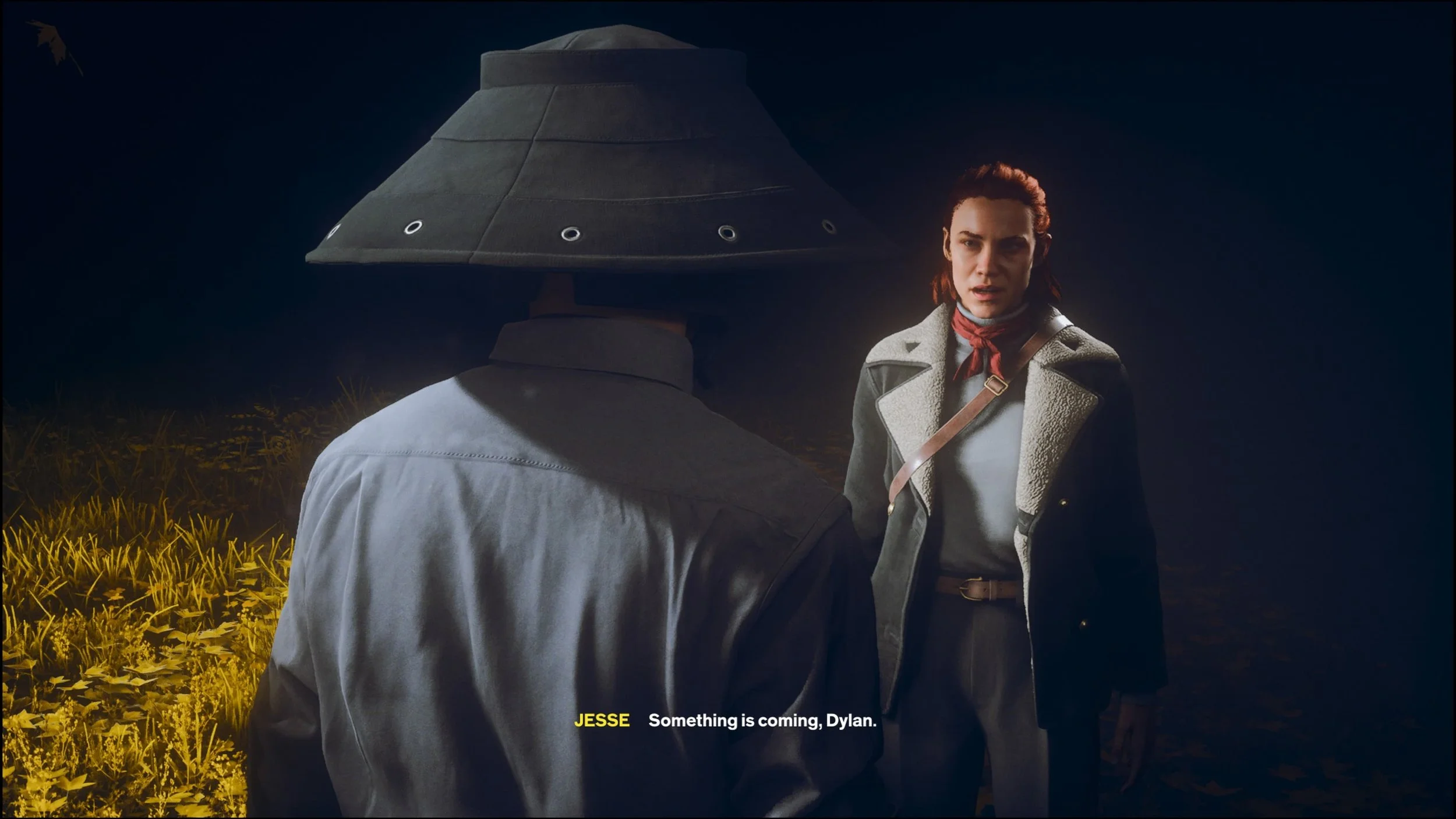
I’m eager to see how it unfolds, but I’m getting distracted by the game’s many stories hidden away in each location. Each major side story feels like it would fit nicely in an episode of the TV show Fringe, and it was fun seeing how it starts and ends, as this is where the game’s environmental storytelling tends to shine. I’ve encountered searching for a set of speakers that were scattered all across Manhattan, affecting a civilian, only to find something terrible after collecting them and finishing the “ritual”. I’ve encountered a doomsday prepper that has booby trapped certain areas that make FBC work harder for agents, and even found a team of agents dying one by one as each slowly had their head explode after examining an area with a strange orange glow.
It’s all weird and hard to explain, and I love it. Even the side activities that populate the open world have a similar tone of the weird. While the game has basic activities like clearing enemies and protecting NPCs from waves of enemies, they have more interesting activities like puzzles that require a bit of brain power to unlock a hidden door or catching a camera that freezes anything in front of it when it takes your picture, making it a fun traversal activity where you have to figure out how to go behind it to catch it.
All of these types of activities, plus opening containers, slowly level up the state of the location and, in turn, reward you with talent points, an upgrade to the location’s vendor, and more. It’s a simple and encouraging system that rewards exploration, so the mundane activities still feel like it’s worth it as it contributes to unlocking new rewards for that area.
Getting Lost in Manhattan
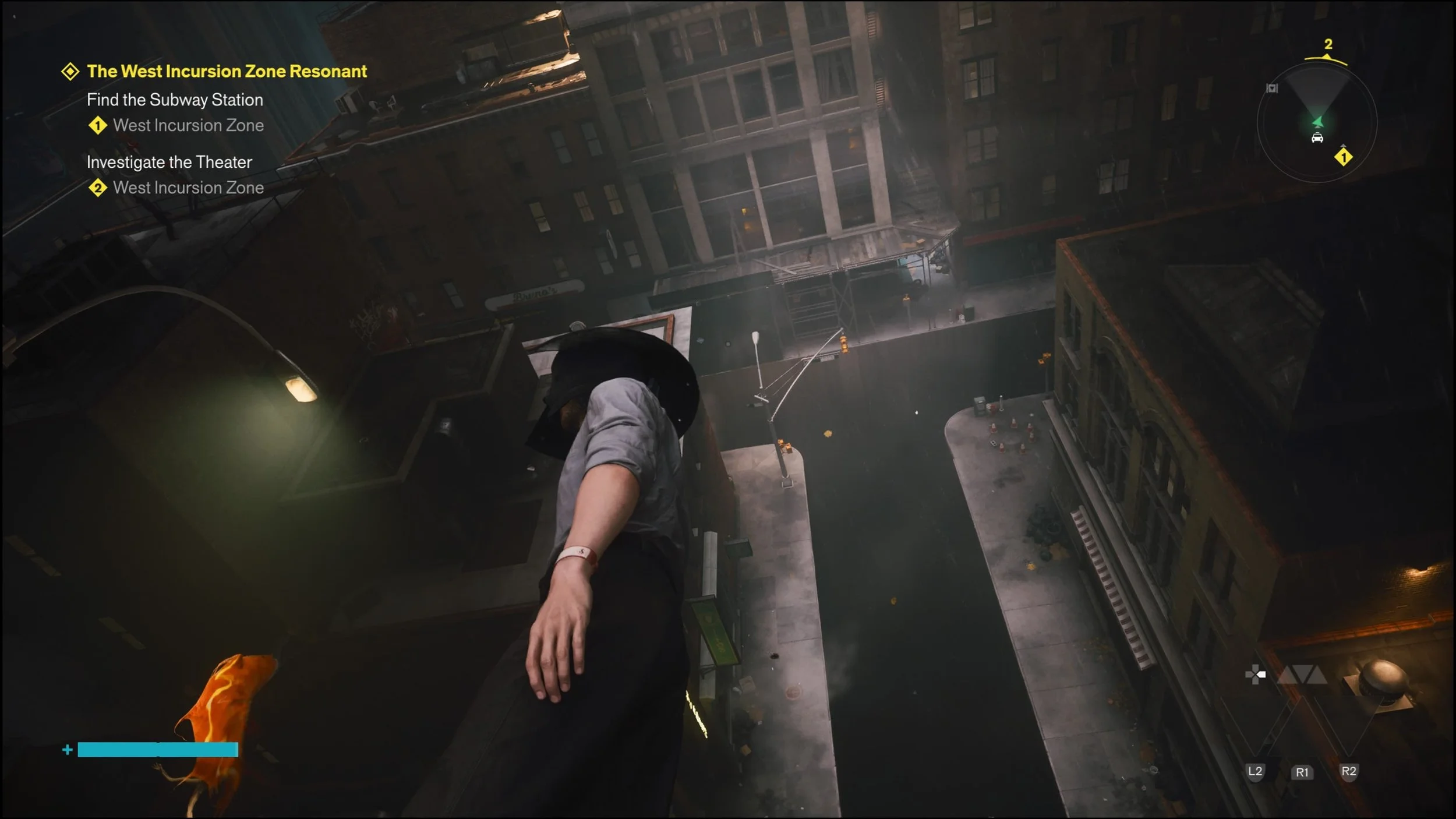
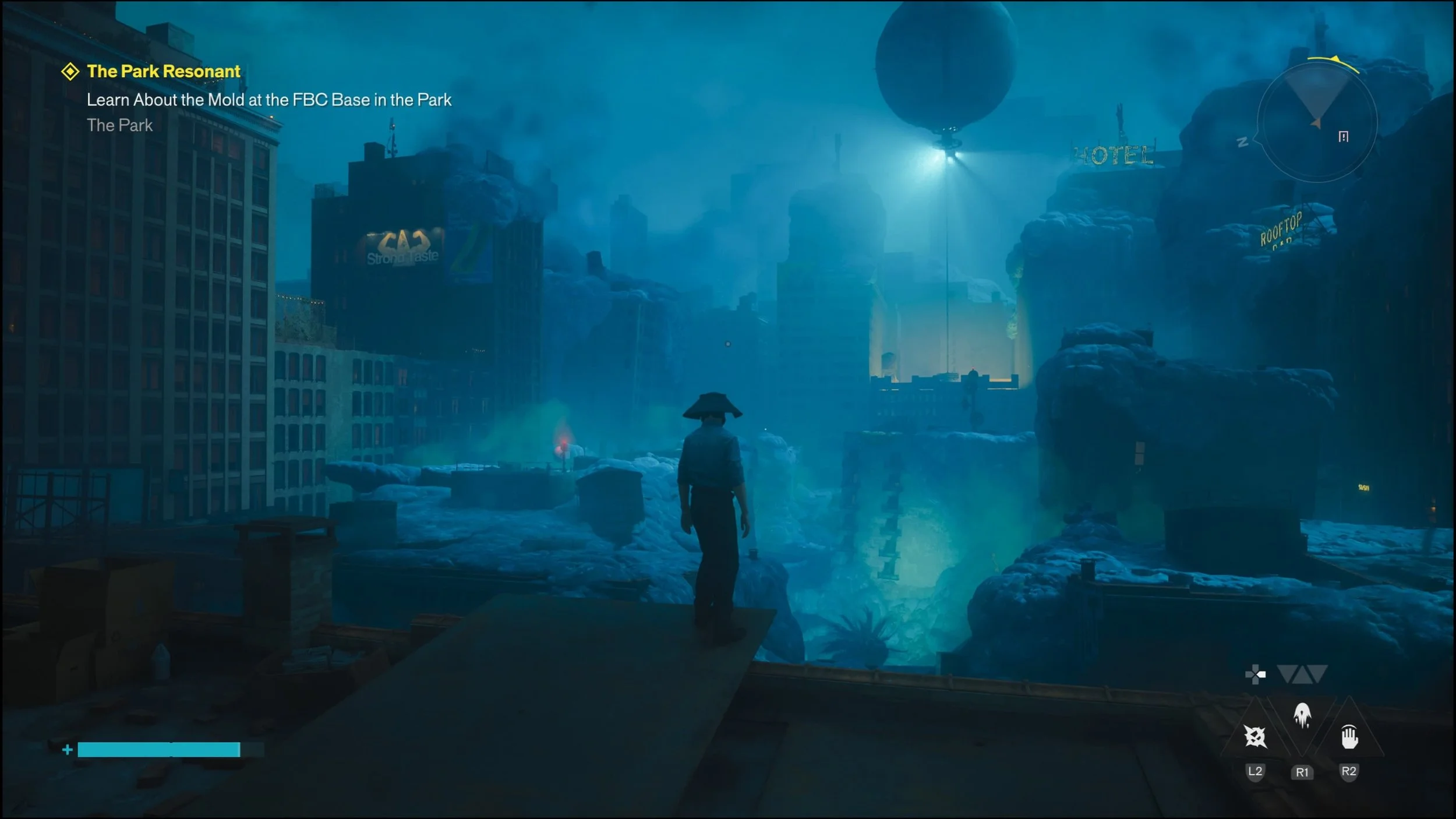
The traversal and level design are what puts this open world game on a whole new level, as I’m always lost or asking “how do I get there?”. I hope this sense of confusion and lack of handholding is intended because it helps with the atmosphere this game has, as I understood this is a world of the unknown, a place that’s familiar but not all at the same time. I appreciate that the developers are giving faith to players, as I felt like I was left to just figure it out, and each time I take a step back to think it through, I was left with this satisfaction that trumps the tiny bit of frustration that builds up at first when I hit a wall. All the tools and clues are always present, and despite all the weirdness, Remedy Entertainment was able to deliver a good balance of retaining the game’s obscure nature while not completely compromising the player’s inability to understand where to go and what’s possible.
As you progress through the game, its level design and traversal become more complex. Right off the bat, the game gives you a lot of freedom in Dylan’s movement, as you have a double jump, double dash, and even have the ability to levitate to reach large gaps right at the first hour. Later on, the game opens up more as you get the ability to change the orientation of your gravity, allowing you to walk on walls or ceilings, to even propel you towards certain ledges if you are close enough. It feels like each location in the game is a big puzzle with a unique theme surrounding it, as certain areas feel like they were deeply inspired by the movie Inception.
Combat also features that same feeling of freedom right off the bat as Dylan wields the Aberrant, an Object of Power that is able to take the shape of any kind of weapon Dylan chooses. It’s just a metal bar with a sharp end at the top, and can morph into different weapon types from a massive hammer, a metal whip, to a drill-like spear, metallic punching gloves, to a sythe, and more. I also appreciate the small details that after each attack, the pieces that make it a hammer or an axe just peel off and fall to the ground, reverting back to its basic original metal bar form.
A Weapon That Can Be Anything It Wants You to Be
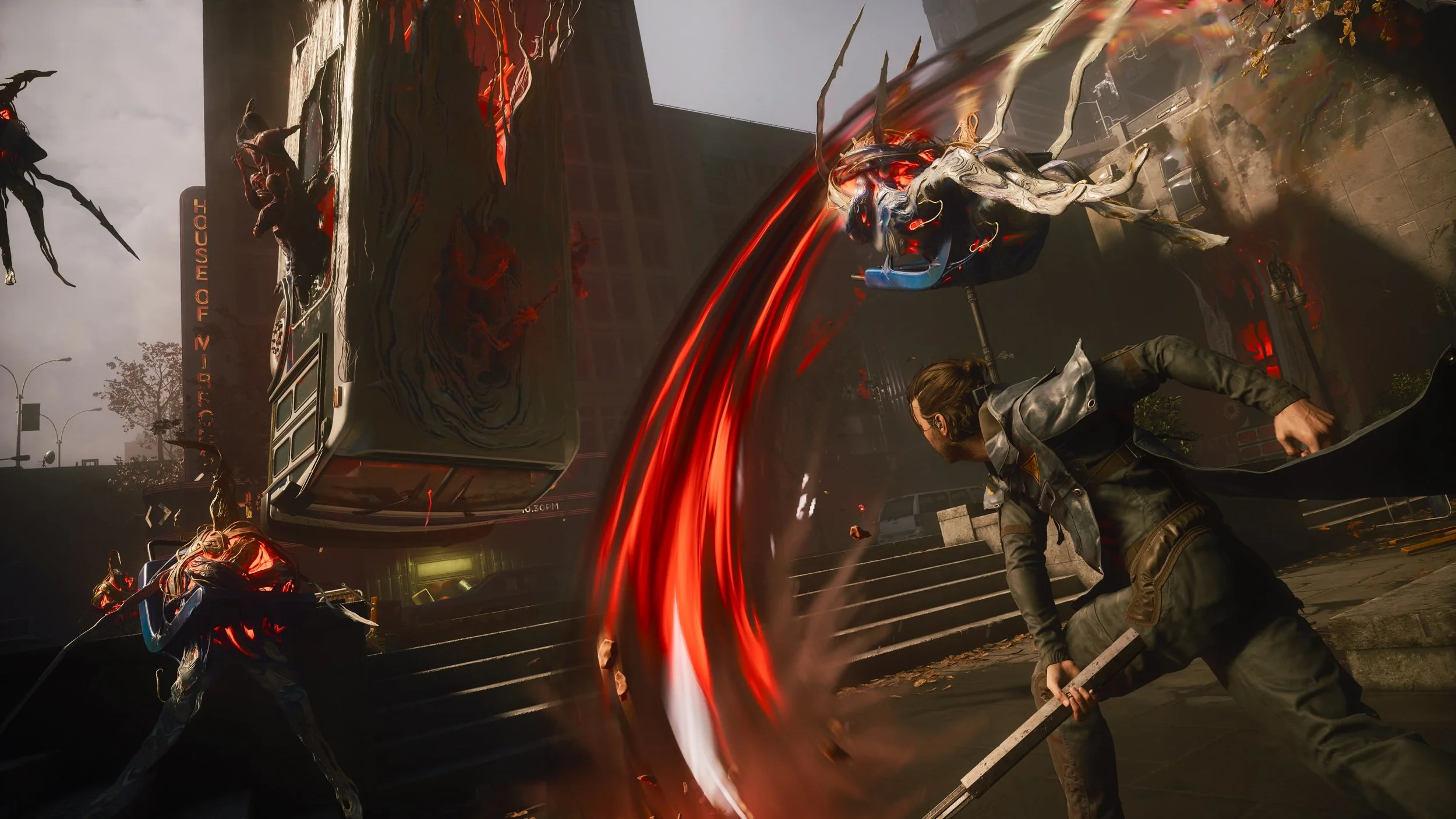
I love the freedom to mix and match as you can pick the form the Aberrant will take when doing your primary attack, secondary attack, and the combo finisher after doing a three hit primary combo string. Each possible form has its own set of pros and cons as one can apply the Weakness status effect to forms like the hammer able to break the armor off enemies more easily to attacks able to build up Power (used to do abilities) much faster.
I’m constantly experimenting as Dylan will eventually be given abilities after beating a Resonant, the game’s massive boss encounters, which serves as its own fair share of unique abilities like being able to create summons to fight alongside you for a limited time, launch a massive projectile towards an enemy, or imbue your attacks to apply burning to those who get hit. You then have artifacts that add unique properties to cater to a build, or add exclusive defenses such as weakening the damage of build up of a negative effect, for example. Or add more challenge as I did come across an artifact that adds a lot of power generation after every melee hit, but at the expense of making every damage you receive from enemies hit 20% harder.
It’s a decently layered progression system as each chosen form for the Aberrant has a simple perk tree to improve that particular form. Dylan isn’t a one-trick pony, thankfully, as the possible combinations give a nice amount of variety and playstyles to choose from.
As for combat, it’s easy to pick up as it doesn’t go as crazy as a Devil May Cry game as combo strings are simply three hits, but you can chain multiple attacks and juggle enemies into the air. Your time to damage them feels earned as enemy encounters usually feel like its you against the world, with numerous enemy types attacking you all at once, so you can easily get overwhelmed if you are not careful.
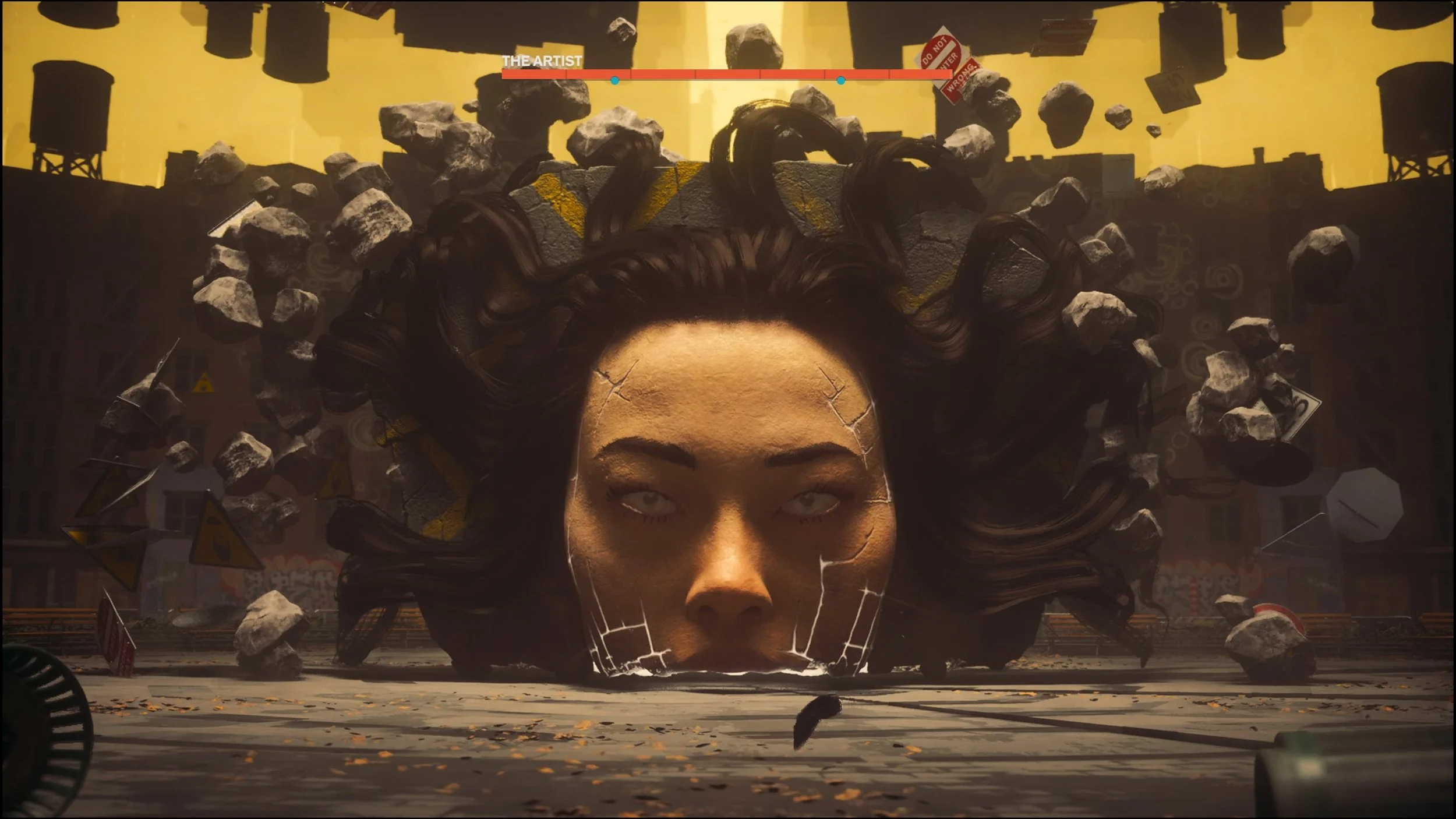
It can be challenging as I’ve died suddenly thanks to not prioritizing the right enemy first as unique and bigger enemies tend to just spawn lesser ones endlessly, giving the bigger ones the most obvious target. But still, it’s easier said than done as you have floating enemies attacking from afar, shooting laser beams, and ones that rush at you with no care in the world, all the while having smaller enemies lobbing rocks at you, so I felt like I was constantly bobbing and weaving to stay alive.
The challenge is what makes the combat enjoyable, while it isn't particularly unique, the Aberrant’s nature of changing forms keeps things interesting as I've reset my abilities at least three times so far for the sake of trying the different forms and abilities.
It can at times get harder to see during combat as there’s a lot of blurriness to some Hiss enemies, and dashing does also emit this blur effect. Bright lights can show up during blows, and enemy attacks have their own particles, so it can be busy a bit too much that you can be overrun by attacks and effects all at the same time.
Bosses are a spectacle in Control Resonant. Each location has a Resonant boss that when beaten, gives Dylan a new power to add to his arsenal. These are not necessarily difficult compared to some encounters found in the outside world and in quests, but they are a treat for the eyes as this is where Remedy flexes their ability to create unique monster designs I have never seen before. It’s a visual horror show from a floating head connected but also divided into three pieces, to other upsetting monster designs that fit nicely in a world where science struggles to make any sense of why things work the way they do. There’s one in particular I wish I could share with you as it’s a boss I just encountered an hour before writing this as it’s probably the best looking one yet.
A Visual Overload
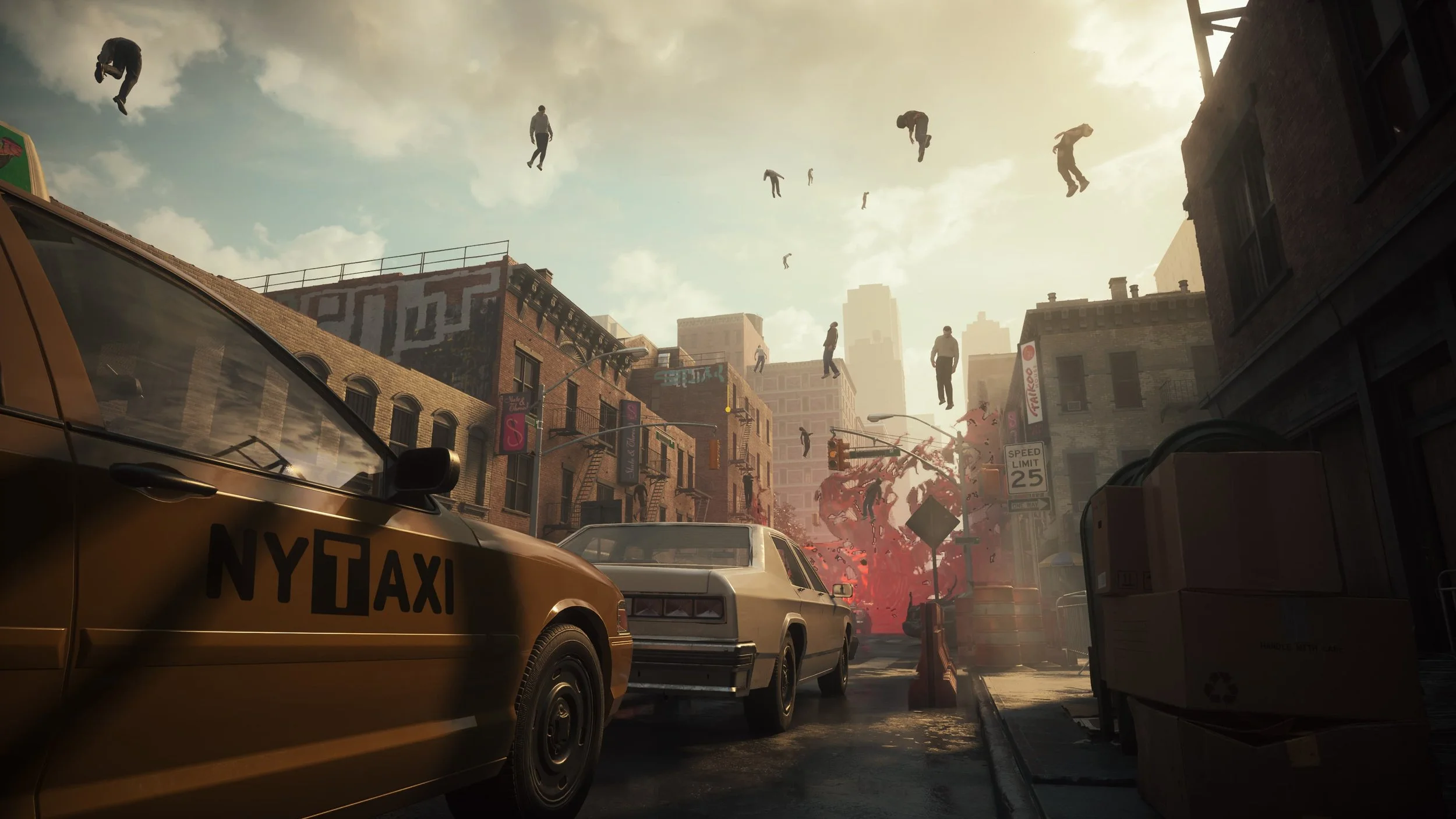
Control: Resonant is a visual overload both in presentation and visual design. We have bright lights with striking white and red colors, weird shapes and particles that populate the world, with floating bodies affected by god knows what. I played the game one time in the dark and had to stop a bit because the brightness and colors are so striking that it actually distracted my wife doing something else across the room.
Even the audio can be a bit weird. Some lean towards the weird, but break off as Zoe is a music nut, so we get a treat of some tasteful tracks that actually gave me a well-deserved break from the unfamiliar.
It really leans heavily to obscurity and the unknown, and Remedy doesn’t tone down the look and feel of the game as it even goes weirder and stronger as you progress. Just like in level design, it just gets more complex the further you go. The more you complete the game, the more questions you have about everything.
It’s not the most visually striking game out there today as character models and other objects look rather outdated or not even rendered smoothly at times, but it makes up for it in environmental design and effects, because you are in a fight, everything starts flying like chairs in a restaurant to railings coming off and being collateral damage. There’s so much debris that can fly around and be manipulated by what is going on around them that it can be as busy as what’s seen in the first game.
Due to this, I did experience sudden framerate drops on the PS5 version of the game, but not consistent enough to derail you and force a restart the game. It’s hard to replicate, but it’s possible to happen during busy moments. If it doesn’t happen, Resonant can easily run at 60 fps with performance mode, while graphics mode delivers a bit more visual fidelity to the environment for the cost of lower frames. Standard stuff for the naked eye.
No Rush for the Final Verdict, But I’m Close
At this point, I can easily recommend Control: Resonant for those that love the weird and the unexplained. The ones who appreciate Black Mirror episodes, a game that keeps the assist at the bare minimum, and allows you to explore the game on your own terms and do combat in your own way. It’s been a blast so far that despite my busy schedule, the first five hours made me realize I’m enjoying the game, and that rushing it for the sake of making the embargo feels like a disservice. With over 30 hours so far, I don’t feel like i’m forcing myself or finding the good parts of the game.
About the Author - Carlos Hernandez
Carlos Hernandez is the founder and Editor-in-Chief of Too Much Gaming, where he writes about video games, reviews, and industry news. A lifelong gamer, he would do anything to experience Final Fantasy Tactics for the first time again and has a love/hate relationship with games that require hunting for new gear to improve your character.

Marvel’s Wolverine is a solid video game, and I enjoyed my time with it, but I left wanting more from both the game and the character. It succeeds at making you feel like Wolverine, even if the game surrounding that fantasy isn't always as compelling.