

Insomniac Games’ latest superhero epic, Marvel’s Wolverine, sees the studio shifting its focus from Spider-Man to the most recognizable mutant in the comic book world. It’s a single player, story-driven adventure that’s bloody and brutal, but some of its gameplay and story choices water down the overall experience. The result is an enjoyable and well-crafted game, but one that doesn’t quite reach the same heights as the studio’s previous titles.
This game doesn’t present an origin story for Wolverine, but rather a launching-off point to signal an increased presence of mutants in Insomniac’s version of the Marvel world. This is before the X-Men even existed, as Logan returns to assist his former group Team X on a mission to rescue Nathaniel Essex, someone he deeply respects and feels indebted to.
This begins a series of missions revolving around saving mutants from capture while uncovering the secrets of Bolivar Trask and more. I won’t say much beyond this, as Wolverine is very story-focused. Between the slashing and big set pieces, we get the personal journey of Logan slowly recovering his memories, rekindling relationships with his former team, and forging new connections, particularly with Jean Grey.
A Wolverine in the Spotlight

Logan himself is portrayed well, but as written, he doesn’t have many layers beyond being loyal and dealing with a fragmented mind. He’s a likeable character, despite the things he does when the claws come out. At first, I thought that the game was leaning more towards portraying him as an antihero, but that thought went out the window as his motivations and moral compass never shifted.
Insomniac Games delivered a decent action adventure that does a good job at showing how it would feel to be in Logan’s shoes. His heightened senses are used as a guide toward the next objective, and also highlight key objects worth interacting with. This feels fitting for the character. The quieter moments where Logan gets to talk and learn more about certain characters were mostly a treat, but he mostly gets upstaged by the rest of the cast, as they typically deliver more standout performances.
The big standouts in this cast are Sabertooth and Troy Baker’s interpretation of Mr. Sinister (Essex). Baker has a respectable range at this stage of his career, and he does a great job managing the gradual evolution of Essex, as his demeanor and tone shift throughout the story. What happens to his character becomes a bit obvious, especially for those well-versed in the comics, but it’s delivered with such grace that I can see people going from liking the guy to absolutely hating him thanks to Baker’s performance.
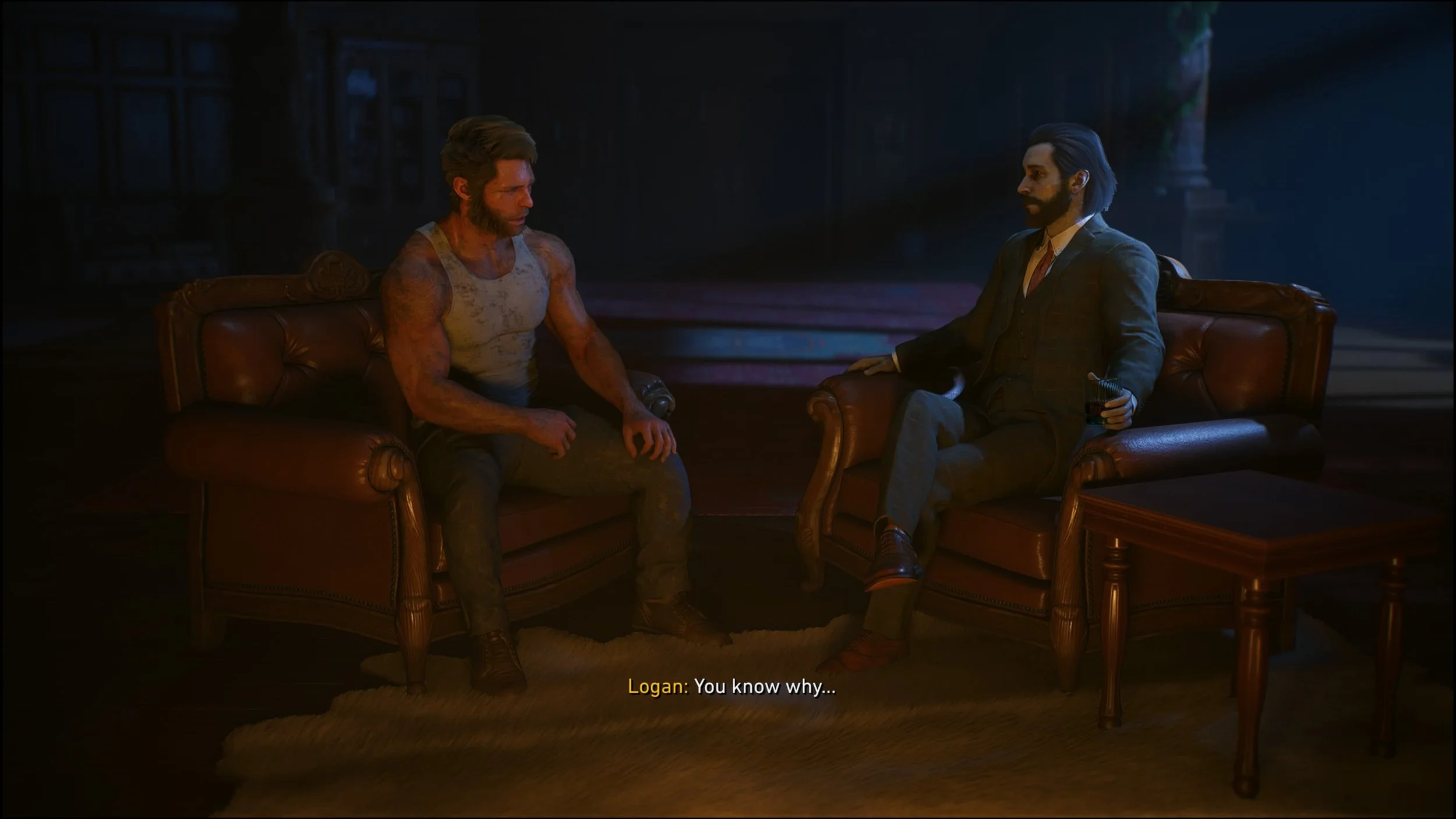
Logan’s rival and buddy, Sabertooth, puts a smile on my face each time he enters the game. Despite being loud and angry whenever he enters a scene, his love-hate brotherly bond with Wolverine steals the show. The game perfectly captures their shared love of creating carnage and murder. Their rapport made a particular mission one of my favorites, as it added more weight to an event in the game’s third act, the specifics of which I won’t spoil.
Then there's the relationship between Jean and Logan, which went to places that surprised me. I’m not sure how hardcore fans will take it, but Insomniac Games has once again taken a bold step by giving a unique spin to these two iconic characters.
Each major twist involving these two adds another layer to the story, and one of them felt like a missed opportunity for what I thought would have been a good idea. What ultimately transpired leaves Insomniac with enough threads to pick up in a sequel, as Wolverine feels more like a launch point than a means to an end.
Insomniac’s best-looking game yet?
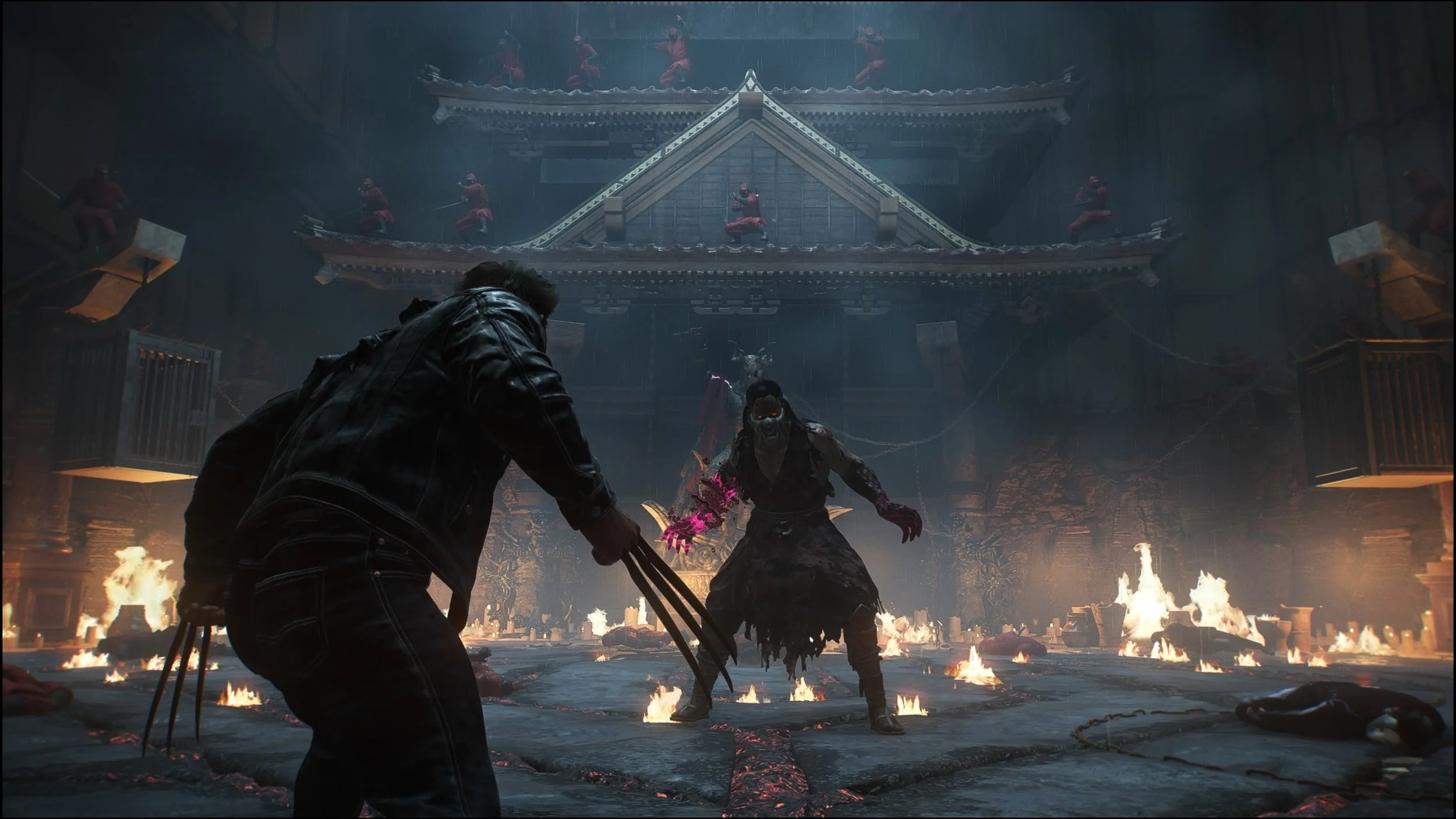
This is Insomniac Games’ third PS5 game, and the studio has become remarkably consistent at producing high-quality, story-based games without sacrificing visual fidelity or explosive set pieces.
The talent they have can easily rival other first-party Sony studios like Naughty Dog. The voice acting, animation, environments, and overall production value make Marvel’s Wolverine one of the most visually stunning video games I’ve played. There’s no denying that.
But as I went through the game, I noticed that the big set pieces meant to wow audiences didn’t land quite as well as moments in Marvel’s Spider-Man. For instance, in that game’s opening, Spidey had to improvise and stop a massive crane from falling onto helpless bystanders. The stakes were established.
Marvel’s Wolverine has plenty of explosive set pieces. They looked pretty and were well choreographed, but never had meaningful stakes or possible consequences should things go horribly wrong. A lot of what happens here involves Wolverine literally throwing himself into each situation.
It was difficult at times to appreciate a hero surviving or succeeding in an impossible situation when you know that he can literally heal from almost any injury. Wolverine is a skilled fighter who can hunt people down using his heightened senses, and he’s deadly up close, but the game leans too much into his incredible healing factor rather than highlighting his strengths as an individual.
This game made me realize that, despite all of this being fiction, adding a bit of genuine danger and stakes to a situation can put a lot more weight on the player or viewer.
Even a perfect portrayal wouldn’t equate to consistent fun
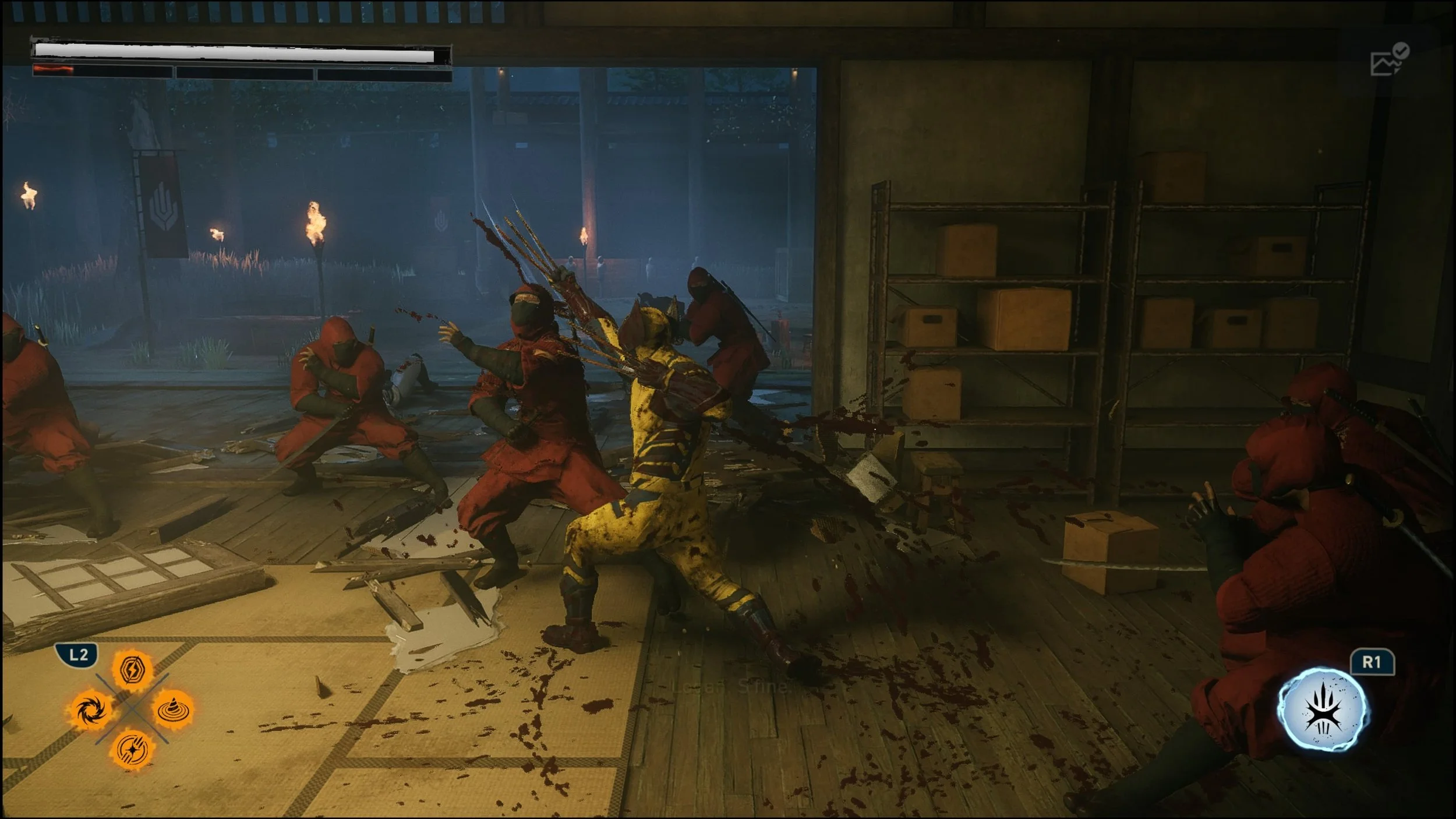
Marvel’s Wolverine features combat that toyed with my feelings, as I felt like I was enjoying it in waves.
In the beginning, with very few abilities unlocked, it felt like I was simply spamming attacks between dodges and parries. Things slowly get better and more enjoyable as your arsenal expands, but the satisfaction of landing a perfect parry or dodging barely has any impact that it can quickly be overshadowed in the brawl.
I mostly felt like a man out of control and slashing uncontrollably, which does fit considering the game is meant to portray what it feels like to fight as Wolverine. It often felt like if I’d stopped attacking for even a moment, my chances of dying would go up every instant I wasn’t swinging Logan’s claws.
When it clicks, though, it feels fantastic.
You’ll find yourself leaping from one enemy to another, using an ability on one target before immediately jumping toward another to pressure ranged enemies, and so on. The game does a good job of making you feel overwhelmed, as enemies can attack together and force you to stay alert for the many audio and visual cues signaling the right moment to parry or dodge. Those are the best moments in the game’s combat, particularly in its second act when The Hand shows up.
Upgrading Logan is pretty straightforward, as I never felt like I was stuck at a crossroads between major decisions. There’s no multiple playstyles, as you are simply choosing whether you want the ability to trigger his healing factor with a press of a button now, or will instead opt for the spinning attack that, when upgraded, allows you to do it multiple times before it goes into cooldown.
The problem is that there are plenty of fights that feel repetitive, with the same combo strings and dodges being repeated over and over again.That repetition also shows up during the latter parts of the game, when you trigger Wolverine’s Berserker Frenzy state at max Rage. This state allows you to recover and heal faster, deal more damage, and execute enemies after a few hits. If you maintain this state, you become an unstoppable force, slaying enemies one after another.
It’s brutal, and again, it fits the character’s fighting style and personality. But the more I found myself caught in this loop of death and murder, the less I wanted to do it, because I was mostly just pressing the execute button over and over again when the prompt to do so showed up.
It also didn’t help that the first batch of bosses you encounter feel like lengthy damage sponges, lasting a bit longer than they should. Thankfully, things improve in this department, as there are some amazing boss fights in the latter part of the game. The fight with Lady Deathstrike and bosses in the final act are Insomniac doing some of their best work.
There are stealth segments, but nothing forced. You can play it smart and clear an area without alerting them. It’s possible because there are tall grasses for you to hide in, and leaping onto an unexpected enemy doesn’t trigger anybody nearby. For me, I just treat it as an opportunity to lessen the numbers before getting into the fight. I mostly just dive in and get the action going.
A Straight Arrow
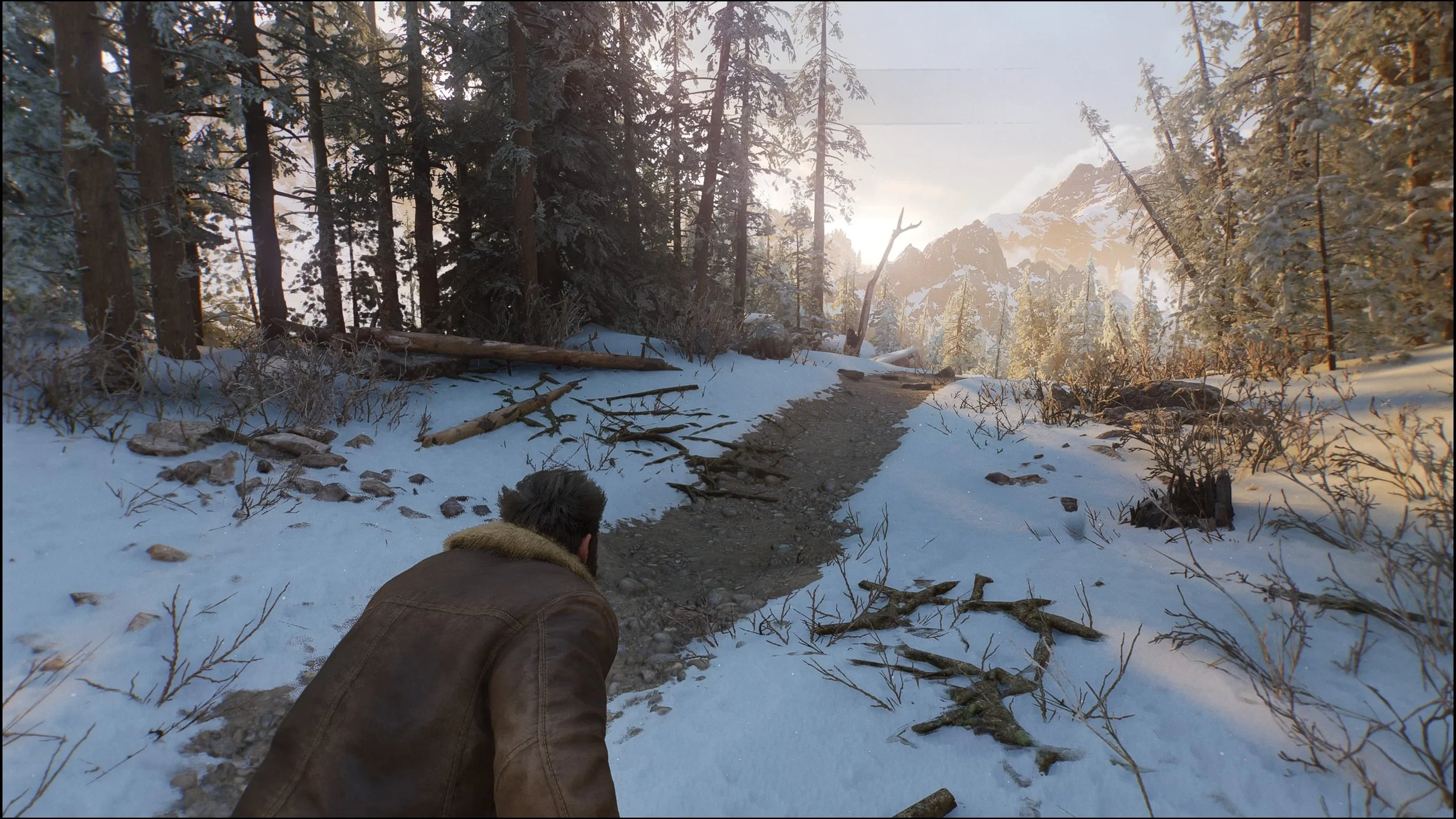
The whole game is a straight arrow. It consists of a series of missions mixed in with some relaxing segments. A time for the player to explore the base of Team X or see Wolverine interact and get more context about each character and their relationship with Logan. But there’s nothing much beyond side areas that hide collectibles. There’s no section to roam around freely as it’s really a typical action adventure moving from one level to the next.
As far as side content that would incentivize replaying certain missions, it’s mostly limited to collectibles and Nightmare Doors. These challenge levels task you with eliminating enemies in a certain way, clearing waves of enemies, or reaching a point in a stage as quickly as possible through traversal. It’s not a particularly balanced collection of distractions.
There are too many time-trial challenges, which is an odd choice considering traversal is one of the weaker aspects of Wolverine. If you compare it to what Insomniac did with the Spider-Man games, Logan’s traversal is basic at best.
Logan can climb, but there’s no real trick to it. You’re simply climbing as quickly as possible during these trials and picking a route that can shave off a bit of time if you want to earn the highest possible reward.
There’s not much skill involved, and for the game to have so many challenges built around traversal feels off, because the gauntlet challenges where you add new perks that can help or make things harder delivers the game’s most challenging encounters, so I was hoping to see more of that.
It took me around 16 hours to finish the campaign, although you can definitely hit the credits much faster. I was taking my time to look around and interact with everything I saw, and I always made sure I did every Nightmare Door on my first playthrough.
Accessibility is Insane
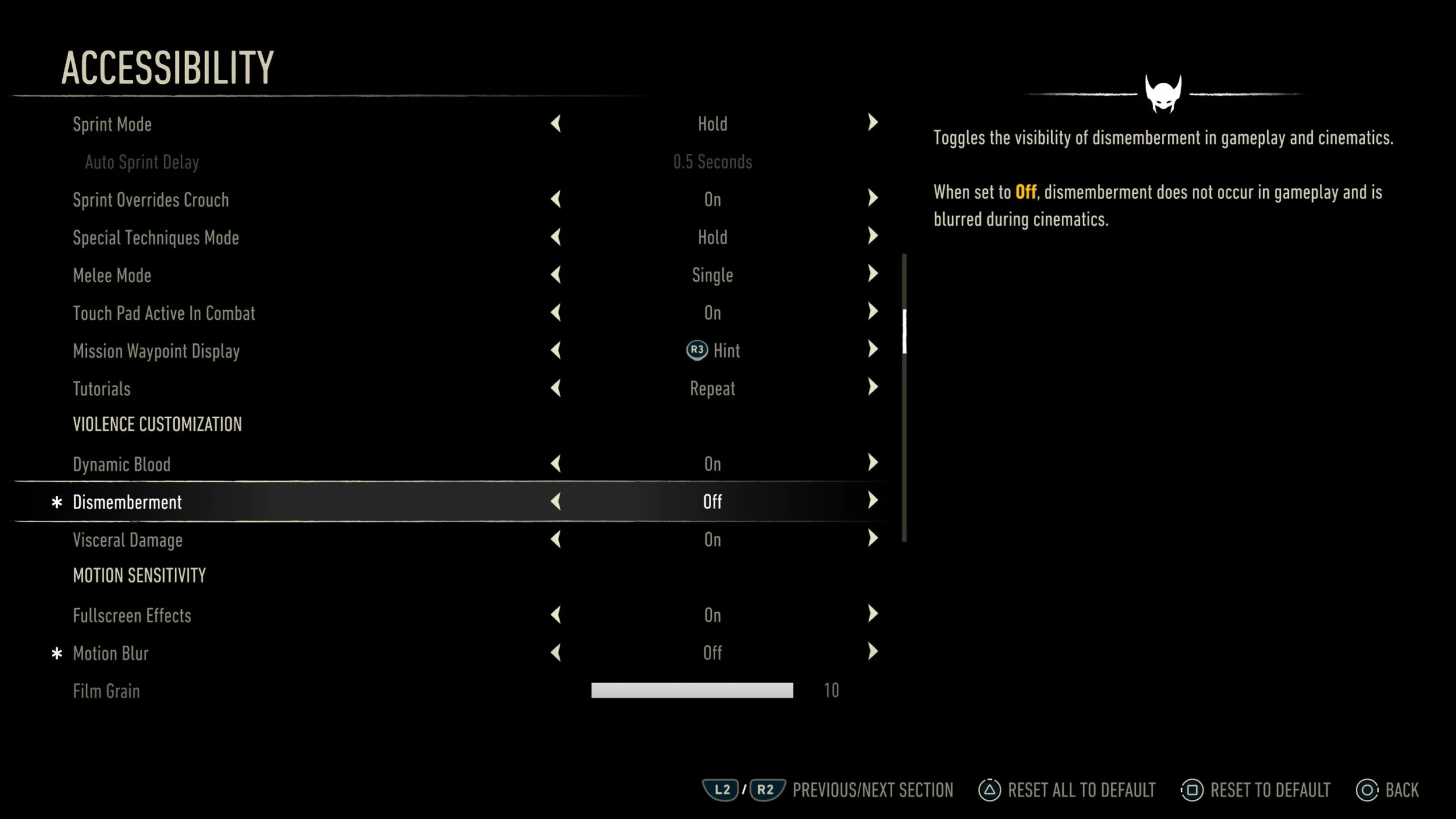
A staple of PlayStation exclusives is the sheer amount of accessibility options available, and Marvel’s Wolverine is no different.
There are options for blind and deaf players, the ability to mute profanity, and settings to remove blood and gore. You can play the game in slow motion, lock onto enemies if you prefer a more Souls-like targeting system, and much more.
It is packed with options that make Marvel’s Wolverine playable for all kinds of players with different preferences and needs. None of the options I mentioned are enabled by default. They’re simply there for players who may need them to make their time with the game more comfortable or manageable.
Great Wolverine, But a Bit Uneven
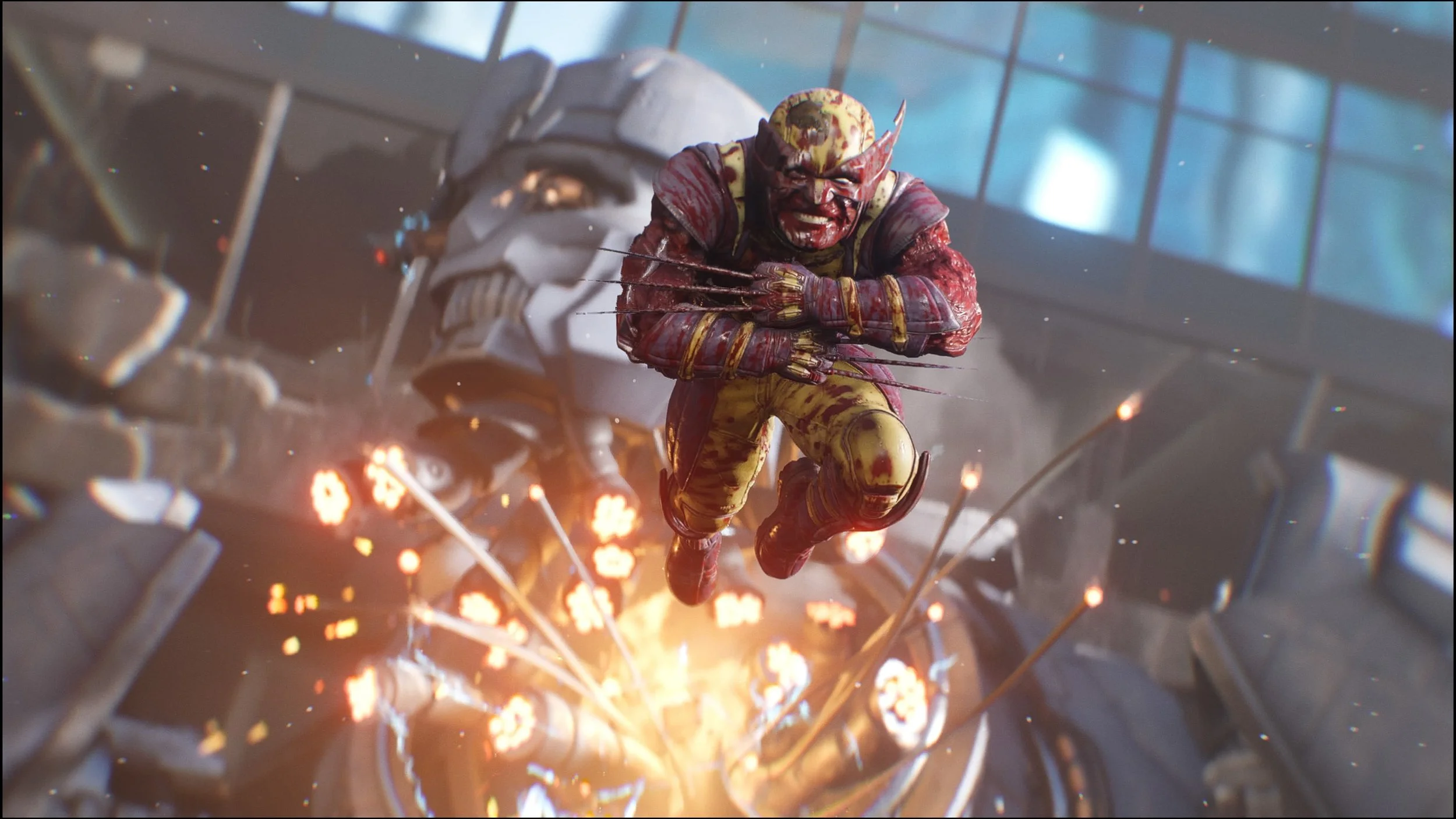
Marvel’s Wolverine is a solid video game, and I enjoyed my time with it, but I left wanting more from both the game and the character. On the technical side, there were close to no hiccups, frame-rate drops, or anything else that made the game feel lacking in polish. If anything, I think it’s a bit too polished, which is a rare thing to say about a game these days.
But it has its drawbacks. I didn’t come out of the game appreciating Wolverine as a character more than I did before playing it. After the conclusion, I found myself more curious about the consequences of what happened and where Insomniac’s Marvel world could go next than I was about seeing what Logan would go through next.
I believe they did well with the character. His claws feel brutal, his healing factor is constantly on display, and his relationships with characters like Sabretooth, Mr. Sinister, and Jean Grey give the story some of its strongest moments. It succeeds at making you feel like Logan, even if the game surrounding that fantasy isn't always as compelling. Its combat, structure, and lack of meaningful stakes keep it from reaching the heights of Insomniac’s Spider-Man games. Despite the technical excellence on display, Marvel’s Wolverine is the studio’s weakest offering yet.
Verdict: 3.5 / 5 (Great, With some caveats)
PROS
Great portrayal of Wolverine’s ferocity in a fight
Strong character performances like Sabertooth and Essex
Fantastic visuals and animation
Brutal, satisfying combat when it clicks
Extensive accessibility options
CONS
Combat can become repetitive
Basic traversal
Weak side content
Set pieces lack meaningful impact
What I’ve Played
Completed the main story in over 16 hours
Played the game again on the hardest difficult in new game +
Did all Nightmare Doors and experienced each memory
Almost achieved 100%
*This review is based on a PS5 review copy provided to the reviewer and played on a base version of the console
About the Author - Carlos Hernandez
Carlos Hernandez is the founder and Editor-in-Chief of Too Much Gaming, where he writes about video games, reviews, and industry news. A lifelong gamer, he would do anything to experience Final Fantasy Tactics for the first time again and has a love/hate relationship with games that require hunting for new gear to improve your character.
Our The Blood of the Dawnwalker review explores Rebel Wolves’ dark fantasy RPG, its 30-day time limit, the day and night cycle curveball, excellent side quests, and shortcomings.