
Marathon First Weekend Impressions: Addiction Sets In

Marathon released last Thursday, and since then I’ve felt an obsession take over. Thanks to my time with the Server Slam, my introduction (and frustration) with the game was already left in that moment. At launch, I knew what had to be done. I started doing runs, and by day one I was already addicted to the gameplay loop, which has far more depth than I initially expected.
But there’s more to it than that. Despite spending over 30 hours with the game so far, I’m still looking forward to playing more, and it feels like I’ve only scratched the surface.
The Next Brutal Extraction Shooter
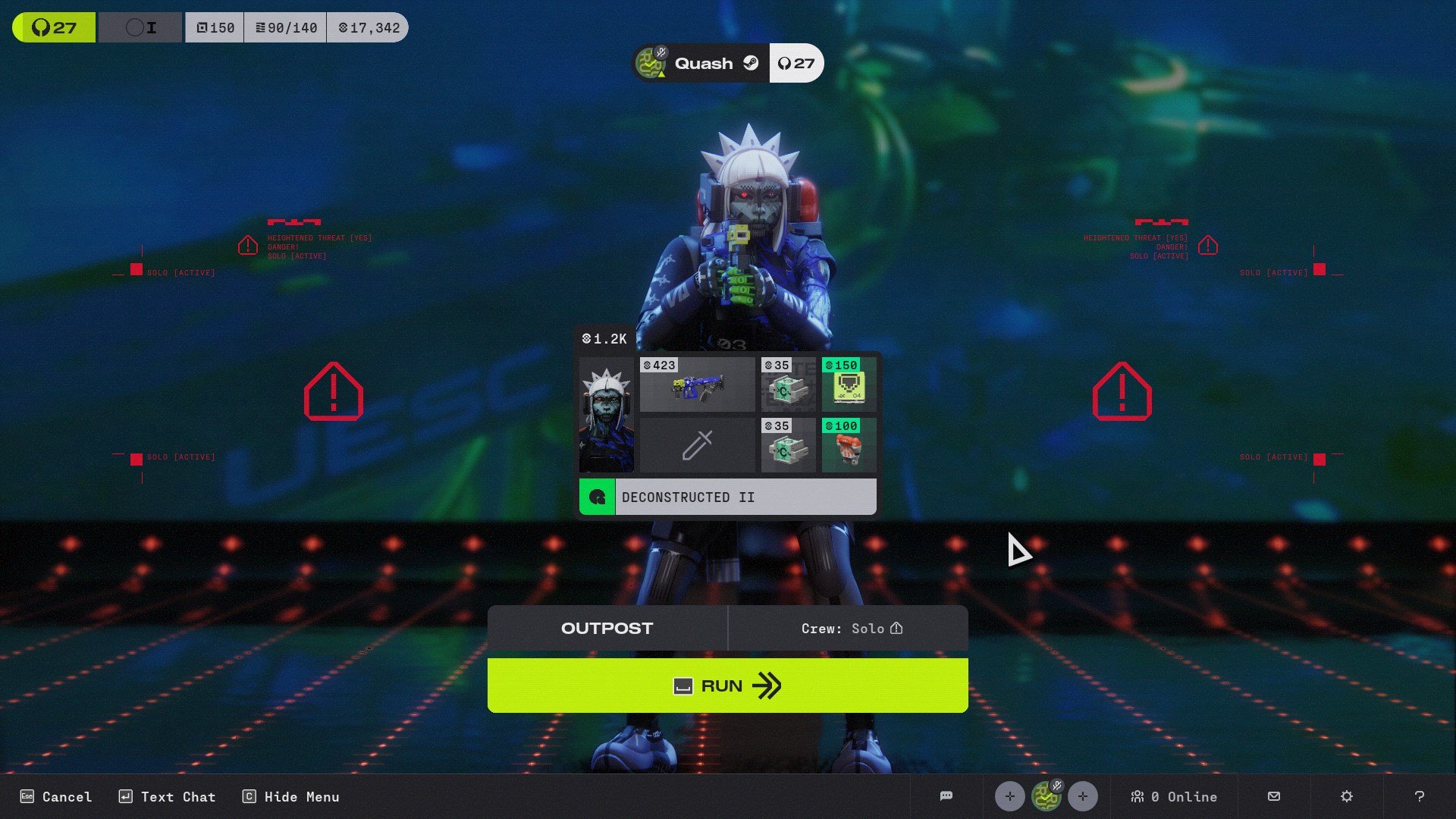
For most of my time in Tau Ceti IV, I’ve been running solo, and I’ve enjoyed the kill-on-sight mentality I’ve been seeing. It’s a fresh experience after months of naturally hesitating to shoot other players thanks to the more friendly community that formed around Arc Raiders.
Combat here is more strategic thanks to the fast time-to-kill (TTK), which makes positioning matter more than fluid movement. Get flanked or caught out in the open and there’s not much you can do, no matter how geared you are.
This also supports the game’s class system called Shells, where you play differently depending on the abilities you have available. This becomes even more noticeable when playing with a team, as approaching a fight (or even leaving one) can change entirely depending on your squad composition.
When the Chaos Works
Despite the many losses, the wins hit hard. Wiping a group after a constant back-and-forth exchange is exhilarating. It’s tactical chaos, with gunfire echoing across the map while AI enemies threaten both teams involved.
There was one encounter where a team I was with was looting an area in Dire Marsh. We didn’t notice another team sneak inside the building we were in as they instantly took out one of our teammates.
Suddenly it was a 2v3 situation. We retreated, but we didn’t want to abandon the fight and leave our third. We covered our escape with smoke grenades and slowly flanked around to where we assumed the other team had entered the building. The approach was slow but deliberate, and it seemed to catch them off guard as it felt like they assumed we had already left.
We slipped back inside and did the same thing to them. One of their teammates was instantly taken out while looting, bringing the fight to a 2v2. At that point we committed. A few headshots were enough to down a second player, and pushing together for the third was easy. I was playing Recon and the Shell has an ability that can ping nearby enemies, so the moment the second opponent went down, I triggered the ability and revealed the last player’s position, and that was the fight. We revived our third teammate (yes, you can still revive someone even after they’ve been finished off), and collected the spoils.
Encounters like this are why I enjoy these types of shooters. Every situation feels different, and Bungie is doing a good job marrying its signature gunplay with the extraction shooter formula.
Of course, there are frustrating runs. I’m losing fights just as often as I’m winning them. But the frustration rarely lasts long. Most of the time I immediately understand why I lost. If someone snipes me while I’m looting in the open, that’s on me. If I overheat from performing too many actions and get caught while exposed, that’s also on me. The losses teach you something, and those lessons make the wins feel even better.
This game has a difference sense of unpredictability compared to Arc Raiders, and that’s a good thing.
In Some Ways, It Feels Like a Roguelike
The grind for faction levels has been surprisingly positive despite the amount of time and resources needed to get them done. Each faction slowly progresses depending on your actions.
One grows from extracting safely. Another only grows from enemy player executions and looting corpses. Some progress from gathering certain materials.
Everything you do slowly progresses a faction, and this progression leads to upgrades that expand your options. From being a better Runner with higher heat recovery, to being able to buy better gear with your in-game money, to account upgrades like a bigger vault space.
The grind is good. Losing gear is painful but I never feel like I need to do naked runs just to bounce back.
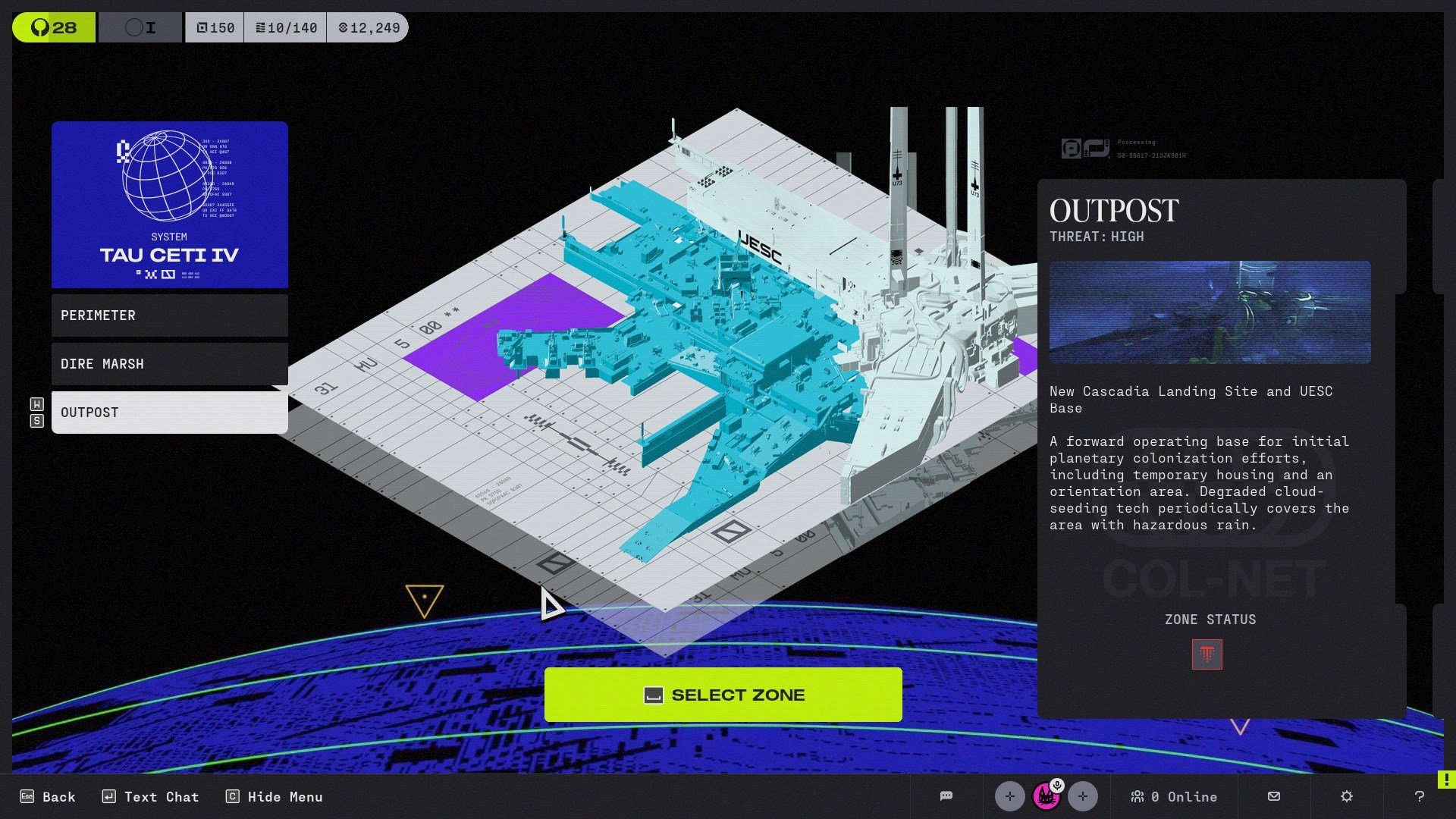
What I did notice once the third map was unlocked was this hierarchy. Perimeter is the first and beginner-friendly map, with Dire Marsh being more deadly but offering better gear. Then you have Outpost, which is currently the most dangerous map with some of the best gear in the game so far.
It feels like I rely on the first map to get materials I need for key consumables, hit Dire Marsh for better gear, then see what I’ve gathered to try and do a solid Outpost run. If I die multiple times, I go back to the first map to recoup my losses and build my way back to being confident for another Outpost run.
In that sense, it makes me feel like I’m playing a roguelike. It’s not just a series of maps you get to choose from. They all lean on each other, with players using them to have a chance at succeeding on the fourth map, Cryo Archive, which is said to be available later this month, with the community eventually unlocking it. We have no idea what is in store for us there, but we hear chatter that there will be raid-like mechanics and a boss to overcome.
It’s a solid blueprint so far, making it feel like the last map seem hard to reach for a good chunk of the community.
Mysteries Pending

Even though it’s only been the launch weekend, Bungie is already leaning into the kind of mystery-driven storytelling they specialized with Destiny 2.
When the third map, Outpost, unlocked on Friday, new terminals activated in Perimeter. These terminals provide additional context about the game world and even include audio lines from Durandal, the AI aboard the Marathon ship, a character fans will recognize from the original Marathon trilogy.
Everything points toward the fourth map, Cryo Archive, which takes place aboard the Marathon itself.
Bungie is even teasing it through a dedicated website that shows camera feeds from inside sections of the ship’s Cryro Archive, almost like a live surveillance system.
Players discovered the site through an IP address hidden within the newly activated terminals. There’s even a player icon containing a QR code that leads to the same website. This kind of community-driven puzzle solving has always been part of Bungie’s identity, and it’s good to see the studio bringing that same style into Marathon as the live-service experience begins to grow.
Bungie Has Something Special
Marathon is off to a decent start, but it’s also a game that takes time to click. Players who give it a chance are beginning to see the potential and are getting hooked like I am. But it’s still far from a casual experience, and I get now that it feels intentional. The UI and visual design are still an acquired taste, and the extraction shooter genre itself is already a barrier for many players.
That’s why my biggest concern isn’t the player base: it’s expectations.
Sony Interactive Entertainment acquired Bungie for over a billion just a few years ago. With Concord now the punchline of every live-service joke online, I worry about the kind of expectations Sony might have placed on Bungie’s latest title.
Meanwhile, Destiny 2 is navigating a difficult period after concluding its ten-year saga in The Final Shape expansion. Two new expansion later, it’s struggling to give players a reason to commit to the looter shooter. It all leans to Marathon giving the studio a win.
With all the discourse, criticism, and controversies surrounding Marathon before launch, I hope the game is given the time it needs to bloom and show its true colors, because after this first weekend, I’m invested in seeing what this game becomes weeks from now.
Will report more in the next few days, especially as we draw closer to the release of the fourth map. For now, if you are new to the game, here’s a beginner’s guide that will hopefully increase your odds at surviving in Marathon.
About the Author - Carlos Hernandez
Carlos Hernandez is the founder and Editor-in-Chief of Too Much Gaming, where he writes about video games, reviews, and industry news. A lifelong gamer, he would do anything to experience Final Fantasy Tactics for the first time again and has a love/hate relationship with games that require hunting for new gear to improve your character.
Ghost of Yotei: Complete Edition bundles the base game with Echoes of Sekigahara, Most Wanted, and Legends co-op. While the main campaign drags, Most Wanted delivers an excellent roguelite combat experience, especially with Jin Sakai.