
Code Vein 2 Review: Anime Ring
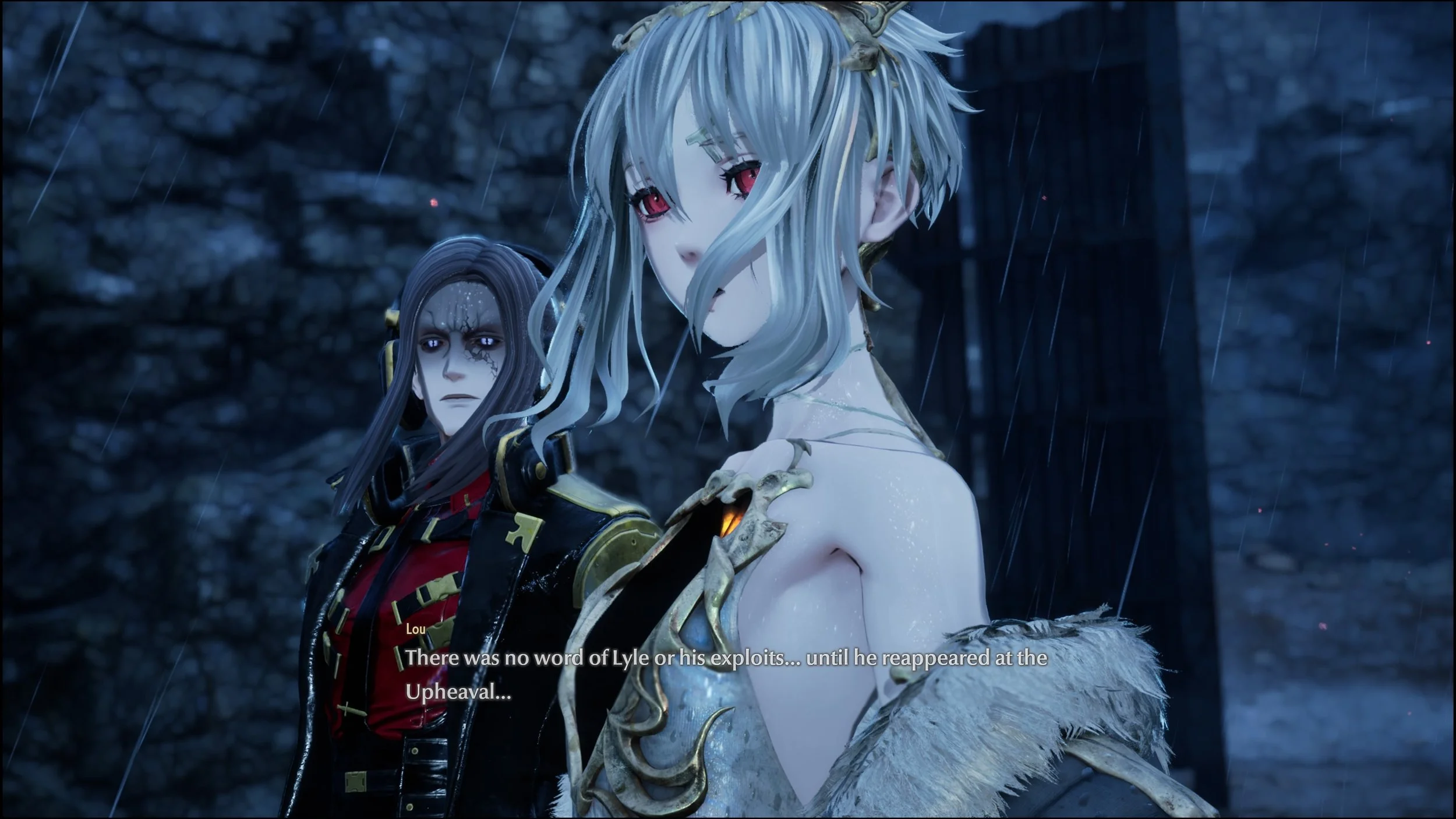
The first Code Vein was another soulslike that was able to find a solid following during the rise of soulslikes, in an era when developers pushed to deliver their own spin on the action RPG formula popularized by developer FromSoftware. The sequel, which bears no connection to the first game, creates a similar world and scales to a more open-world experience that continues to nail the difficult encounters, but fumbles the rest of the way.
In Code Vein 2, you play a Revenant Hunter revived by your companion Lou, and are tasked with saving the world by time-traveling to different pivotal moments in history to save humanity’s present. That alone should give you a clear idea of the convoluted story, as it took a while for me to grasp the whole ruined futuristic world, its unique terminology, the characters, and pretty much everything that makes this world unique.
Time-traveling duos and traumatic memory dumps
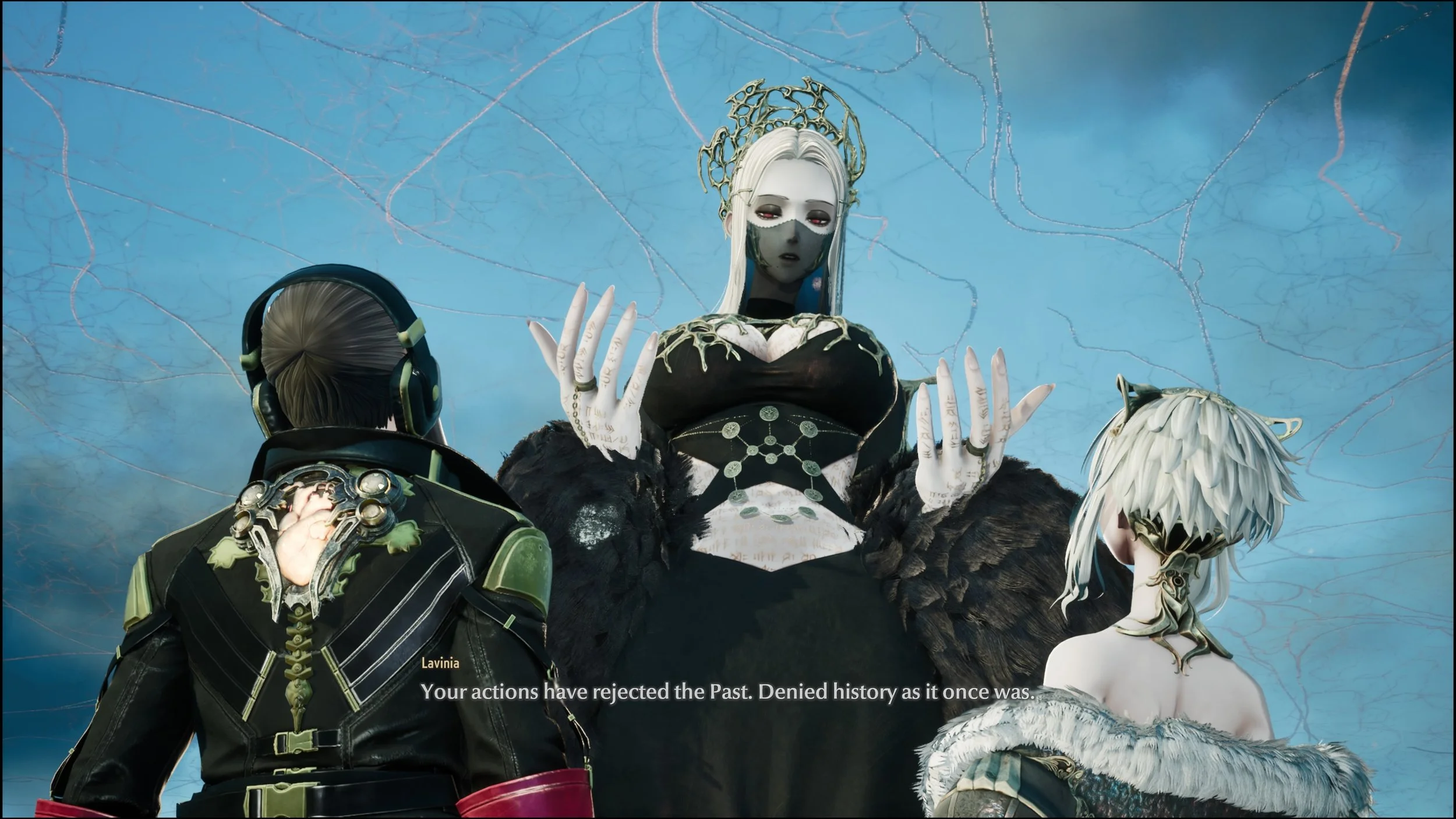
This game takes its time to allow players to learn of a major character’s backstory, as there are a handful of characters that play a pivotal role. This story’s told through cutscenes or narration as the player character explores others’ memories, as if you’re going through a museum, witnessing personal moments that usually show that particular character’s vulnerabilities. They’re embarrassed, but it’s a bonding moment as these deep-dives eventually lead to your silent protagonist having a close relationship with each of them.
These moments work, as it adds more weight to the bosses attached to these story beats. I would have appreciated them more if my character had reacted beyond just nodding his head at every conversation. It feels like towards the end of each character arc, you become the best of friends, which is hard to accept at times, considering it felt like the character liked me simply because I was a good listener.
The story is a crazy ride, but it’s fun going through it, thanks to the key characters. For instance, I liked Holly, as she’s upbeat and pretty bubbly at times, while Lyle, who has this “I work alone” stance, is as bland at first, but that facade quickly fades after a few fights with him. The best is the one you meet towards the end of the main story, a missed opportunity as he comes too late into the game to really shine, despite being the most charismatic one in the cast. He could have added a nice break from the bleakness and dread evoked by most of the game.
A game that tries hard to be unique
Code Vein 2 is an imbalance of complication in the first hours; you are slowly thrust into this world with tutorial pop-ups showing up every time you encounter something new. I appreciate the explanation, but they were never enough, because I had never fully grasped a concept from the first explanation, whether it was what Jails are, how Burden works in your character stat sheet, or even the difference between Revenants, and the creatures you fight against. There’s also the distinction between HP and LP gauges. There’s a lot to take in, as I had to absorb a lot to fully grasp the game’s many systems and implement them properly to increase my chances of success during difficult encounters.
Progression in Code Vein 2 isn’t like any other soulslike, as leveling up doesn’t give you points to allot to specific stats. Here, a level only increases stats like health and damage. Strength, Dexterity, Willpower, and others that dictate your character’s playstyle are determined through what they call a Blood Code. Think of it as a template for a specific playstyle. For example, the Blood Code from the character Lyle makes you lean more on Dexterity for damage scaling, and it also gives you passives such as increased damage when performing a perfect dodge.
You can’t alter this Blood Code. The most you can do is improve the stats you gain by using it, so it’s more of a mix-and-match to create that unique playstyle instead of committing to one for the rest of the game. In a way, progression and unlocks make things more appealing. An interesting or unique weapon found doesn’t ever need to be a dud, as you can swap your Blood Code if you want to try it out. This gives players more room for experimentation instead of feeling the pressure of messing up their stat allocation.
The freedom is appreciated, as I experienced different playstyles during my 35+ hour playthrough. The only real commitment is the materials needed to upgrade specific weapons and abilities, so Code Vein 2 does impose those limitations.
The combat we all know at this point
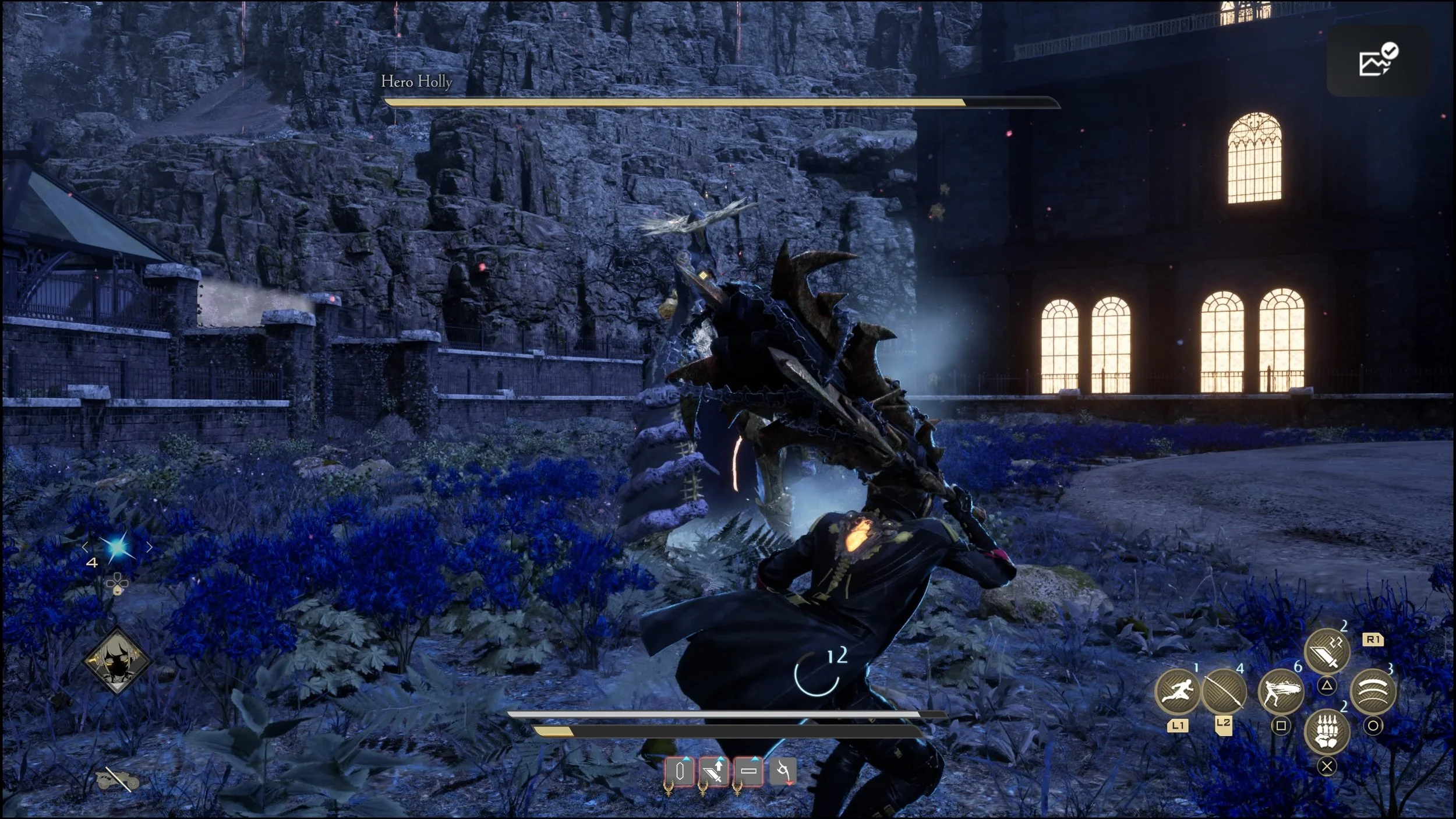
As for combat itself, what is there more to say when it comes to a soulslike? Mechanically, this is as identical as it can get to the games like Dark Souls. Every usage of your stamina matters, and every swing needs to be timed and calculated as games like this always punish you when your attacks don’t connect. This game is as punishing as the soulslike before it, with bosses that have unique attack patterns and small windows of opportunity. Enemies out in the world can kill you easily if you’re not lucky, and there are bosses that will take a couple of hours of your time to overcome.
But with how overly exposed the community is to this challenging formula, this ends up being actually one of the easiest games in the genre simply because, despite the difficulty, players have a lot of room for error in this one.
This is thanks to a revive system where your chosen partner revives you. When you die and are revived, your partner is removed from combat for a short time, including the buffs that came with having that particular partner active. During this time, you are vulnerable until the timer recharges and your partner returns to the fight. This revival can happen multiple times with diminishing returns, which to me, is a bit too much, as I wished they had the option to remove it for the sake of adding more challenge to the game. This, plus the fact that you can have a partner with you at all times, can make most fights easier than they should be. You can remove your partner for added buffs for added challenge, but the benefits are still there by default.
This didn’t make the game more appealing to me, but it did make the whole experience more accessible, which is contradictory, as the many systems, arcane terminology, and having a story revolving around time travel can spell the opposite to some players.
The futuristic world doomed to be destroyed
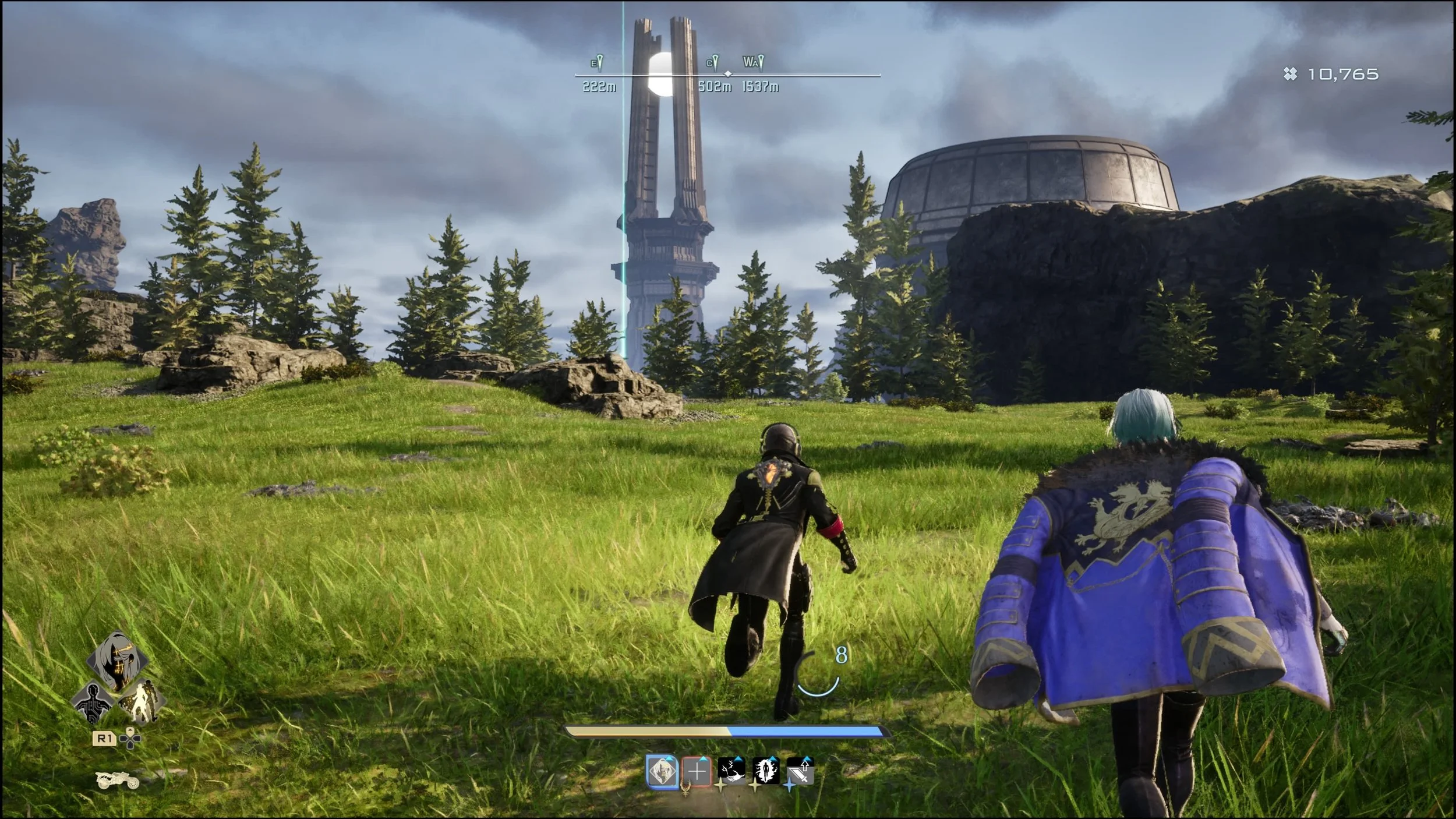
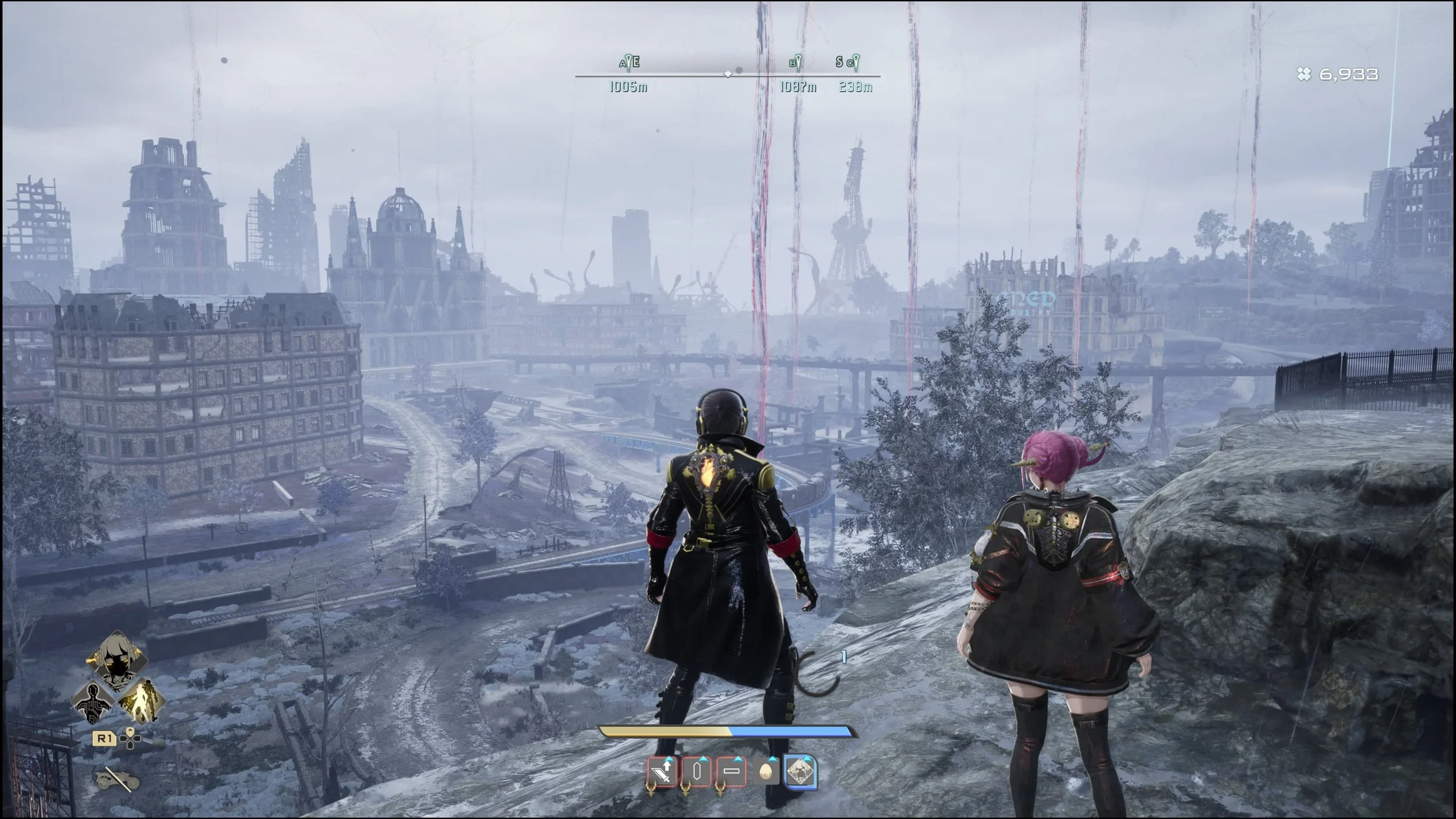
The world of Code Vein 2 is a post-apocalyptic future, as you explore a ruined urban city drowning in water to deep forests and underground tunnel networks. All are run down and express this form of dread, giving the feeling that the end is definitely around the corner. It’s dark, foggy, just dead inside, an intended choice considering the game’s tone and setting. But this resulted in the lack of curiosity from me as the player, as I never felt the urge to see what could be there.
This is when the game starts to slowly break. Recent open-world games pique your interest, as you see something out of the ordinary when starting at a vista, giving you a glimpse of the world. Elden Ring and The Legend of Zelda: Breath of the Wild do this so well, as staring at the view shows you possible points of interest that could lead to a side boss or unique treasure.
Code Vein 2 is missing this despite having a bigger playground, to the point that this time around you are given a motorcycle to easily travel from one point to another. If you do find a point of interest, it’s not as exciting as stumbling upon a new location that you didn’t know existed or a side boss that took hours to beat. It can be as simple as a series of items scattered around with enemies guarding it, or a dungeon with a mini-boss waiting at the end. I don’t feel the joy of being sidetracked in this world.
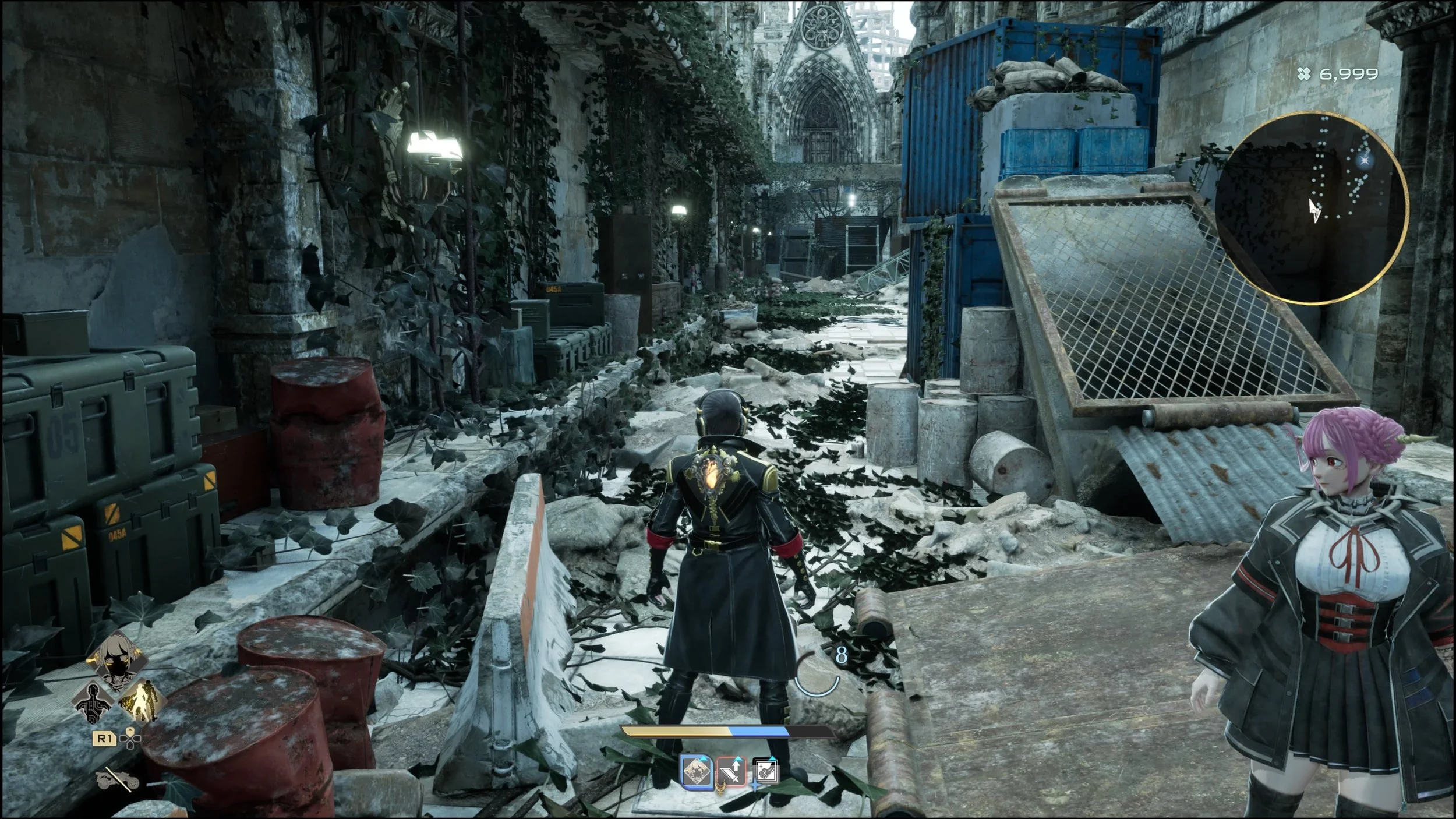
The world sadly didn’t look all that good too, thanks to uneven textures looking like an eyesore more than being a nice addition to give an area more depth. Yes, it’s a dark and damaged world, but I’ve experienced other games that were able to convey beauty in horror or dread. Here, most of the landscapes feel flat and, at times, outdated. Some objects sometimes feel randomly placed, as if they weren’t well-thought out. They don’t look visually striking enough to strike an emotion such as disgust or curiosity. Each major location is distinguishable from the others, but the overall vibe stayed consistent enough so as not to make me excited to go off the beaten path.
Performance is also a problem, as frame rates on the PS5 version of Code Vein 2 are all over the place. Entering new areas feels like the frames drop from 60 to 30 for a few seconds. These happen randomly and are a constant occurrence that’s tough to ignore. Thankfully, this never occurs on boss encounters.
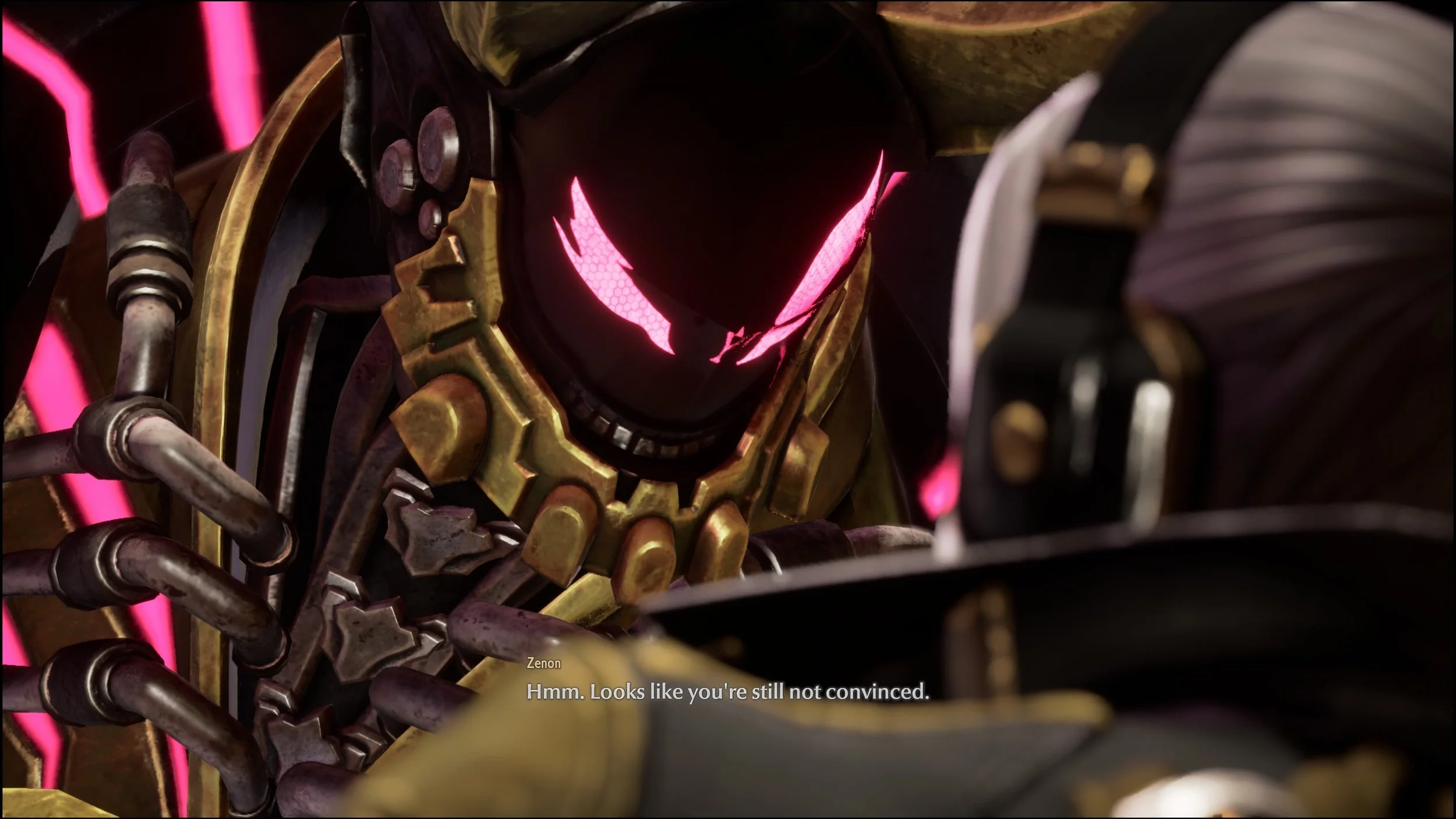
Code Vein 2 delivers serviceable soulslike combat and flexible builds, but its bloated systems, uninspired open world, and inconsistent performance keep it from standing out in an already crowded genre. It definitely has ambition, but many of its ideas feel more like background noise than meaningful twists, leaving the sequel competent but ultimately forgettable.
Verdict: 2.5 / 5 (Poor)
PROS
Flexible build experimentation
Challenging and interesting boss encounters
Likeable cast of characters
CONS
Uninspired open world design
Revive system weakens the challenge
Framerate issues
Flat and dated visuals
What I’ve Played
Got the first ending after 35 hours
Already did the requirements to achieve the second possible ending
Reached level 110
*This review is based on a PS5 review copy provided to the reviewer
About the Author - Carlos Hernandez
Carlos Hernandez is the founder and Editor-in-Chief of Too Much Gaming, where he writes about video games, reviews, and industry news. A lifelong gamer, he would do anything to experience Final Fantasy Tactics for the first time again and has a love/hate relationship with games that require hunting for new gear to improve your character.
StarFox brings the beloved N64 classic back on Nintendo Switch 2 with smoother 60fps gameplay, improved controls, new challenges, co-op, and a surprisingly excellent multiplayer mode.