
Destiny 2 Closing is Real, and it’s More Painful Than I Thought
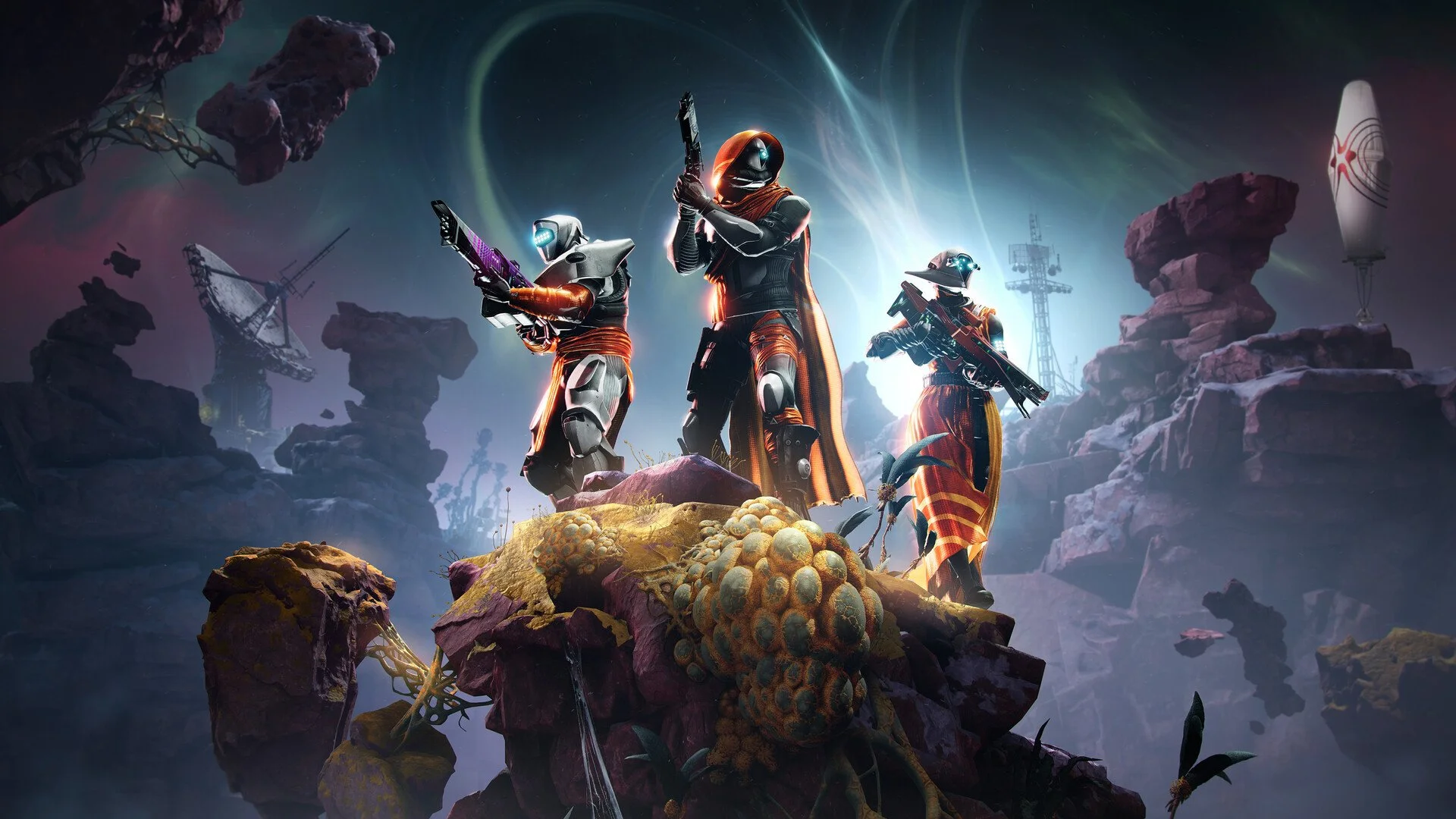
As the first weekend since the announcement that Destiny 2 is ending its live service went by, a lot has been said online. The community is loud. Grief, anger, pretty much all the emotions are coming out, and it's clear that despite the low player count in recent months, the Destiny community is alive and watching. I too took some time to just absorb this news, and it's still hard to accept that no new content is coming to a game I've played on and off since 2014. Bungie did create something special, and it has become part of many people's lives.
The final update is coming on June 9, 2026. After that, it's pretty much maintenance mode with no content planned for its future. Where does the community go from here? Naturally, they are looking for answers, hope, anything at this point. A petition has been made to encourage Sony to greenlight a Destiny 3, as it's reported that there is currently no follow-up in development. This petition has over 250K signatures as of this writing. You can sign the petition yourself here.
Will it nudge Bungie leadership and Sony executives? Probably not, but it's still ammunition for the developers currently going through meetings, pitching projects, simply trying to survive a significant wave of layoffs coming towards Bungie in the near future.
But how did a beloved video game like Destiny 2 reach this point? A large community that has spent countless hours on raids, PvP, and other activities with friends and family. I was thinking about this a lot during the weekend, and it all boils down to one single entity: Bungie.
Bungie is the real Destiny killer
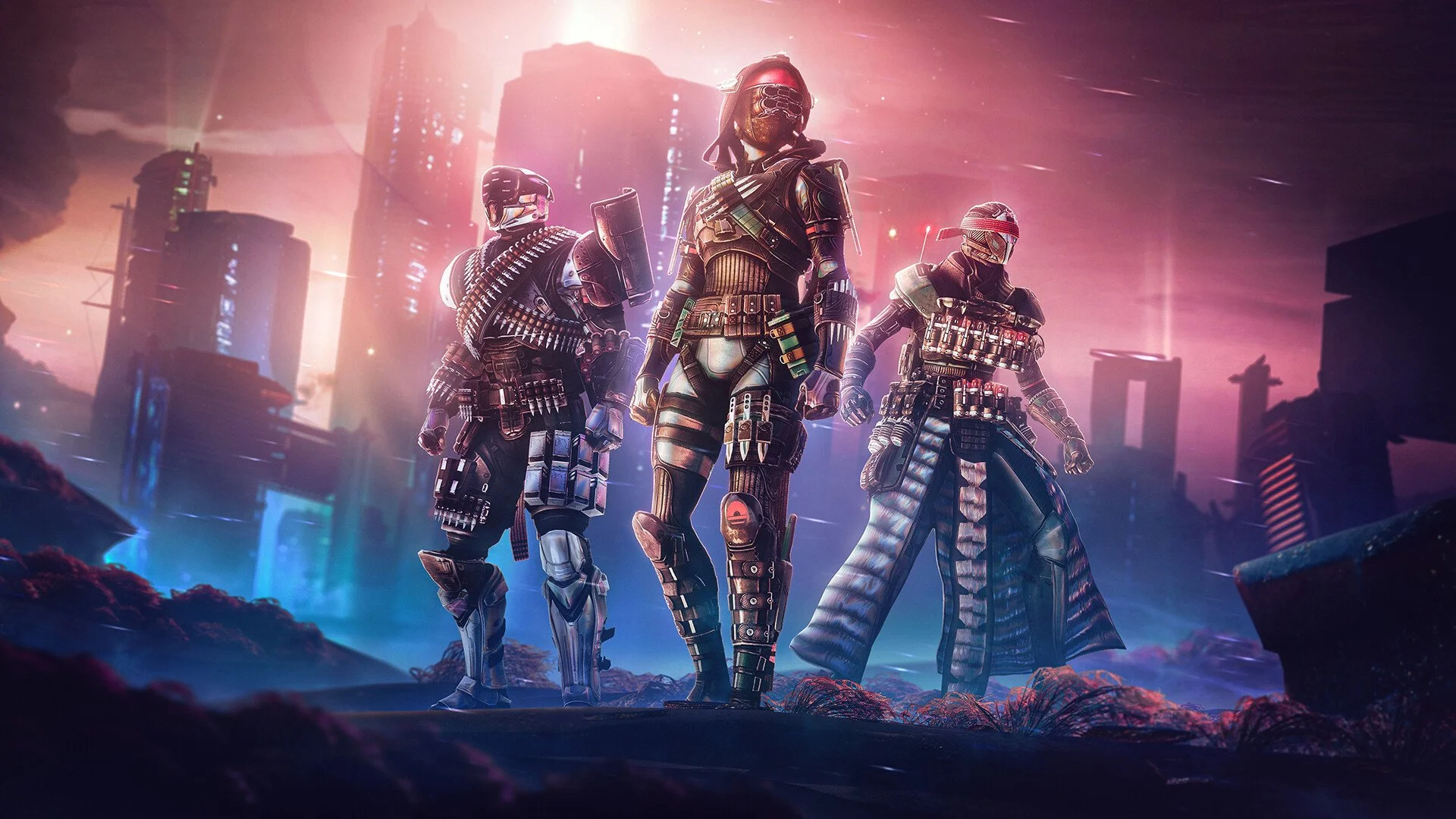
In 2022, Bungie released The Witch Queen, one of the best expansions ever released for Destiny 2, as many mark it as the game's peak in terms of content and storytelling. That resulted in the game hitting a 290K concurrent player peak on Steam at launch. It was a massive success for Bungie, a strong showing for a company that had just been acquired by Sony for $3.6 billion.
But then the Lightfall expansion happened. In 2023, they didn't recreate a similar success despite hitting a new Steam peak of over 300K players at launch. People were excited, and that was thanks to what they had experienced in The Witch Queen. Simply put, Lightfall is one of the worst expansions ever released for the game, and the follow-up seasons only soured the overall feel for many. Excitement for 2024's expansion remained, though, as The Final Shape was set to conclude the franchise's overall narrative.
Then the first major wave of layoffs hit. In October 2023, the company cut roughly 100 employees, and reports confirmed that Destiny 2 revenue was down 45% below projections, which all traced back to Lightfall's poor performance and reception.
At the same time, Bungie's ambitions in the wake of The Witch Queen's success had been running well ahead of its results. Now acquired by Sony and coming off a genuine creative high, the studio had expanded aggressively and ramped up development on Marathon, wanting to become a multi-game studio capable of running two live-service titles simultaneously. Lightfall's failure made the scale of that bet very expensive, and the delay of The Final Shape from February 27, 2024 to June 4, 2024 to make it the best it could possible be was also costly.
Excitement for the next expansion remained, though. The Final Shape was set to conclude the franchise's decade-long narrative, and it delivered, drawing a new concurrent player count peak and earning the kind of critical reception that reminded people what Destiny 2 was capable of. But it came too late to reverse the structural damage already done. The studio was overstaffed, the revenue gap left by Lightfall had never fully closed, and The Final Shape's success, as amazing as it was, couldn't justify what Bungie now cost Sony to operate.
It's a story of mismanagement and overly ambitious decisions. During their biggest success, they aimed even higher, and when they missed, they've been playing catch-up ever since, with Sony increasingly watching from the background, scrutinizing an acquisition that struggled to justify its price. On May 8, 2026, Sony announced a $766M impairment loss against Bungie, a clear acknowledgment that the studio was nowhere near as valuable as the $3.6 billion paid for it.
Post Final Shape
Bungie soon released two smaller expansions: The Edge of Fate and the Star Wars-inspired Renegades. This is the game’s first wave of content meant to begin a new saga for the game. That didn't go well. The Edge of Fate drew a mild turnout, and Renegades was worse. Neither came close to the numbers seen at Lightfall or The Final Shape.
It was clear to me that many players had checked out, and I was one of them. The Final Shape had felt like the perfect send-off. My journey with the game felt genuinely complete. Despite its fumbles over the years, I had enjoyed my time with Destiny 2 and decided to move on. My Guardian was at peace. I told myself that if new content could pull me back, so be it.
It never did. Not even Renegades, which added lightsabers to the game.
Then Bungie announced in February 2026 that they would be delaying the next major Destiny 2 update by over three months, creating the longest content drought the game had ever experienced. Many speculated the studio was buying time for a bigger reveal, with Marathon also releasing around the same window. In the end, it was the worst possible reason. It was all coming to an end.
Marathon is the punching bag
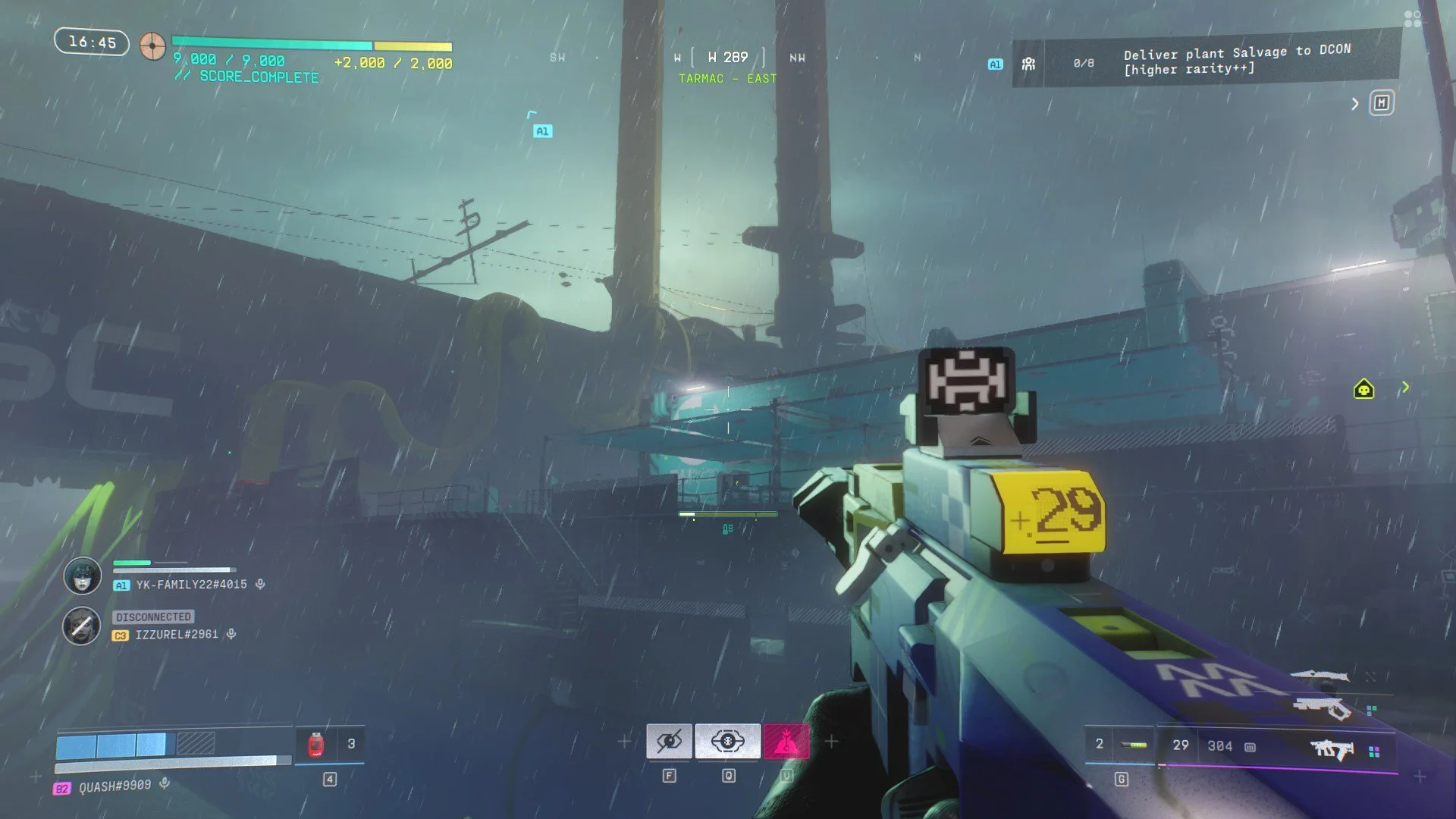
With Destiny 2 now getting shelved, their only active title is Marathon.
I enjoy Marathon, but I gave it a 3.5/5 because there are issues and it’s not a product I will happily recommend to a regular player. It’s a brutal game. An intimidating one, and it requires a lot of patience from a player to show its good side.
I had high hopes for the game as it slowly gets supported, but I never imagined it being the breadwinner of a studio with over 500 employees. A risky venture like Marathon felt manageable with Destiny 2 doing the heavy lifting, as it should be, Bungie is, at its core, a Destiny studio. But without Destiny content being created, confidence in the extraction shooter has gone out the window.
I still think they can produce content compelling enough to bring players back, and Season 2 launches on June 2, but it will not be the next Destiny 2 in the short term, or even an Arc Raiders. Without Destiny 2, it's hard to picture Marathon still standing by the end of this year.
The Marathon baggage
Marathon carries a lot of baggage. Its art style and atmosphere were intriguing at reveal, but many players were turned off once the extraction shooter genre was confirmed, a niche subgenre that is slowly getting crowded. The biggest early blow was Bungie allowing content creators to show alpha footage that looked nowhere near finished: environments appearing like placeholders, assets rendering raw, far removed from what the game eventually became.
The backlash led to the game's first delay and a prolonged radio silence from the team. Then came the art plagiarism controversy last year, another credibility hit the game didn't need. The surprise here was that the community wasn’t shocked that the studio did this, the reception felt like it’s expected for them to drop the ball in this manner, a clear showing that player’s trust is severely damaged.
For added weight, Marathon became the next target of a vocal contingent with deep hostility toward Sony's live-service ambitions, being lumped in alongside Concord's abysmal launch, which peaked at only 667 concurrent players on Steam. Highguard, a free-to-play 3v3 online shooter by Wildlight Entertainment, shut down just 45 days after release, so that didn’t help the ongoing narrative either. Pile on top of that the frustrations of Destiny 2 players already primed to distrust Bungie, and you have a significant portion of the potential audience arriving with a bad impression before the game even launched.
That's a lot of pressure and noise for the Marathon team. It will be surprising if things actually turn around for them in the near future, but it's hard to picture that happening without Destiny 2 carrying most of the weight. In the weeks leading up to Destiny 2's final update and beyond, the extraction shooter will be the only clear outlet for disgruntled players.
The best scenario for Bungie
The next question is what the best scenario looks like for both games. For Marathon, it's straightforward: future content that actually attracts players who like extraction shooters and builds a reasonable base to support future seasons.
Destiny 2? Despite the clear community interest, a Destiny 3 feels like a long shot. That project would require another surge of hiring, and with Destiny 2's development wrapping up amid clear preparations for a major studio downsize, that timeline doesn't line up. A remastered Destiny 1 seems more achievable, letting players experience the full arc of the franchise, either on console or PC (the original game never released on PC), while restoring Destiny 2's base campaign, which was removed from the game in a decision that still stings whenever it comes up.
These are long shots, but they're the only ones that make sense given the circumstances. The realistic scenario is that Bungie gets any Destiny-adjacent project greenlit, even if it's not a sequel. Something smaller. Something that can pay the bills while Marathon finds any footing, because a Bungie with no Destiny in the pipeline at all is genuinely hard to picture surviving intact.
I don't know what the future holds for the franchise, but this series deserved better. It's still shocking to know that Destiny 2 will never be part of my regular rotation again. I had fond memories playing this looter shooter. I've been challenged, and I've even made great friends through this game. Hopefully the Destiny community gets some good news soon as it's been long overdue. All I can think of right now, after finishing this piece, is securing the week of June 9. I'll be playing as much as I can, and I expect the majority of its fanbase is ready to do the same.
About the Author - Carlos Hernandez
Carlos Hernandez is the founder and Editor-in-Chief of Too Much Gaming, where he writes about video games, reviews, and industry news. A lifelong gamer, he would do anything to experience Final Fantasy Tactics for the first time again and has a love/hate relationship with games that require hunting for new gear to improve your character.
The amount of effort seen here gives me hope for Capcom’s future attempts at reviving classic titles, as Onimusha: Way of the Sword, the latest title of the once dormant classic franchise, comes back in the best way possible as it very well might be my game of the year contender.